
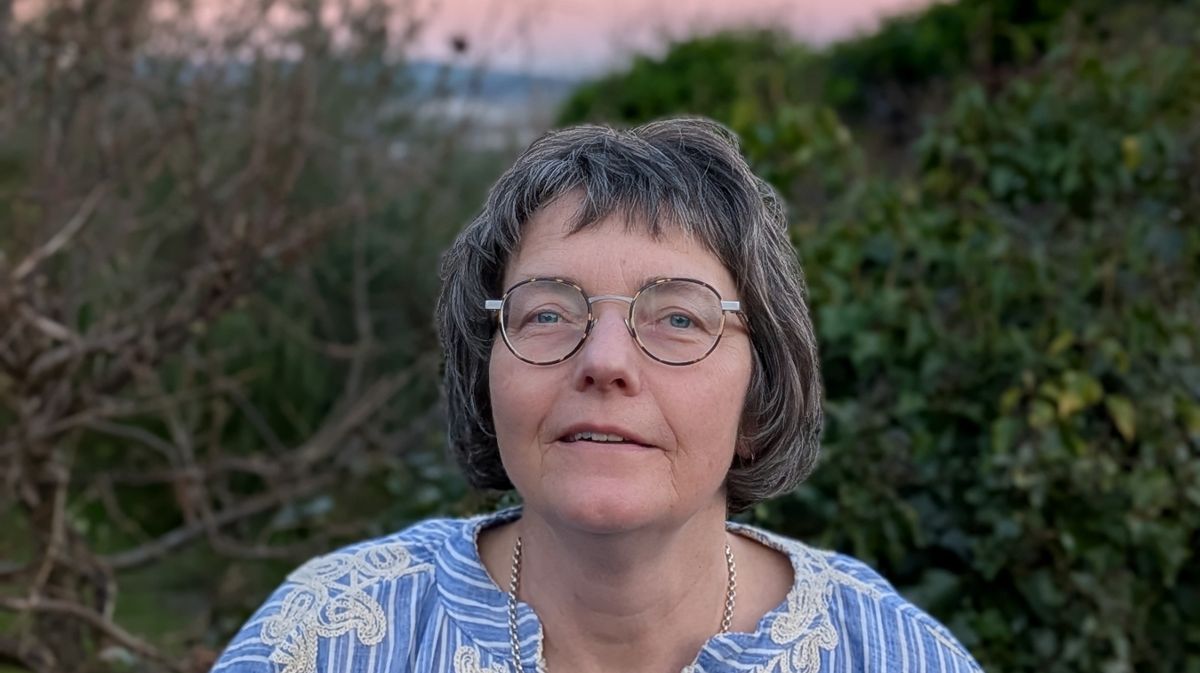
She said she was attacked by someone who didn’t think she should use her Blue Badge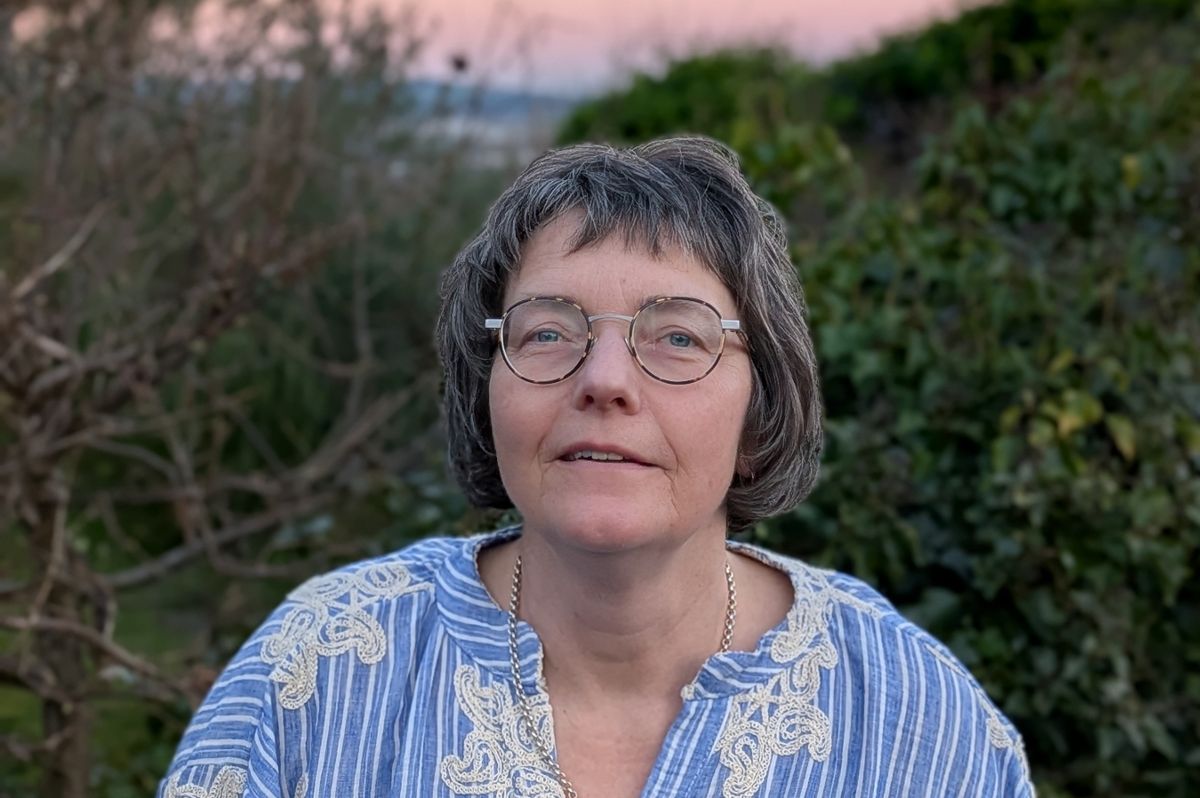
Antje Ronneberger who has MS claims she has been ‘spat at’ for using a Blue Badge(Image: MS Society)
A woman from Devon who has multiple sclerosis (MS) claims she has been “spat at” for using her Blue Badge.
Antje Ronneberger, who lives near Bovey Tracey, was diagnosed with relapsing MS in 2019.
The 57-year-old former GP told the BBC she was “spat at” by a person using a wheelchair because they didn’t think she should use her Blue Badge.
Antje claims she was “shouted at” when she got out of her car with her walking stick, after parking in an accessible space outside of a department store, which was 60ft away.
“Eventually, he spat at me when I answered back,” she told the BBC.
Antje said she could only walk up to 300ft without her stick and that it took her a “long time” to get over the incident.

Antje Ronneberger(Image: MS Society)
Figures released from eight MS charities in MS Awareness Week suggest Antje’s experience is not uncommon.
MS Society, MS Together, MS Trust, MS-UK, Overcoming MS, the Neuro Therapy Network, Shift.ms and Talks with MS said they asked more than 1,600 people living with MS in the UK about the impact of public misconceptions.
Almost half of those surveyed said they had been questioned about using accessible facilities, while more than half admitted avoiding them altogether because they feared being judged. One in four also said that the same fear had stopped them from leaving the house.
Nick Moberly, Chief Executive of MS Society, said: “These findings are hard to read, and are a reminder to the public that not all disabilities are visible.
“MS can be debilitating, exhausting and unpredictable but we also see such amazing resilience and strength in our community.
“We encourage everyone to take some time this week to listen, learn, and understand MS before saying something that could hurt or offend.
“No one with MS should be challenged or questioned about their condition.”
Alexandra Holden, Chief Executive of Overcoming MS, also said: “No one should feel they need to ‘prove’ their condition to access support.
“Many people with MS experience invisible symptoms like fatigue, pain and balance issues, which can lead to unfair judgment.
“Greater understanding and compassion would make a real difference, so people living with MS can live without fear of harassment.”