
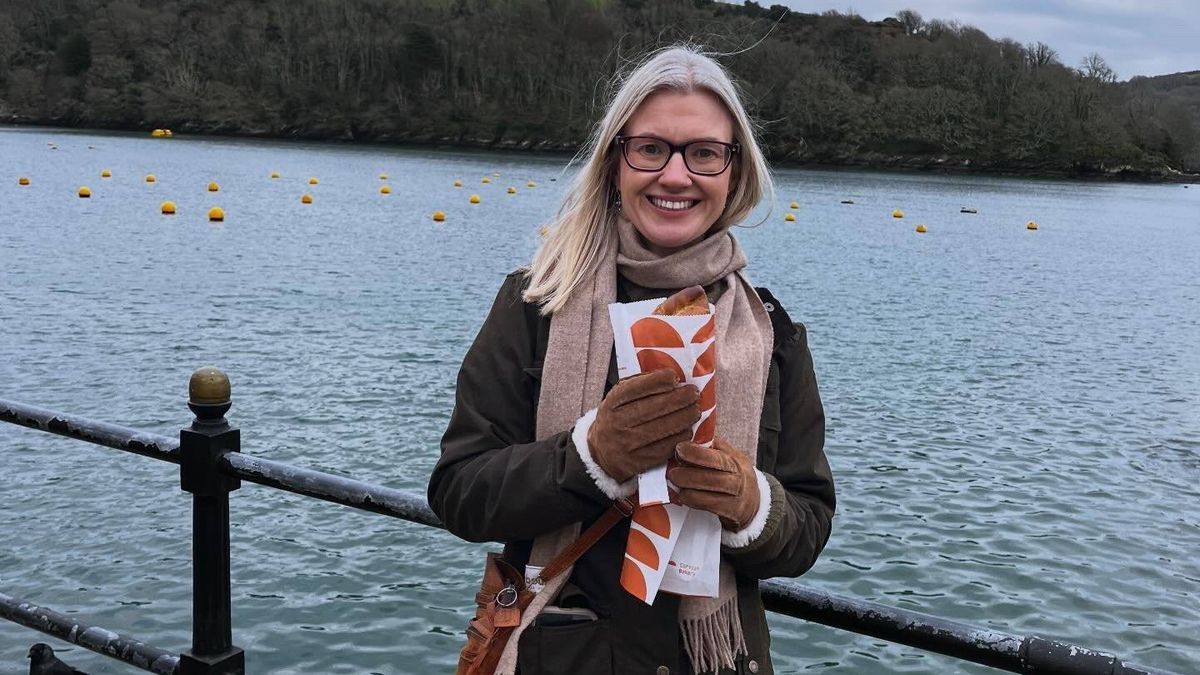
Laura Rowley, 43, said she knew as soon as she looked at the doctors
08:33, 28 Apr 2026Updated 10:14, 28 Apr 2026
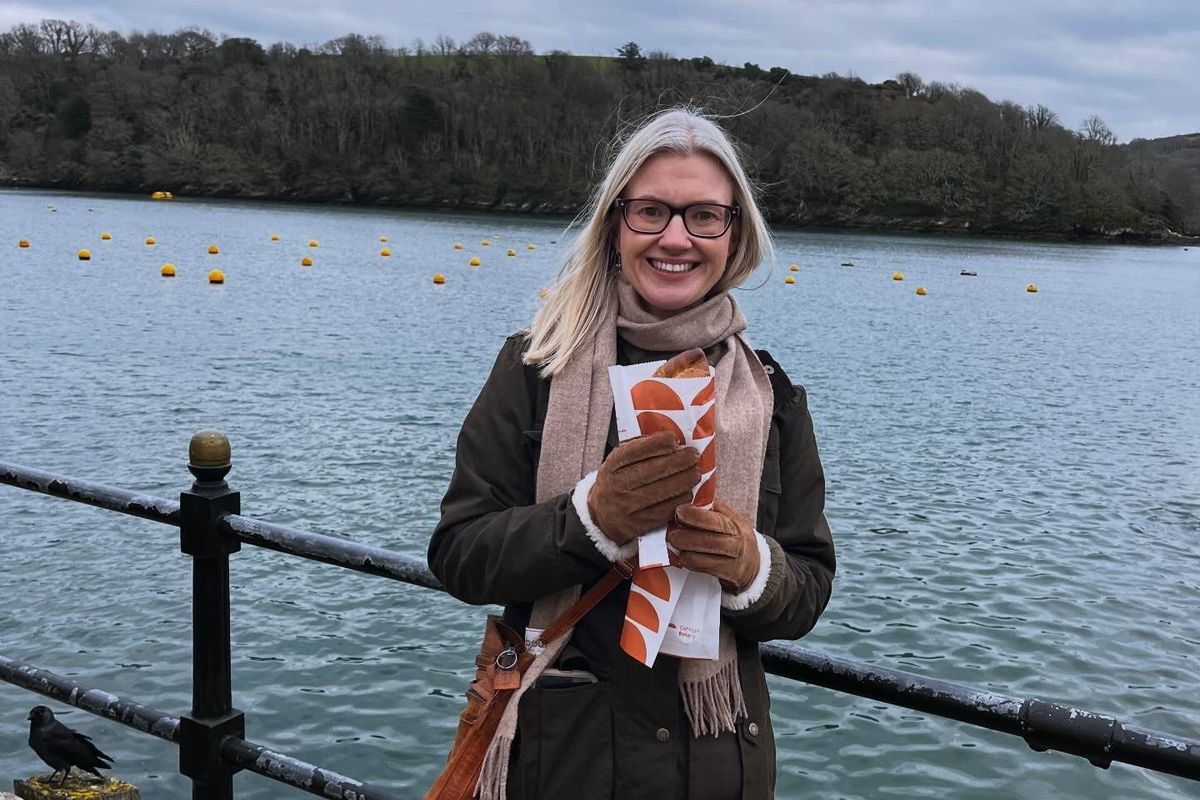
Laura Rowley(Image: Laura Rowley/SWNS)
A woman who was ‘lactating’ despite not being pregnant said she knew what was causing it as soon as she looked at the doctors who examined her. Laura Rowley, 43, started experiencing fluid discharge from the nipple on her right breast.
The step-mum-of-two was prescribed medication to balance her hormones, but the discharge persisted – and she then began noticing ‘dimpling’ on that breast as well. She was ultimately referred to a breast unit and said the instant she removed her bra, the doctors’ expressions revealed everything she needed to know.
Medics discovered Laura, from South Brent, Devon, had a tumour, which was biopsied and confirmed as breast cancer. She underwent a mammoplasty to excise the cancerous tissue and a reconstruction in a single three-hour operation, with six lymph nodes also removed. Following 10 sessions of radiotherapy and an additional five booster sessions, Laura is recovering and hopes to return to work soon.
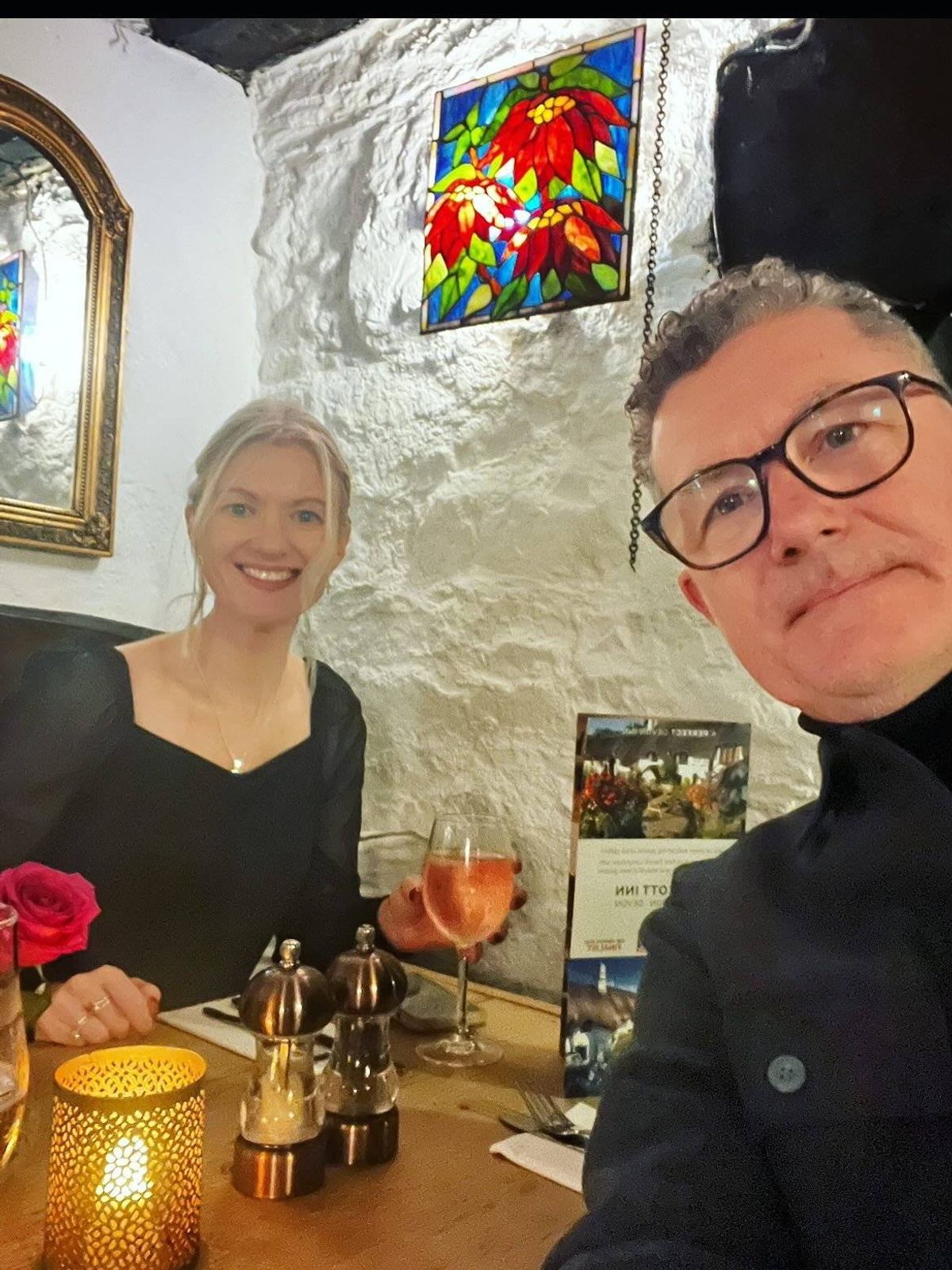
Laura and her husband Jamie(Image: Laura Rowley/SWNS)
Laura, an apprenticeships business development officer, said: “When I started having lactation, I was embarrassed – it’s not really what you expect. I was put on hormone medication, but it made me feel awful – and I was still lactating.
“They asked me to come in the next day and the GP found a lump as soon as they checked my breast. The breast unit said it must have been there some time by the size of the tumour.
“My surgery was an invasive surgery with a big incision – I was sore when I woke up – but my tests all came back clear after that. I want people to be aware that lactation can be a symptom – it’s not always ‘just a lump’.”
Laura first noticed her nipple lactating in mid-2025 and visited her GP about the issue. However, it was dismissed as elevated prolactin levels — a hormone produced by the pituitary gland that regulates lactation and breast tissue development.
She was subsequently referred to an endocrinologist and given medication to manage her hormone levels. But after a fortnight, the medication left her feeling poorly and did nothing to stop the lactation, prompting her to return to her GP in September 2025.
During a breast examination, her GP identified a lump and referred her to the Primrose Breast Care Centre at Derriford Hospital in Plymouth.
Laura said: “I could see by everyone’s face as soon as I removed my bra that they knew what it was. The doctor said there was a 99% chance it was cancer, but I held onto that 1% chance it wasn’t. But when the biopsy came back, they revealed I had Grade 2 HER2-negative breast cancer.”
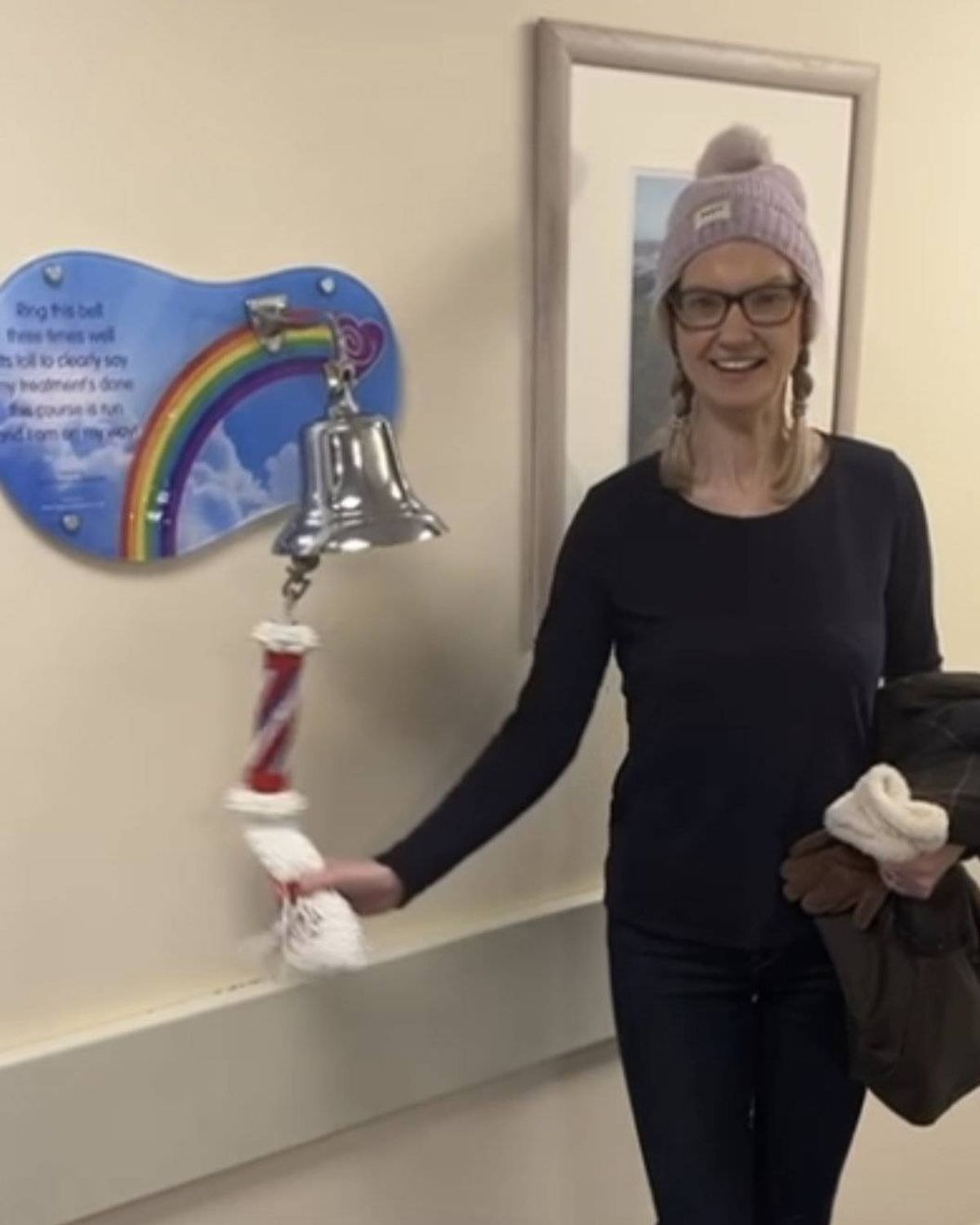
Laura Rowley ringing the end-of-treatment bell(Image: Laura Rowley/SWNS)
On November 6, 2025, Laura underwent surgery at Derriford Hospital and was discharged home the same day to recover with a strong prescription of painkillers. This was followed by radiotherapy treatment in January, alongside vitamin B12 injections to address low levels and combat her exhaustion. She was also prescribed tamoxifen, a hormone therapy medication which blocks oestrogen’s effects, as this was stimulating Laura’s tumour growth.
Laura said: “Basically, the oestrogen was feeding the cancer. As a result of the hormone blockers I had to take, I was pushed into early menopause. That has come with hot flushes, fatigue and brain fog to the max.”
Laura and husband Jamie, 54, had no intentions of having their own children and Laura is content as a proud stepmother to his two children from a previous relationship. Jamie also battled kidney cancer in 2009, so he has supported Laura throughout her journey thanks to his own first-hand experience. Laura now wishes to raise awareness to remind people that breast cancer symptoms can manifest in different ways beyond simply discovering a lump, as she experienced lactation and ‘dimpling’ before a lump emerged.
She said: “If you’re not sure, speak up, talk to close friends, family, anyone – don’t just stay quiet and hide behind closed doors. Symptoms can be unusual, but you should still make a call to the doctor and get checked. It’s so important.
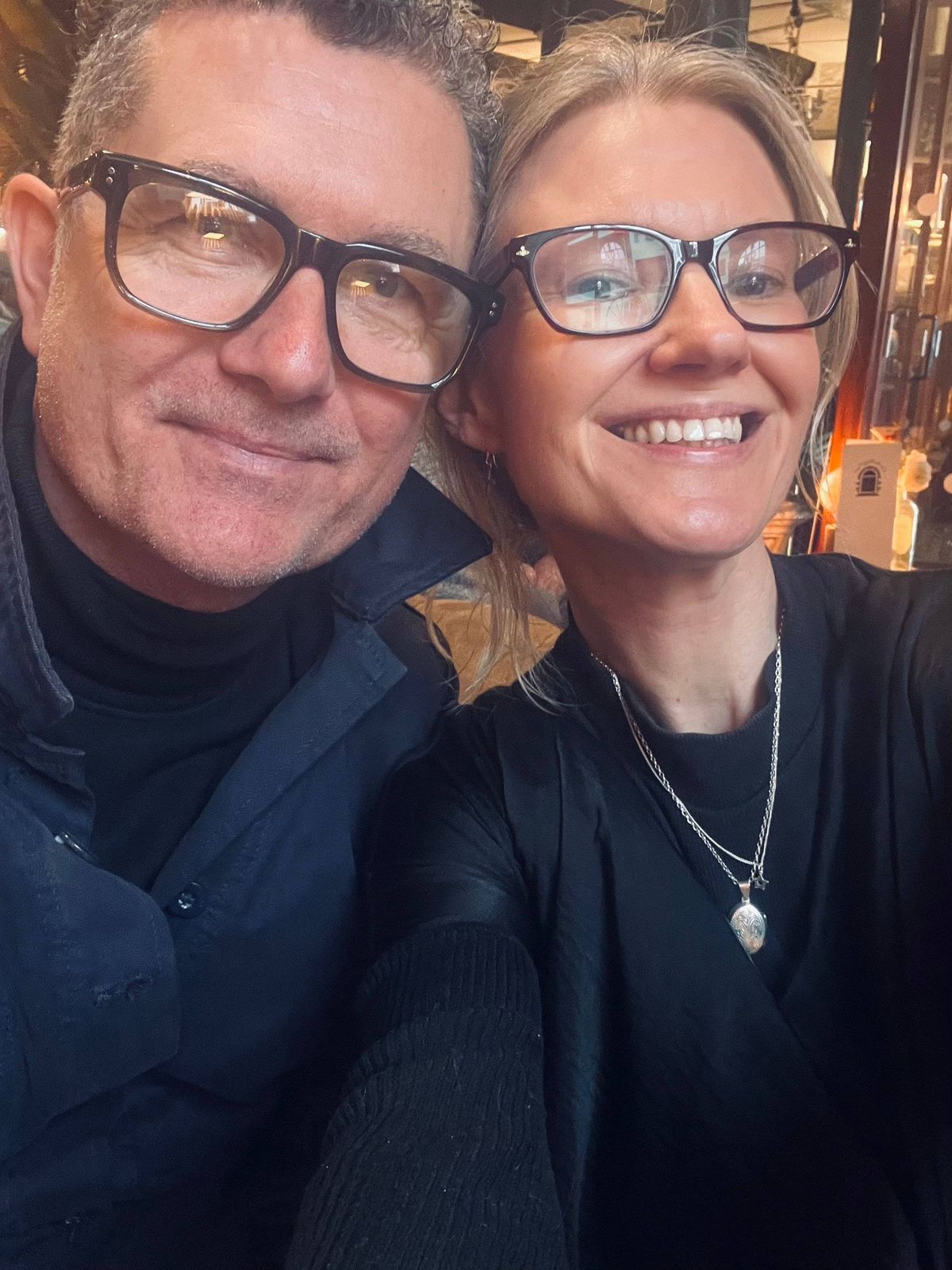
Laura and her husband Jamie(Image: Laura Rowley/SWNS)
“I’m a very positive thinker and people say I’ve dealt with it well, although of course there have been moments where I cried to my husband. I just feel relieved to get to the bottom of it and I feel grateful that we caught it in time.”
Manveet Basra, associate director of public health, inclusion and awareness at Breast Cancer Now, stressed the importance of making breast checking a regular habit to help identify any new or unusual changes and having them assessed by a GP.
Manveet said: “Laura’s story is an important reminder to be aware of any changes to your breasts and to always get these checked out by a GP. Many women know that a lump can be a possible symptom of breast cancer, but some other signs of the disease to look for also include nipple discharge, dimpling or puckering of the skin of the breast, or changes in size or shape of the breast.
“Signs and symptoms may appear differently on different skin tones. At Breast Cancer Now, we say checking your breasts is as easy as TLC. Touch your breasts; can you feel anything new or unusual? Look for changes; does anything look different to you? And finally, check any new or unusual changes with a GP.”