

“My Dad was 48 when he died from bowel cancer, the same age that I am now, so I’d always been vigilant about my health”
18:49, 28 Apr 2026Updated 18:57, 28 Apr 2026
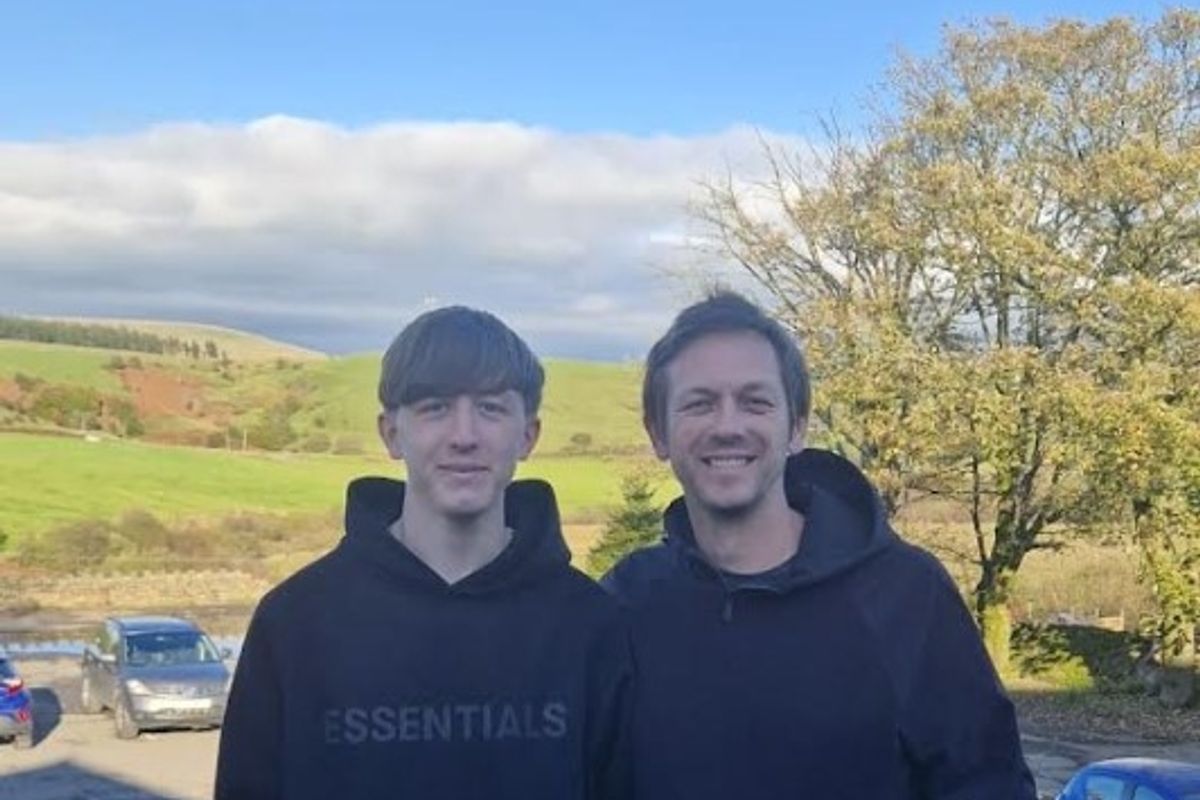
Nick Cleworth and his son (Image: Christie Hospital )
A man from Swinton has praised a clinical trial at the Christie Hospital which treated his bowel cancer without the need for life-changing surgery.
48-year-old Nick Cleworth, a train driver and dad-of-one, first went to his GP in late 2024 after noticing blood in his stool. A colonoscopy, CT scan and MRI scan revealed a 4cm tumour in his rectum, around the size of a golf ball.
“My Dad was 48 when he died from bowel cancer, the same age that I am now, so I’d always been vigilant about my health,” Nick said.
Click here to get the biggest stories straight to your inbox in our Daily Newsletter
“But even though it was something that I knew might happen, the diagnosis still hit me extra hard. I couldn’t help but think about my dad and what he went through. It was a really difficult time.”
Currently, many people with rectal cancer require surgery, sometimes with radiotherapy or chemotherapy to shrink the tumour beforehand. A surgeon told Nick that ‘due to the size and position’ of the tumour, the operation would require him to have a permanent colostomy bag.
As Nick’s cancer had spread to some nearby lymph nodes, he was referred to The Christie for radiotherapy. It was there that he met his consultant, Dr Claire Arthur, who told him that he might be eligible for a trial that could avoid the need for surgery altogether.
The ARTEMIS trial is a phase II clinical trial that is investigating whether adding a brand-new investigational immunotherapy drug called palupiprant (previously known as AN0025) to standard treatments can successfully treat rectal cancer and avoid surgery altogether.
An earlier phase 1b study of palupiprant showed that this immunotherapy was well tolerated and 36% of participants were cancer free following six months of treatment.
Palupiprant is thought to work by stimulating the body’s own immune response against the cancer, helping destroy cancer cells alongside the radiotherapy and chemotherapy treatments.
Half of the patients were randomised to receive the additional immunotherapy drug alongside standard chemotherapy and radiotherapy, allowing researchers to compare outcomes clearly and ensure any benefits outweigh any additional risks of palupiprant.
Nick said he felt ‘much more positive’ after hearing about the trial. “I left feeling like we had a plan and, more importantly, I felt hopeful for the first time since my diagnosis,” he said. “Everyone at The Christie was brilliant, I can’t thank them enough.”
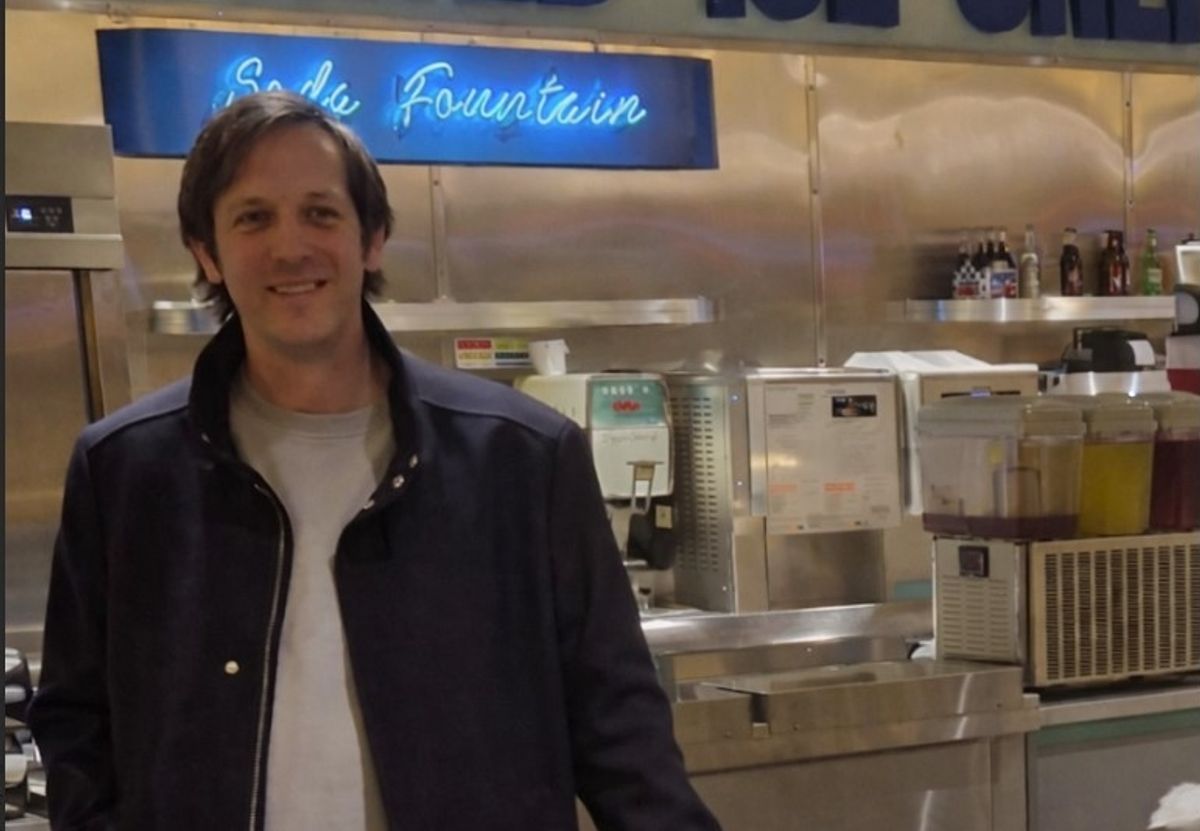
Nick is now cancer-free and ‘living life to the full’ (Image: Christie Hospital )
Nick started immunotherapy and chemotherapy tablets in February 2025, followed by five weeks of radiotherapy. He then had a further 12 weeks of intravenous chemotherapy.
A scan in July showed he was cancer-free, and he has stayed that way ever since. Nick said he would recommend a clinical trial ‘to anyone’.
“Because of my family history, I had some preconceptions about what cancer treatment would be like,” he said. “You are well looked after, and you could be making life better for other people like you in the future.”
“I know there’s a chance that my cancer could come back, but I’m just taking each day as it comes. I’ve got three holidays planned for this year and am living life to the full.
“Thanks to the trial, I didn’t have to have surgery, which meant I could get back to doing the things I love – like restoring classic cars – much more quickly. I’m so grateful for that.”
Nick’s consultant clinical oncologist Dr Claire Arthur called the ARTEMIS trial a ‘great example’ of an effective treatment that also ensures quality of life for patients.
“It’s great to see that Nick has had such a good response to the trial treatment and that he tolerated treatment well,” she said.
“Immunotherapy has only been around for a relatively short time, but it is an exciting development. As it harnesses the body’s immune system to fight the cancer, it generally comes with different side effects than traditional chemotherapy, and we’re continuing to learn about this.
“Although ARTEMIS is still in its early stages, a smaller study involving palupiprant had previously showed some promising results. By involving more patients, we hope to be able to validate those findings and hopefully change the way rectal cancer is treated on the NHS.”
Patients and GPs interested in learning more about the trial are encouraged to contact The Christie or speak with their oncology team.
Not all patients will fit the criteria for a specific trial. While clinical trials can be successful for some patients, outcomes can vary from case to case. More information about taking part in clinical trials can be found here.