
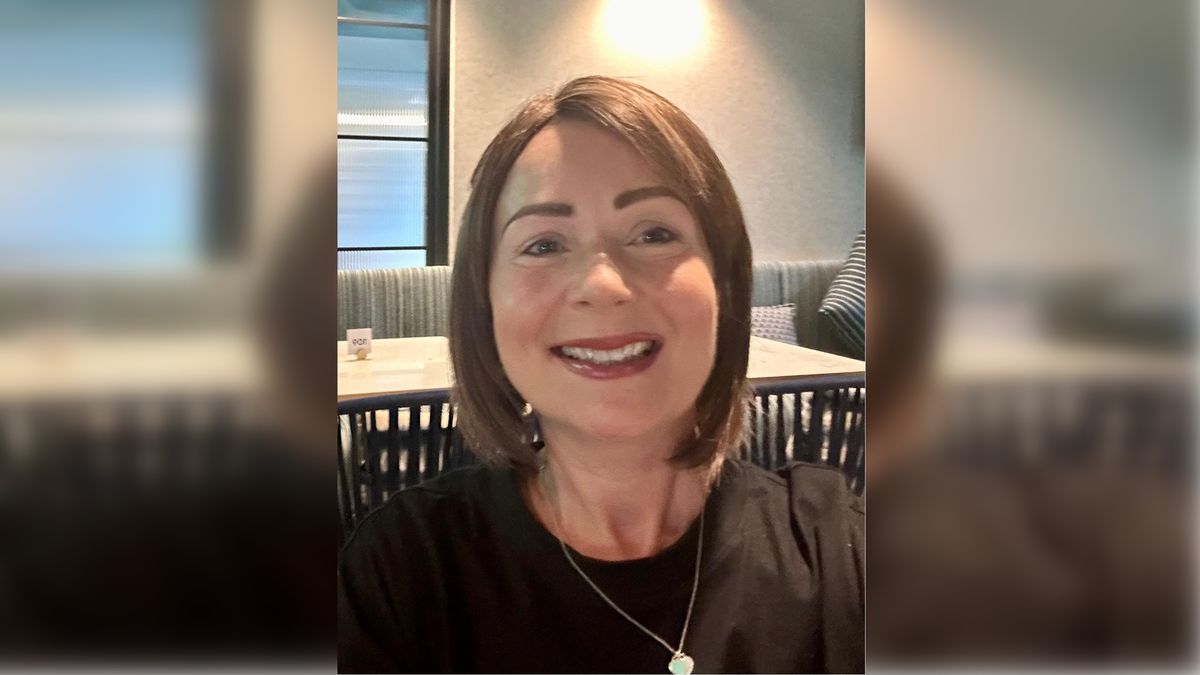
The mum-of-two has now become the first patient in the UK to join a pioneering new study at The Clatterbridge Cancer Centre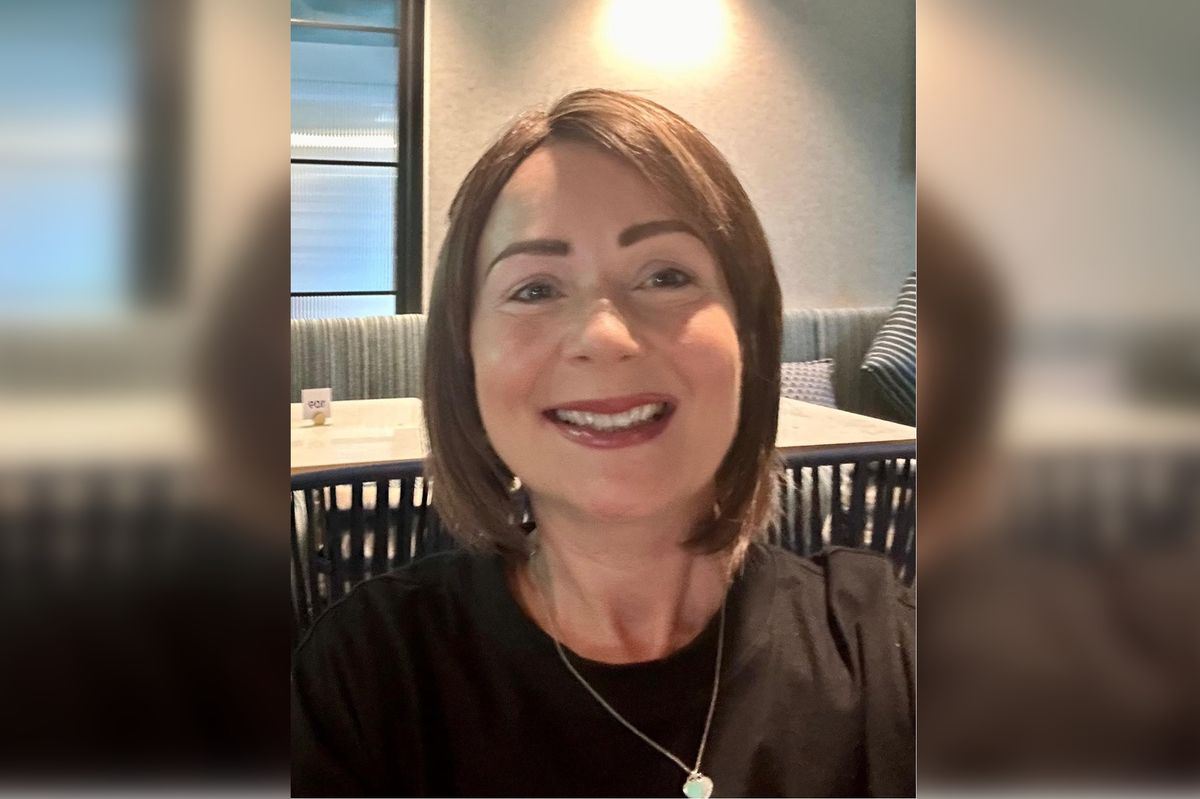
Rachel Hines, 47, from Ormskirk(Image: UGC)
A mum-of-two who thought she was in good health was shocked to discover she had an aggressive form of breast cancer that had already spread through her body. Rachel Hines, 47, from Ormskirk, said she had “no symptoms at all really” before discovering a lump in her breast in June 2024.
Rachel, who works full-time for Lancashire Police, was leading a busy life with her husband, two teenage children and their family dog when she noticed something wasn’t quite right.
She said: “I always got some breast pain around my monthly cycle but it was much worse than normal. I said to my husband, ‘Gosh, the pain really is quite bad today’. Something told me to check my breast and I felt a lump.”
Tests later confirmed she had HER2-positive breast cancer, a fast-growing type of the disease. Initially, it appeared to have been caught early, but just six weeks later, Rachel was given devastating news.
Despite the tumour being relatively small and her lymph nodes clear, scans revealed the cancer had already spread to her liver and bones.
She said: “It was quite a shock to find out that my disease had already spread so significantly throughout my body without major symptoms.”
Rachel underwent chemotherapy every three weeks and said her family made a conscious effort to create positive moments in between treatment.
“We would go away to a lodge in Northumbria, for example, and bring the dog,” she said.
After finishing chemotherapy earlier this year, she moved onto ongoing treatment and said she had “turned a corner”.
“You realise that you’re not curable but there are treatment options and, while it is terrifying because it’s life-limiting, it’s not immediate,” she added.
Rachel has now become the first patient in the UK to join a pioneering new study at The Clatterbridge Cancer Centre, which is exploring whether patients with advanced HER2-positive breast cancer should be routinely screened for cancer spreading to the brain.
The research, funded by Makes 2nds Count, will see some patients offered regular brain MRI scans even if they have no symptoms, in a bid to detect problems earlier.
HER2-positive breast cancer carries a higher risk of spreading to the brain, but this is often only discovered once serious symptoms develop.
Rachel said she chose to take part in the study to help protect both herself and her family.
She said: “I wouldn’t want my husband or children to come home one day and find me on the floor – or to be driving my kids somewhere and have an accident – because something had happened due to brain metastases I didn’t know about.
“If something is found, it’s better to know and have it treated earlier.”
The three-year study, led by experts including Professor Carlo Palmieri, will involve 69 patients across the UK and aims to determine whether wider screening could improve outcomes for people living with the disease.
Rachel added: “This study has got to be a positive step forward for people with HER2+ breast cancer and it’s good to be part of something that could help people in future.”
Professor Carlo Palmieri, who is a Consultant Medical Oncologist at The Clatterbridge Cancer Centre and an academic at the University of Liverpool, said: “Brain metastases can cause all sort of problems and usually they are only diagnosed when patients develop symptoms such as severe headaches, memory loss or fits.
“This study is looking at the feasibility of trialling brain screening for people with advanced HER2+ breast cancer that has not spread to the brain. The screening involves them having brain MRI scans as part of their routine care instead of waiting until symptoms develop.”