
Business owners across the country are relying on a future business sale for retirement which experts say “risks them falling short”.
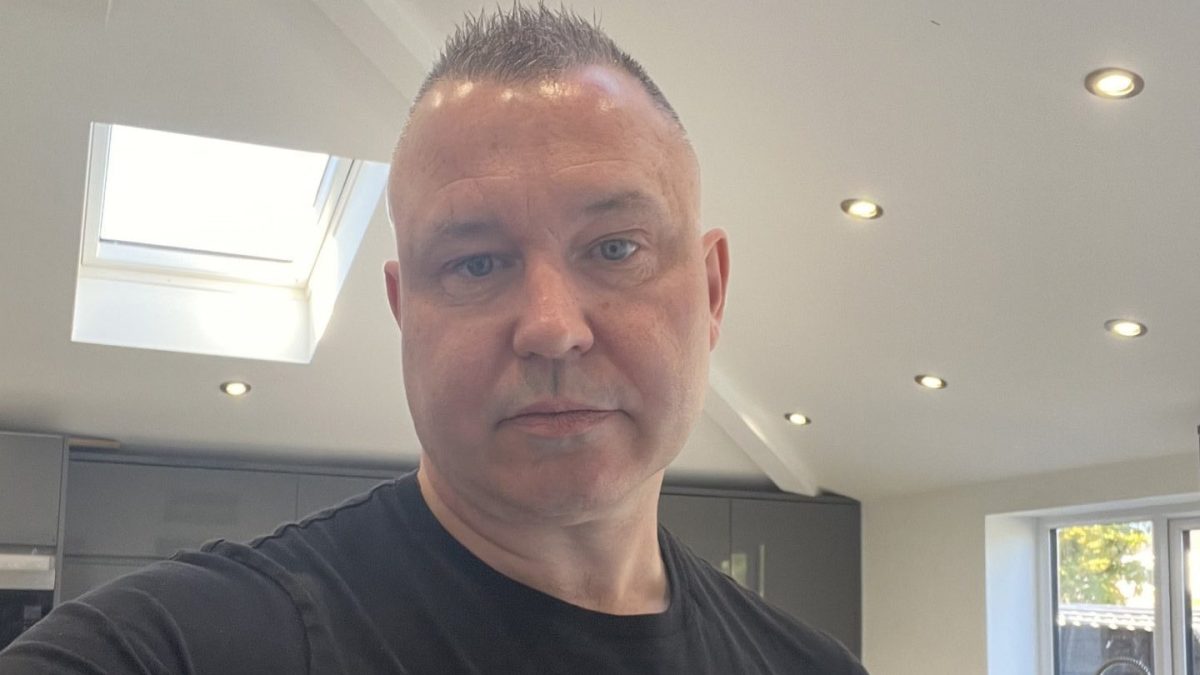
Paul MacKenzie-Cummins is one of them. He started his PR agency in early 2014 at 41, with the plan to build it up over a period of 20 years and sell it to fund his life after work.
The now-53-year-old, from Berkshire, said at the time, he wanted to “keep as much money in my pocket as possible”.
He explained: “So, redistributing some of my income into a pension that I wouldn’t see the benefit of for a couple of decades was not an attractive proposition for me at that time.”
But he is thankful he took that decision because when the pandemic came in 2020, the PR industry was “decimated”, he said, and his business was hit particularly hard.
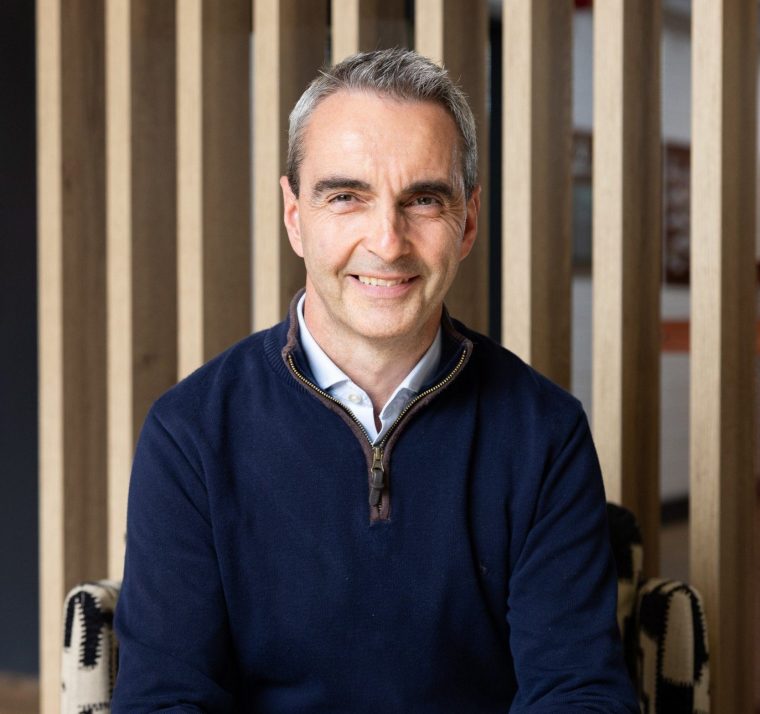 Paul started his business in early 2014 (Photo: Suzy Sleman
MacKenzie-Cummins said: “Having some money in reserve enables us to survive that very testing and precarious time.”
His aim is to retire at 65, and living frugally until then, which he hopes will pay dividends when he comes to sell the business.
Paul sold his house a decade ago and used the funds from the sale to support the business and also paid himself a minimum wage from 2014 through to 2022, not saving or investing in assets as a result.
“But I am an eternal optimist and fully believe that the lifestyle I seek for myself and my family as I edge towards retirement can and will be achieved,” he says.
According to research from wealth and asset management firm Rathbones, three in 10 business owners do not have a pension independent of their business.
It warned that millions in the UK may be taking unnecessary risks with their future finances by choosing this route.
Rathbones polled 3,092 adults, one in 10 of which were business owners, and also found that 44 per cent do not even hold an ISA of any kind.
The vast majority have money in savings accounts, including some with money in Premium Bonds, suggesting many are prioritising short-term cash over long-term planning.
Graham Robinson, owner of connectivity provider KeySIM, wants to retire at 55, but he currently has no pension.
The 45-year-old, from Greater Manchester, doesn’t want his money being “locked away for decades” and feels it is better invested in his company.
He plans to retain shares in the company and live off the dividends. He has no other investments.
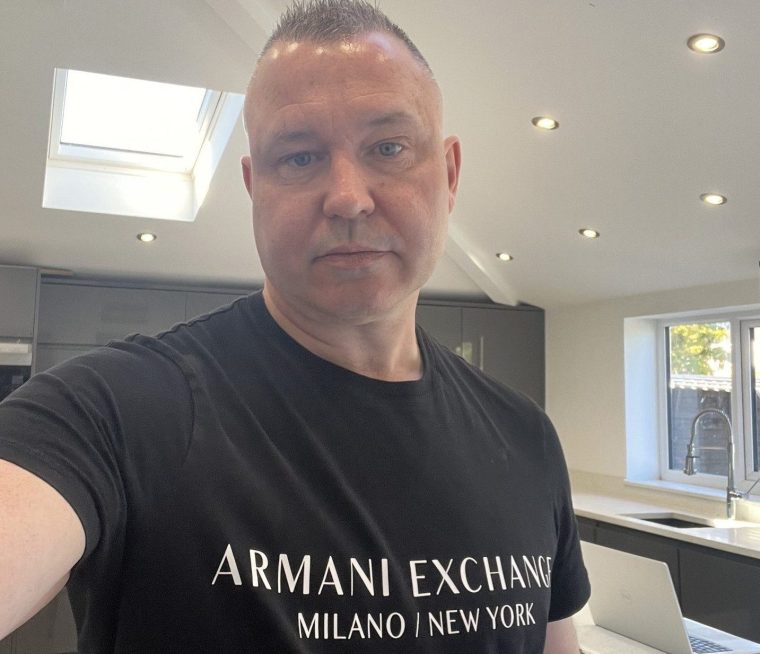 Graham currently has no savings and plans to live off dividends from his business
Graham, who started his business seven years ago, told The i Paper: “I have no savings and I do not plan on having any.
“I’ve never had a pension in the past and I am 100 per cent confident in my current retirement plan. I should be in a position to retire at 55 years old when I plan to.
“Relying on my business to fund my retirement does not worry me at all. If you create the right kind of business, they are not difficult to sell or live off the dividends.”
Faye Church, senior financial planning director at Rathbones, pointed out that the future is unpredictable, which is what makes this strategy so risky.
She said: “Small businesses can be hit by economic shocks, supply chain disruption, losing customers or a crisis no one sees coming.
“That makes it hard to know what your business will be worth when you eventually step back – or even whether you’ll be able to sell it at all.
“Without a pension, you could end up with far less to live on than planned, and even a successful sale may still fall short of funding the lifestyle you want in retirement.”
Owner of Summerton Whisky Club, Dan Humphrey, 42, said he has needed to invest every penny he has into his business, so he has not been able to think about a pension.
His business – a whisky subscription – started as a Christmas present for his dad which has since grown. He loves his job so much he has “no thoughts of retiring”.
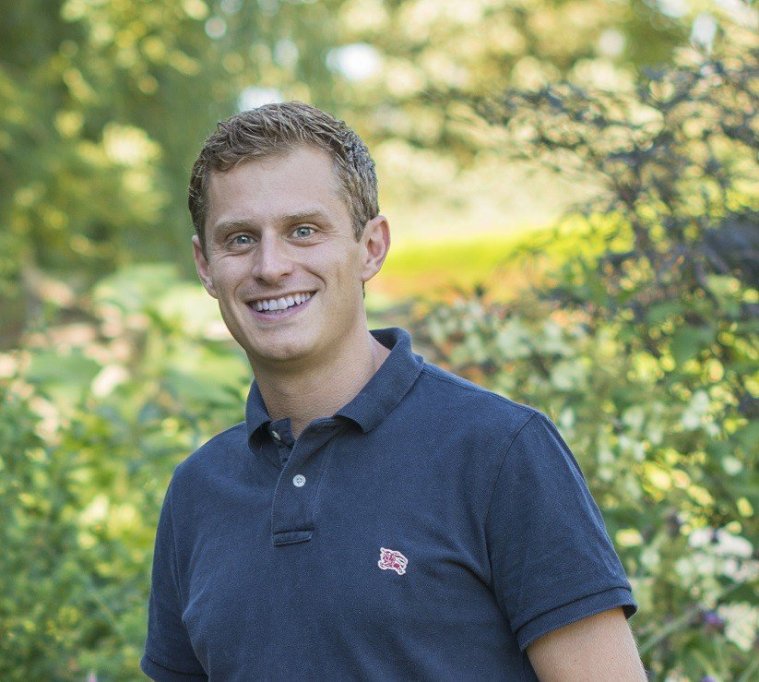 Dan Humphrey’s business idea started out as as Christmas present from his dad – he isn’t worried about retirement
Dan said: “I haven’t really got to thinking about a pension or funding retirement yet.
“I have nothing to put aside – it’s the business or nothing currently. Hopefully, I can start thinking about the future once we are through the next couple of years that promise to be very tough.”
He had a pension when he was employed, so there is a “very small pot” that stopped being paid into when he left the company.
But he said: “I feel that the business is in my hands, so I control my future, whereas with a pension, you don’t know if future chancellors are going to reduce the benefits of having one.”