
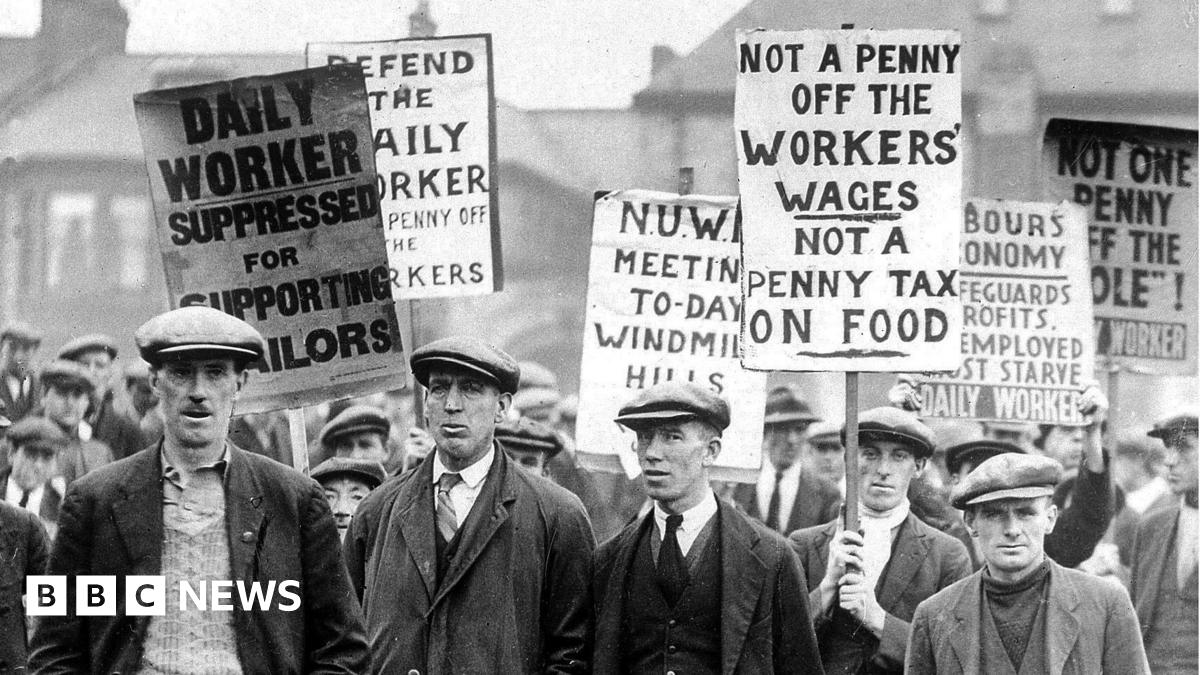
In 1927, the Conservative government – scarred by the events of the previous year, passed the Trades Disputes Act, outlawing sympathy strikes and mass picketing.
The act was repealed in 1946, but in the 1980s the then Prime Minister Margaret Thatcher reintroduced the ban.
According to Torrance, The Trade Union and Labour Relations (Consolidation) Act 1992 “tidied up previous legislation”, would make another general strike “unlikely”.
Today, the TUC’s director of organising, Sian Elliott, views the General Strike as a “turning point”, adding: “It showed what happens when working people refuse to accept declining pay and unfair conditions as inevitable. That moment reshaped the labour movement for generations.
“While it didn’t achieve all of its aims, a century on the lesson is unchanged. Crucially, that collective action is still the most effective way for workers to win better pay, stronger rights and a fairer economy.”
Schneer believes the TUC learned “valuable lessons” from the General Strike.
“First of all, never to call another, unless prepared to overthrow the government, since a successful national general strike threatens everything a government is supposed to provide, most obviously provision of essential commodities and services.
“Secondly, to stick to economic issues and to look to Parliament for political reform.
“Thirdly, when calling a strike, to do so when most convenient to itself, and never to be pushed into one by the employers.”
Dr Tony Collins will deliver a free talk on the General Strike at 12:30 BST on 12 May at Hull History Centre.