
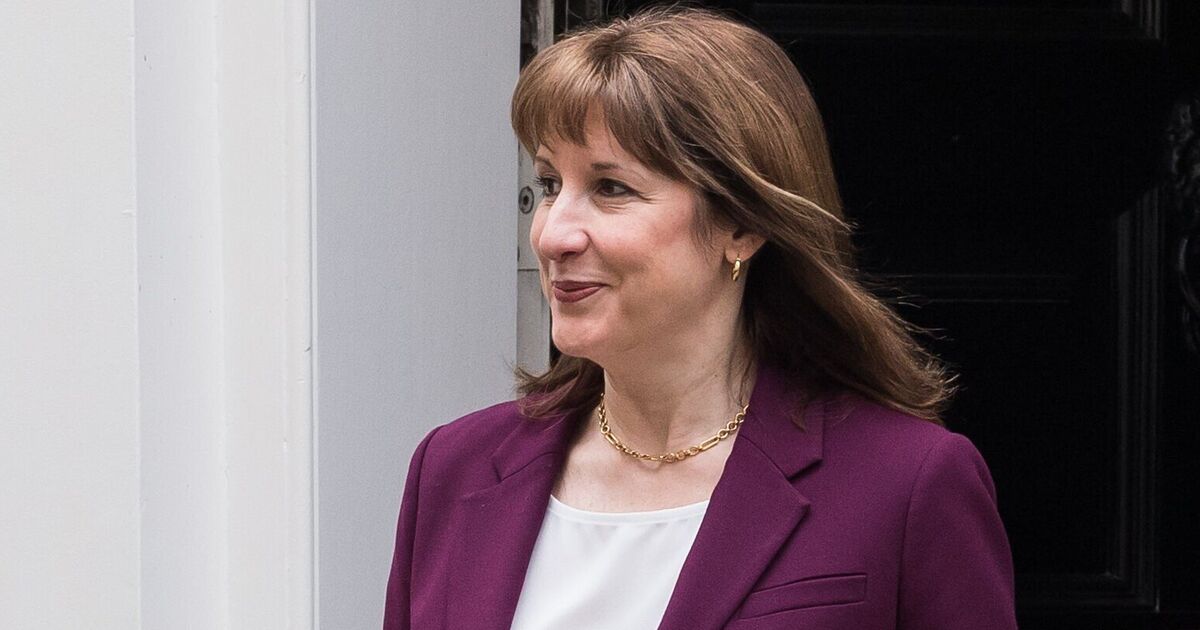
Certain road users will pay £35 to get behind the wheel and use the roads this year, after tax charges implemented by Rachel Reeves. The Labour Chancellor has announced tax hikes on road users, with annual inflationary increases affecting Vehicle Excise Duty (VED) prices.
Petrol, diesel and electric car owners have all been hit with higher rates, meaning motorists need to dip into their wallets for extra cash to retain their freedom to drive. Among those impacted by the new VED car tax bands are vehicles first registered between 2001 and 2017.
Owners of these models are placed into one of 13 car tax bands, with rates rising depending on overall vehicle emissions. However, low-emission models and electric cars are among those not affected by hefty increases, with bills not rising.
Vehicles falling into Band C, cars emitting between 111 and 120g/km of CO2, will pay £35 in VED over the 2026/27 tax year. It’s the same charge motorists paid over the 2024/25 and 2025/26 tax years in a boost to owners.
Usually, cars falling into this category include some of the most efficient petrol and diesel models and hybrid cars. VED is cheaper for low-emission models as the lower rates act as a major incentive for road users to switch to cleaner models.
In comparison, highly-polluting models are paying hundreds to use the roads, with cars emitting over 255g/km of CO2 charged £790 to get behind the wheel. Motorists can pay VED charges every year, or slice up the annual bill into a series of smaller instalments.
Drivers will usually receive a recent vehicle tax reminder or ‘last chance’ warning letter from the DVLA to remind road users when their bill is due.
Motorists can tax their vehicle online in just a matter of minutes, or pay the charge in person at the Post Office.
HMRC said: “As announced at Budget 2025, the Government will introduce legislation in Finance Bill 2025-26 to uprate Vehicle Excise Duty rates for cars, vans and motorcycles in line with the Retail Price Index (RPI) for 2026 to 2027. This will take effect from 1 April 2026.”