
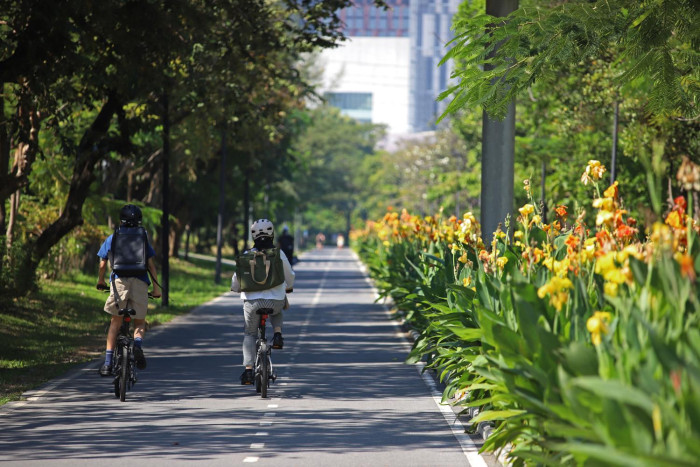
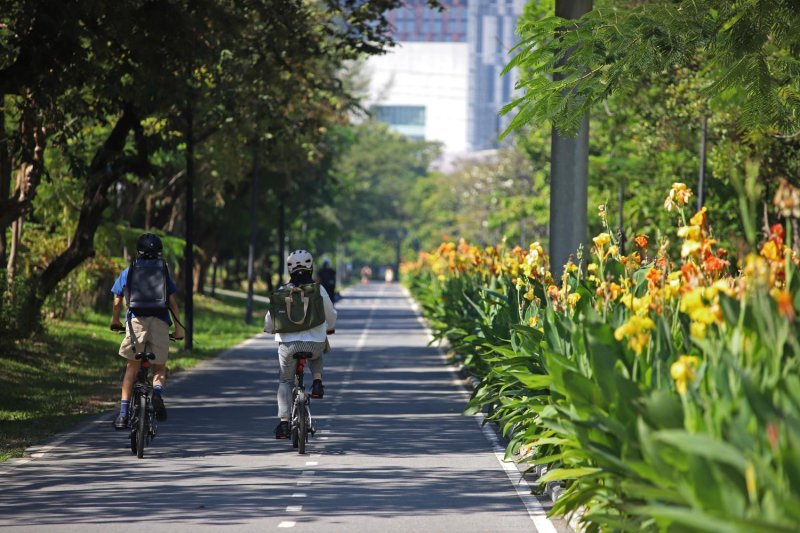
People cycle at Benjakitti Park. Varuth Hirunyatheb
Packed public parks, crowded gyms and plentiful sports events signal a resilient trend in Thailand that is unaffected by economic woes.
In recent years, there has been a notable shift among Thais towards prioritising health and wellness, with younger folks engaging in sports while older adults opt for easier activities.
“With medical expenses and insurance premiums rising, many people realise that investing in their health is a wise decision,” said Kitti Charoenpornpanichkul, president of the Thailand Sporting Trade Association.
HEALTH IN FOCUS
The association expects spending on sports equipment and clothing to grow annually, regardless of the country’s economic conditions, he said.
Thais are embracing a health-conscious trend that is unlikely to reverse in the future, said Mr Kitti.
However, for any sport or fitness activity to maintain momentum, he said ongoing events and collaborations that engage participants are essential.
One example is the Hyrox World Cham- pionship, an indoor fitness competition combining running and workout stations that organises global events, with top performers joining the World Championship later this year in Stockholm, Sweden.
Many Thai TV stars and fitness influencers participated in the Bangkok event in March, boosting the sport’s popularity locally.
Mr Kitti said he expects this visibility and continued events to attract more followers and sustain interest in the sport.
Sports also play an important role in tourism, with foreign visitors coming to Thailand to participate in activities such as golf, he noted.
WELLNESS PRIORITY
Virgin Active Thailand released a wellness trends survey for 2025 with 1,000 respondents that indicated 65% of Thais are prioritising their well-being compared with last year.
Some 55% identified sleep and recovery as the most important aspect of wellness, followed by nutrition (42%) and mental health (40%).
The company said it wants to attract new members while retaining existing ones through community-based programmes, personalised services and experiences tailored to local preferences.
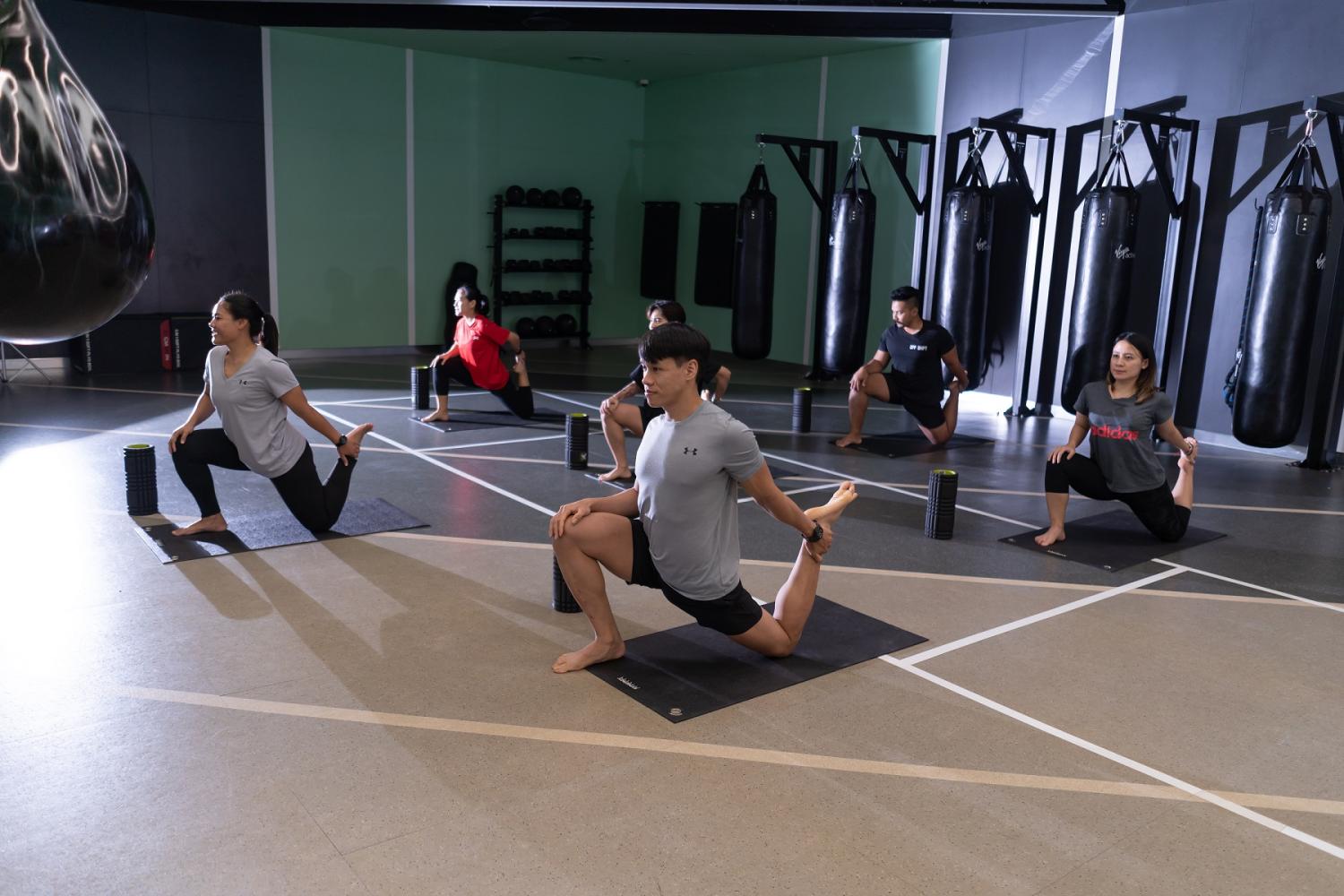
Stretching is part of the Recovery class.
THAI BRANDS
According to a Tourism and Sports Ministry survey, Thai respondents spent an average of 8,893 baht on sports in 2025, up from 8,590 baht in 2024.
Sports-related expenses were wide-ranging, covering event tickets, sports equipment, shoes, clothing, venue rental fees, accommodation while attending sporting events, and much more.
Respondents spent 1,303 baht on sports equipment, 1,106 baht on sports clothes, and 2,433 baht on sports shoes last year.
Mr Kitti said the Thai sportswear in- dustry is growing, particularly sports apparel.
Thai brands mainly target sports apparel and focus on the mass market because this segment is easier to enter than technologically advanced categories such as footwear, he noted.
Thai sportswear companies are also partnering with international brands, serving as local distributors and authorised retailers for global labels.
Thai consumers are becoming more sophisticated in their sportswear purchases, said Mr Kitti, increasingly aware of the importance of choosing appropriate apparel for each activity, with attention to both design and function. For example, runners may look for trousers with pockets for smartphones or other essentials.
Many Thai brands have recognised these evolving preferences and designed products to match demand, giving local brands an advantage over some international brands entering the Thai market, he said.
“Thais are willing to buy Thai brands if the design is right and the price is affordable,” said Mr Kitti.
“Products must be designed to meet local demand.”
Meanwhile, Thailand has a shortage of sports venues, which presents opportunities for further growth, he noted.
Thai sports brands could capitalise on this opportunity by developing sports venues, opening stores at these venues to showcase and sell their own products and partner brands’ products, further engaging enthusiasts, said Mr Kitti.
For example, the Thai sports brand FBT built some sports venues a few years ago.
He recommended instead of solely sponsoring major sporting events, Thai brands create their own sports events, enabling them to integrate products directly into the activities.
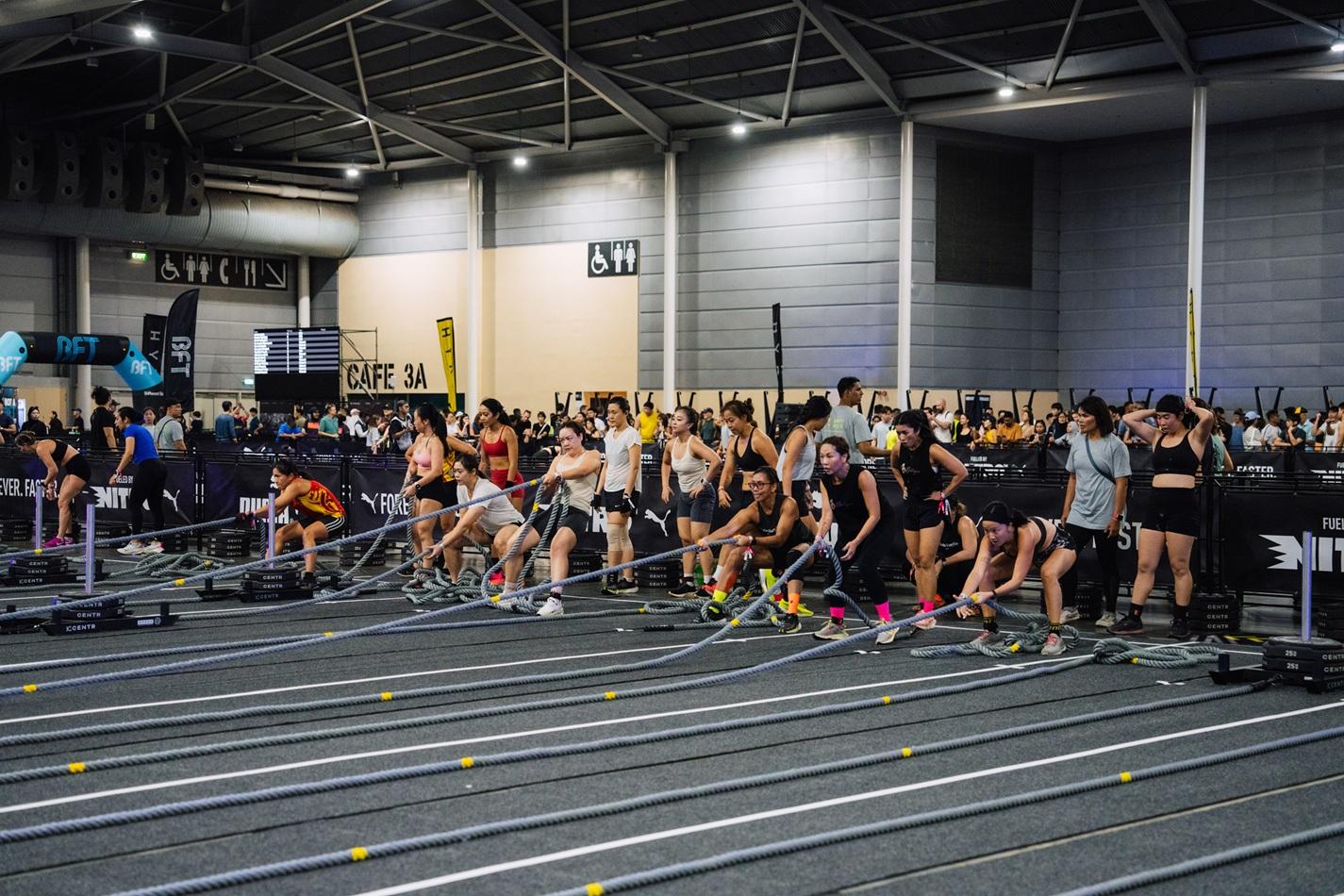
BYD Hyrox Bangkok. Interested people are invited to join or witness “BYD Hyrox Bangkok”, a global fitness race which debuts in Thailand for the first time at Bitec, Bang Na-Trat Road, on Saturday and Sunday.
GOVERNMENT SUPPORT
Mr Kitti urged the government to improve the collection of health and sports data and insights, as this information can help shape effective sport-related policies.
He said government-organised sports events should be supported by long-term communication strategies that highlight public health benefits and other advantages, rather than being one-off events held only for publicity.
“The government is trying to promote the importance of sports, but its policies lack continuity,” said Mr Kitti.
He called on the government to provide adequate sports infrastructure nationwide, including venues and public parks, noting facility designs should be based on local insights.
For example, if most sports enthusiasts are active on weekends, infrastructure planning should ensure venues can accommodate increased attendance on those days.
In addition, Mr Kitti said infrastructure must be developed across the country, not just in major provinces.
“Rather than giving direct support to the private sector, the government should focus on providing proper and sufficient sports venues and hosting events, which would help the private sector adapt to trends and grow on its own,” he said.
If the private sector wants to organise an event, the government should facilitate by streamlining permissions and venue rental through coordinated support from relevant agencies, said Mr Kitti.
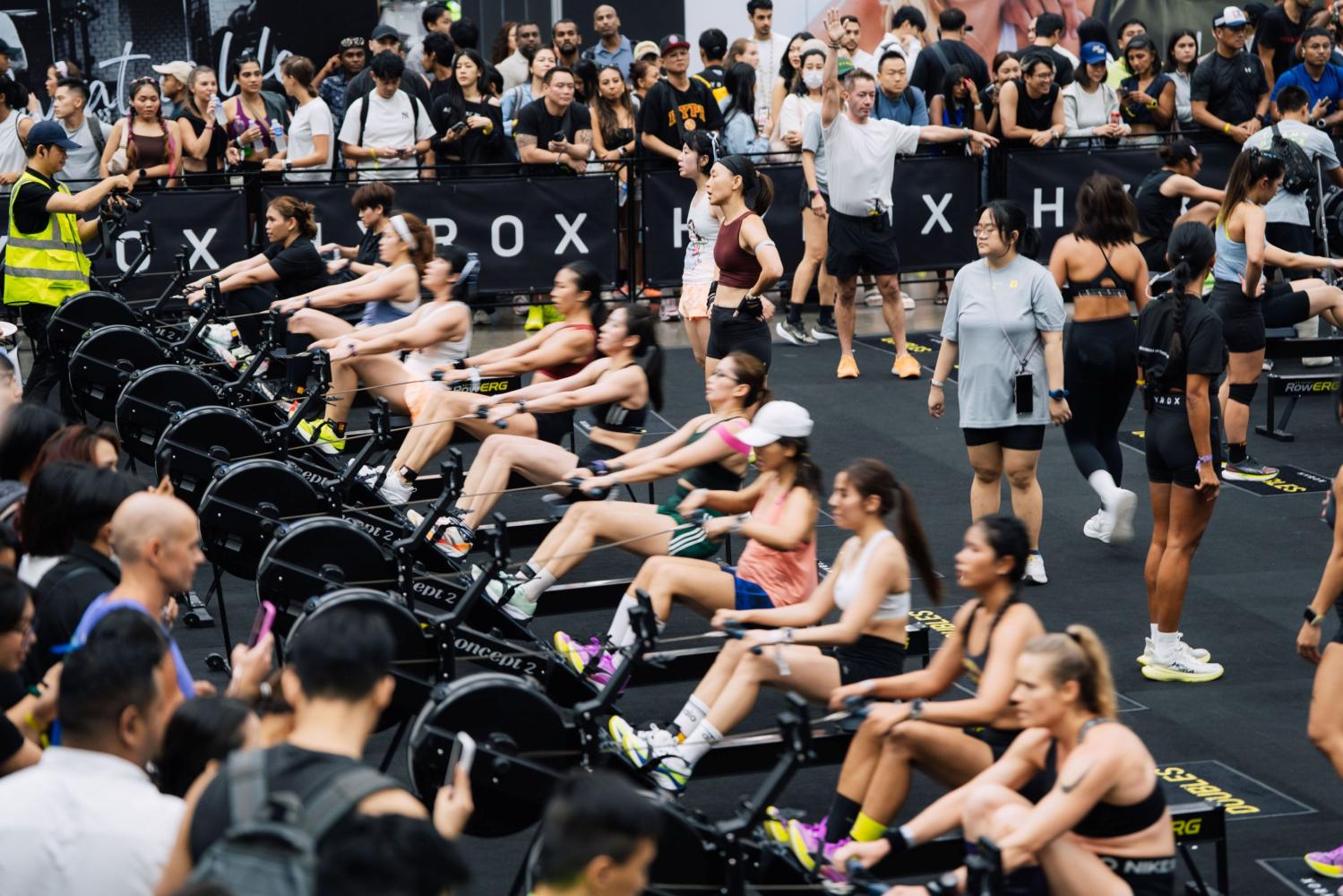
Athletes participate in the BYD Hyrox Bangkok.