
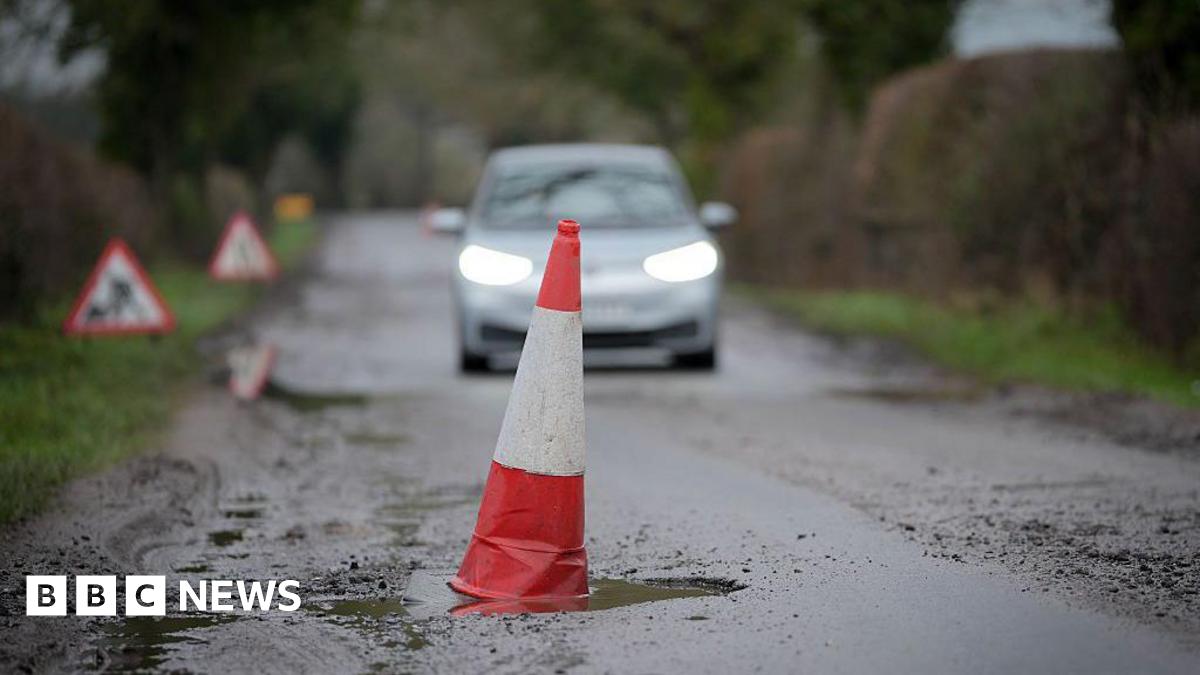
In January, the Department for Transport published a traffic light rating system judging local authorities on how they are maintaining their roads and spending government funding.
The department defended its methodology after some councils questioned how the green, amber and red ratings were worked out.
When it comes to the political parties, there are several pledges to act, and the quality of the repairs – rather than just details about the quantity – are likely to be important.
A Reform UK spokesman said its councils have been trying to find “new solutions to fix the broken roads they inherited”, including using “cutting-edge new technology to make pothole repairs faster and more efficient”.
The Conservatives have spoken about wanting to establish a “national pothole patrol”, which involves deploying specialist repair units using “the most effective technology on the market”.
The Liberal Democrats said they have a national policy on supporting councils to fix potholes and decisions are made locally by the authorities.
Lib Dem local government spokesperson Zoe Franklin said: “The state of our roads is a mess nationwide and reflects the wider crisis we have seen in local government funding.”
A Green Party spokesman said their approach varies council to council and its national view is the upkeep of existing roads needs to be “prioritised” over the building of major new roads.
They said: “We’re often portrayed as being anti-car and therefore not caring about potholes.
“In fact, potholes have a big impact on walkers and cyclists as well people who need to use their cars for work.”
For Labour, being in power in Westminster has enabled them to set the spending allocation for councils in England.
The government announced £7.3bn for local road maintenance for the next four years, along with rules which could see some funding upheld from those councils unable to prove they are fixing potholes.