
Molière’s stature in the canon of French literature is comparable to that of Shakespeare in English.
The 17th-century playwright is such a towering figure that the French often describe their mother tongue as the language of Molière.
The use of artificial intelligence to write a new play in the style of the emblematic dramatist might have seemed almost sacrilegious, were it not the brainchild of leading Molière scholars at the Sorbonne. They spent nearly three years on the project, working with three French artists who have been using AI to create paintings, sculptures and videos for a decade.
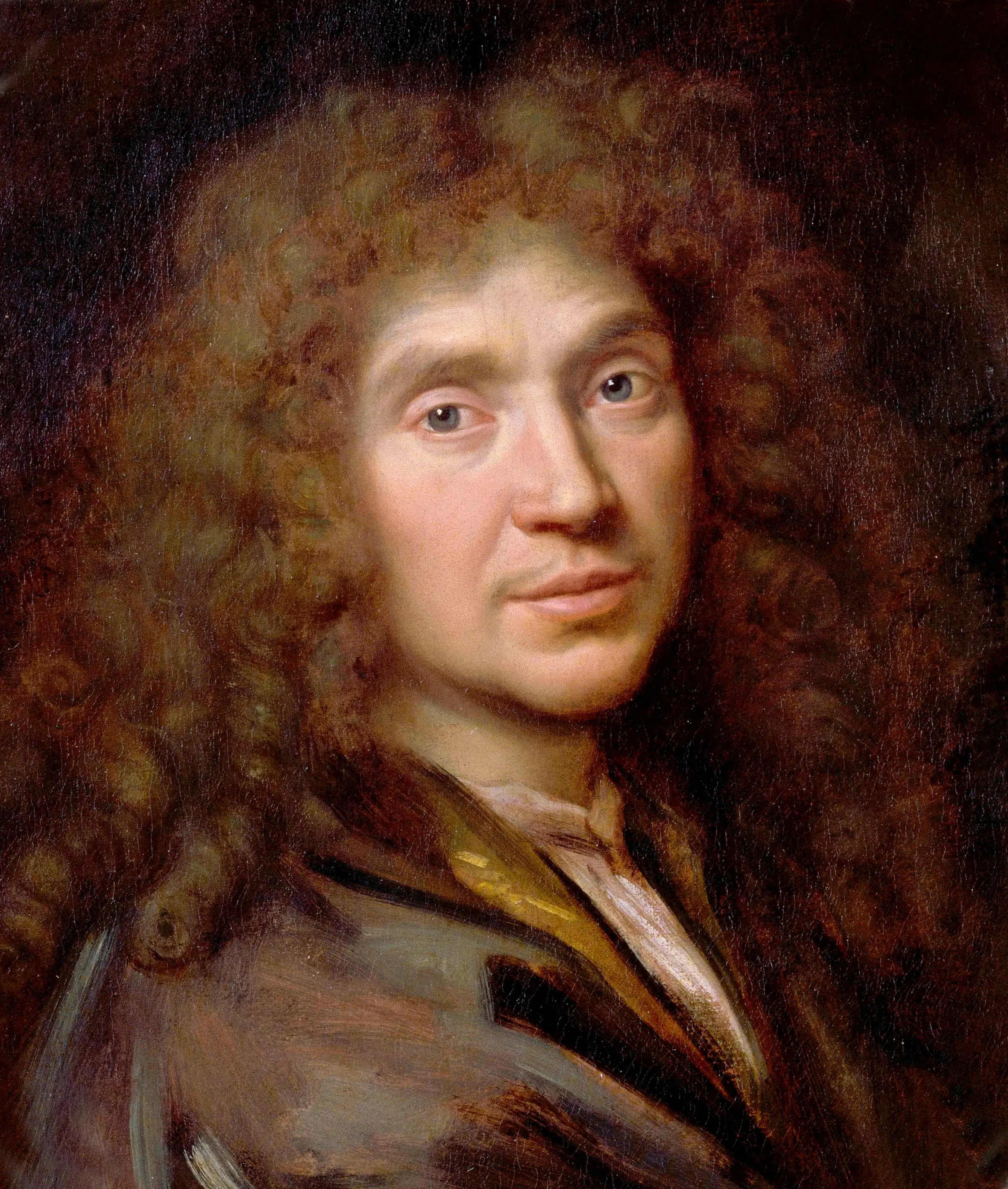 Molière is widely regarded one of France’s greatest playwrightsAlamy
Together, they trained Le Chat, a French AI assistant, to imitate Molière’s biting social satire and his memorable turns of phrase, many of which have passed into everyday French.
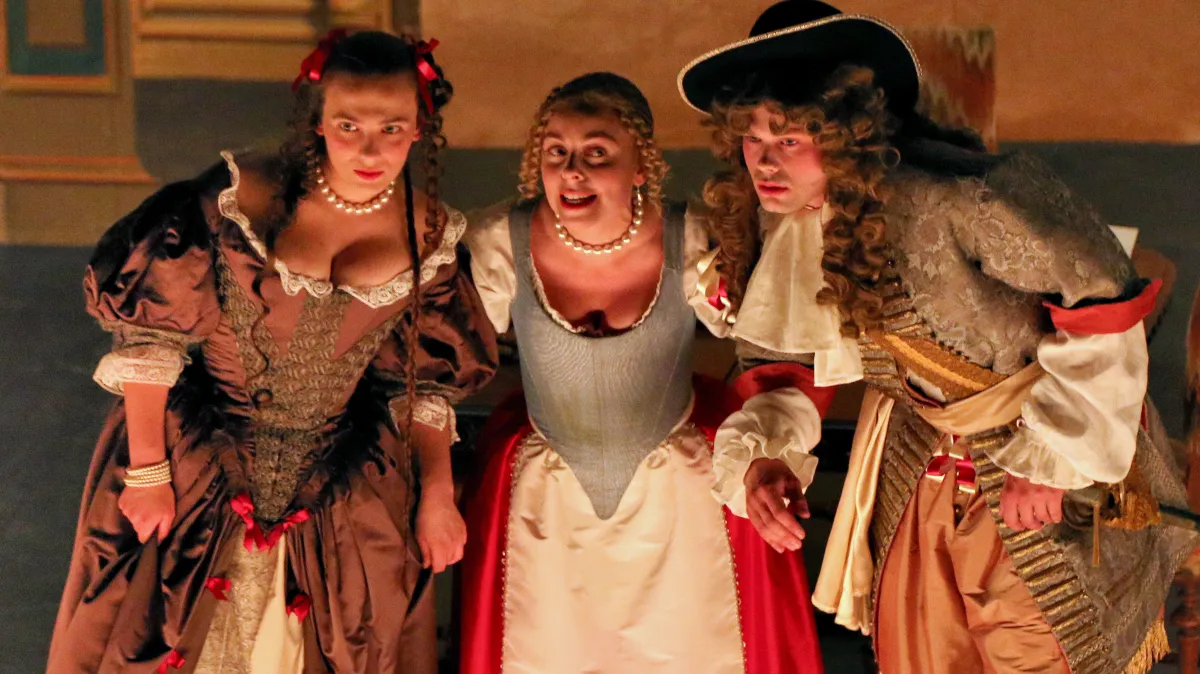
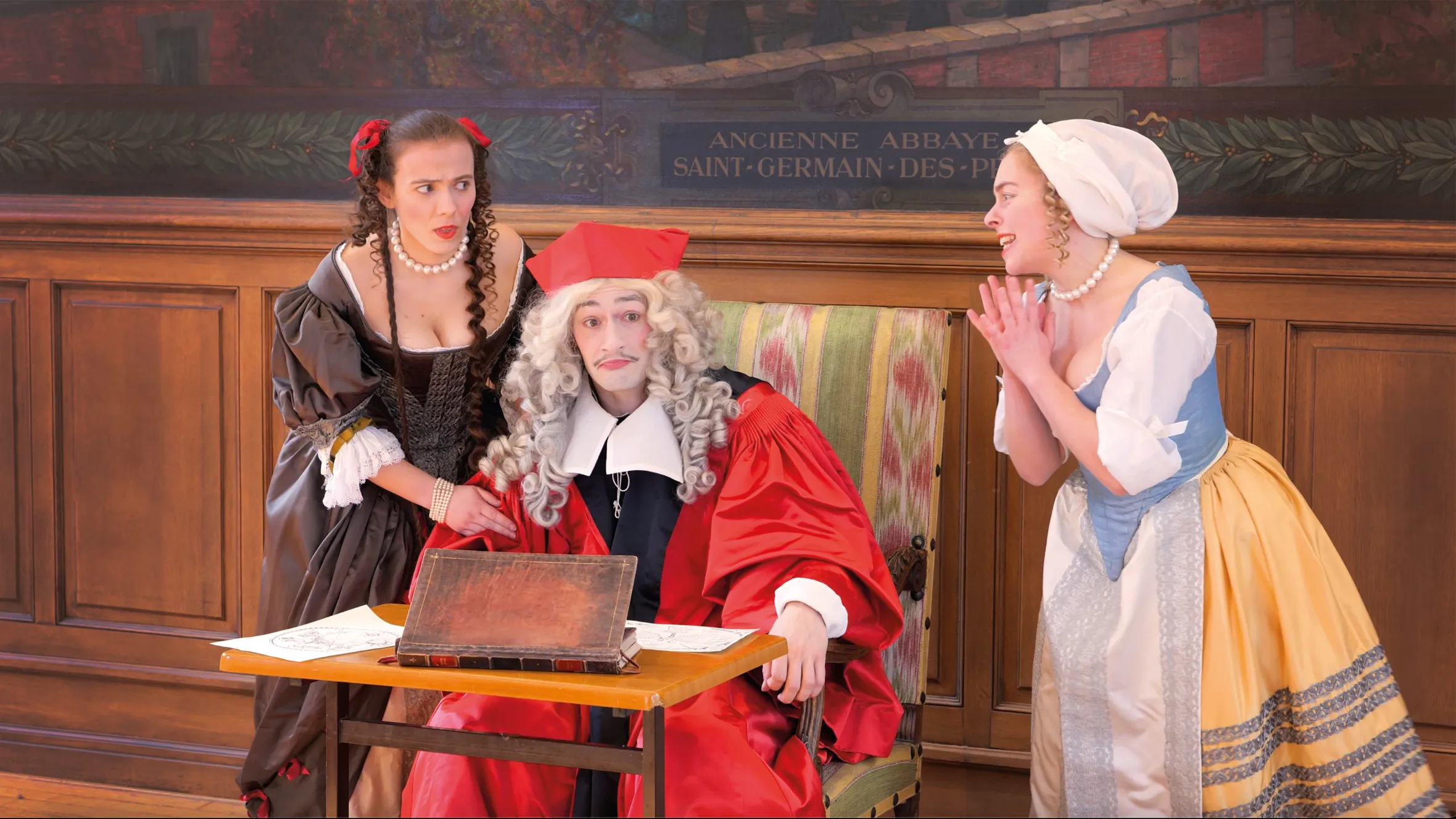
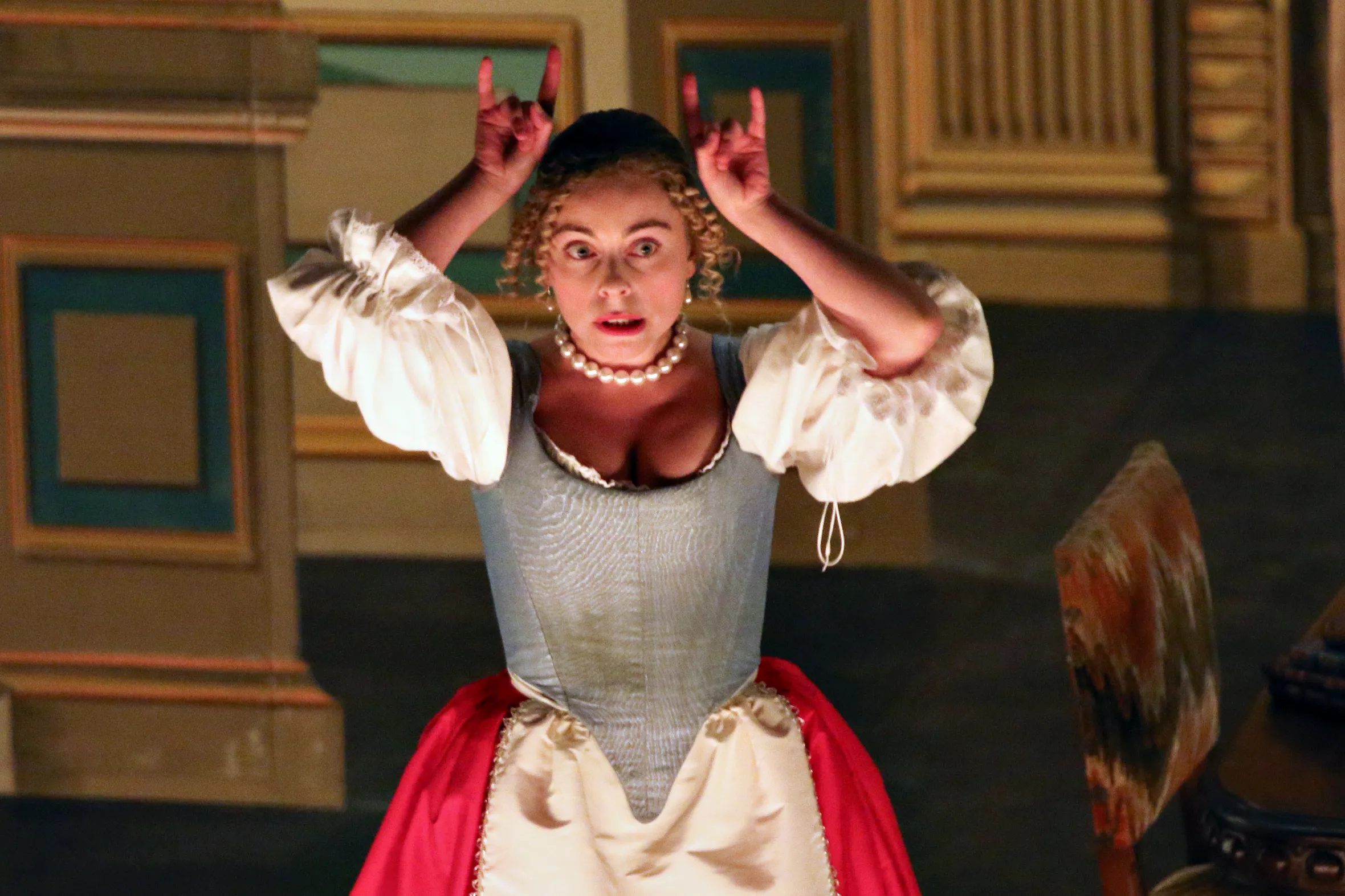
The resulting play, The Astrologer, or False Omens, is being staged this week at the Royal Opera of Versailles. The three-act farce tells the story of a credulous father whose obsession with astrology leads him to force his young daughter to marry an elderly wigmaker.
Pierre-Marie Chauvin, a Sorbonne vice-president, said the play is close to what Molière himself might have written. “The project is consistent with the Sorbonne’s policy of allying arts and sciences,” Chauvin said. “Our university has the best Molière specialists and we also have the Théâtre Molière Sorbonne, which recreates 17th century theatrical techniques. We approached this project in the most rigorous way possible to remain faithful to the spirit of Molière and his creative process.”
Many Hollywood stars are sounding the alarm over the threat that AI could one day take over filmmaking, copying their voices and generating images that look like them. Nicolas Cage has urged fellow actors to “protect yourselves from AI interfering with your honest and authentic expressions”.
James Cameron, the director of Avatar and Titanic, said AI could “invent a character, fabricate an actor or even generate a performance from a simple text prompt … to me, that’s horrifying. I don’t want a machine to take over the work I take pride in doing with actors.”
Pierre Fautrel of Obvious, the trio of artists experienced in AI who worked with the Sorbonne team, said: “The stars are justified in seeing AI as a potential threat, but what we wanted to show in this project was that a responsible use of AI could make it into a useful creative tool.”
Chauvel added: “AI can’t be intelligent on its own. It’s a tool that obeys humans and humans made all the decisions, big or small, to create this play. AI alone can’t create works of great artistic or literary value. It needs a lot of artistic input from humans. Left to its own devices, AI will generate something superficial.”
At the outset, the team simply asked Le Chat to write a play in the style of Molière, but “it was not good”, Chauvin said. “We decided on the theme and then it took years of continual revising and rewriting. It was a painstaking process.”
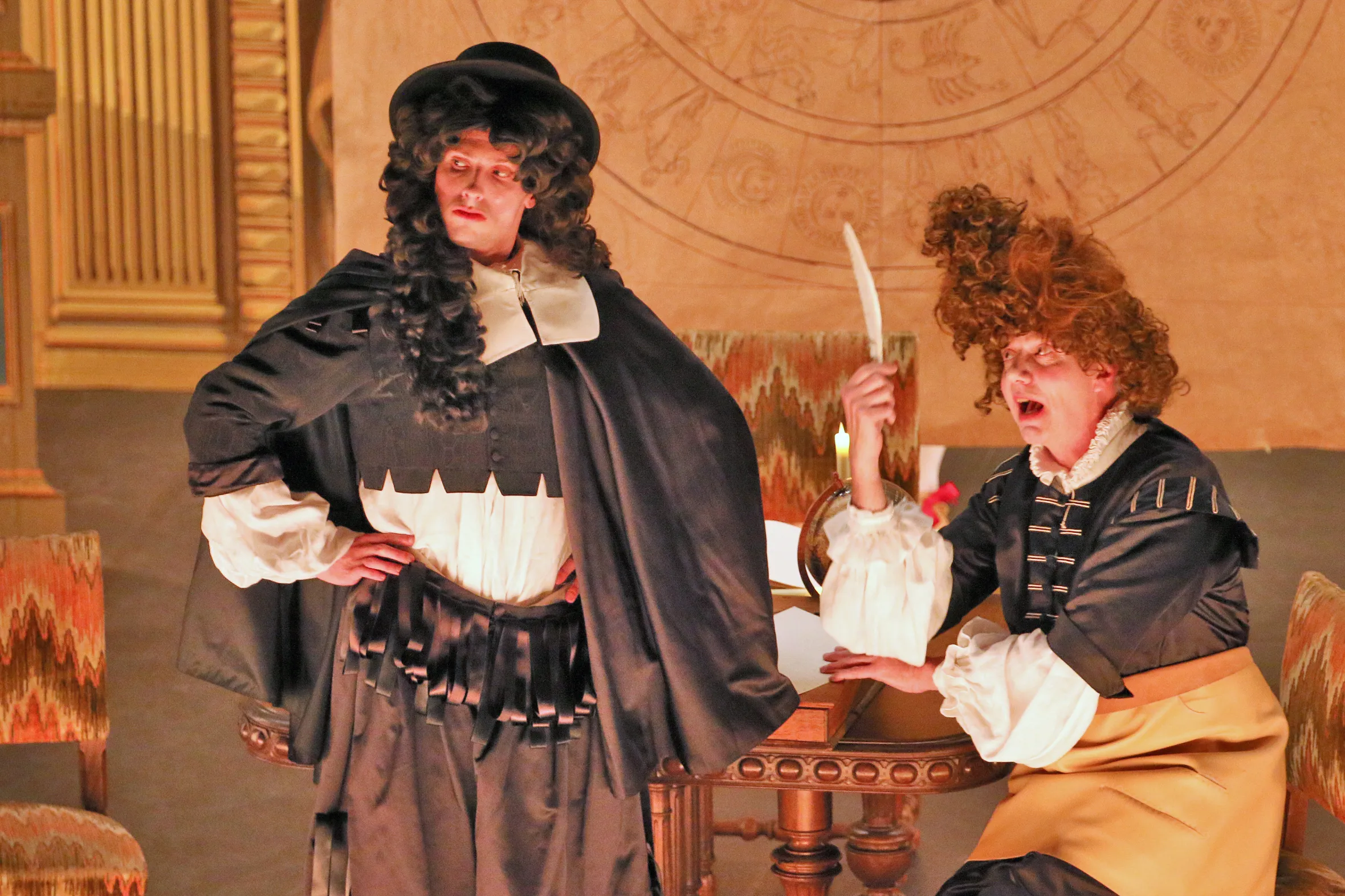
Fautrel said the text was generated by AI, but the creative team chose from and reframed a multitude of different options that it suggested for each line. “There were at least 20,000 back-and-forth exchanges between the creative team and the algorithms. The astrologer’s name, Pseudoramus, was an AI suggestion, and it’s a stroke of genius, but we chose it from a lot of options,” he said.
Daily Briefing newsletter
Get our top stories and exclusive analysis sent straight to your inbox every morning.
Sign up with one click
Molière, the nom de plume of Jean-Baptiste Poquelin, is known to have possessed books about astrology. “He used astrologers as secondary characters, but what he was really interested in was denouncing the credulity of humans and exposing charlatans and pseudo-scientists who try to manipulate people,” Fautrel said. “These themes are highly relevant today.”
The project cost about €1 million, largely funded by American donors including Eric Schmidt, Google’s former chief executive, and Reid Hoffman, the founder of LinkedIn. “Despite current strains between the US and France, this showed that transatlantic friendship still lives,” Chauvin said.