
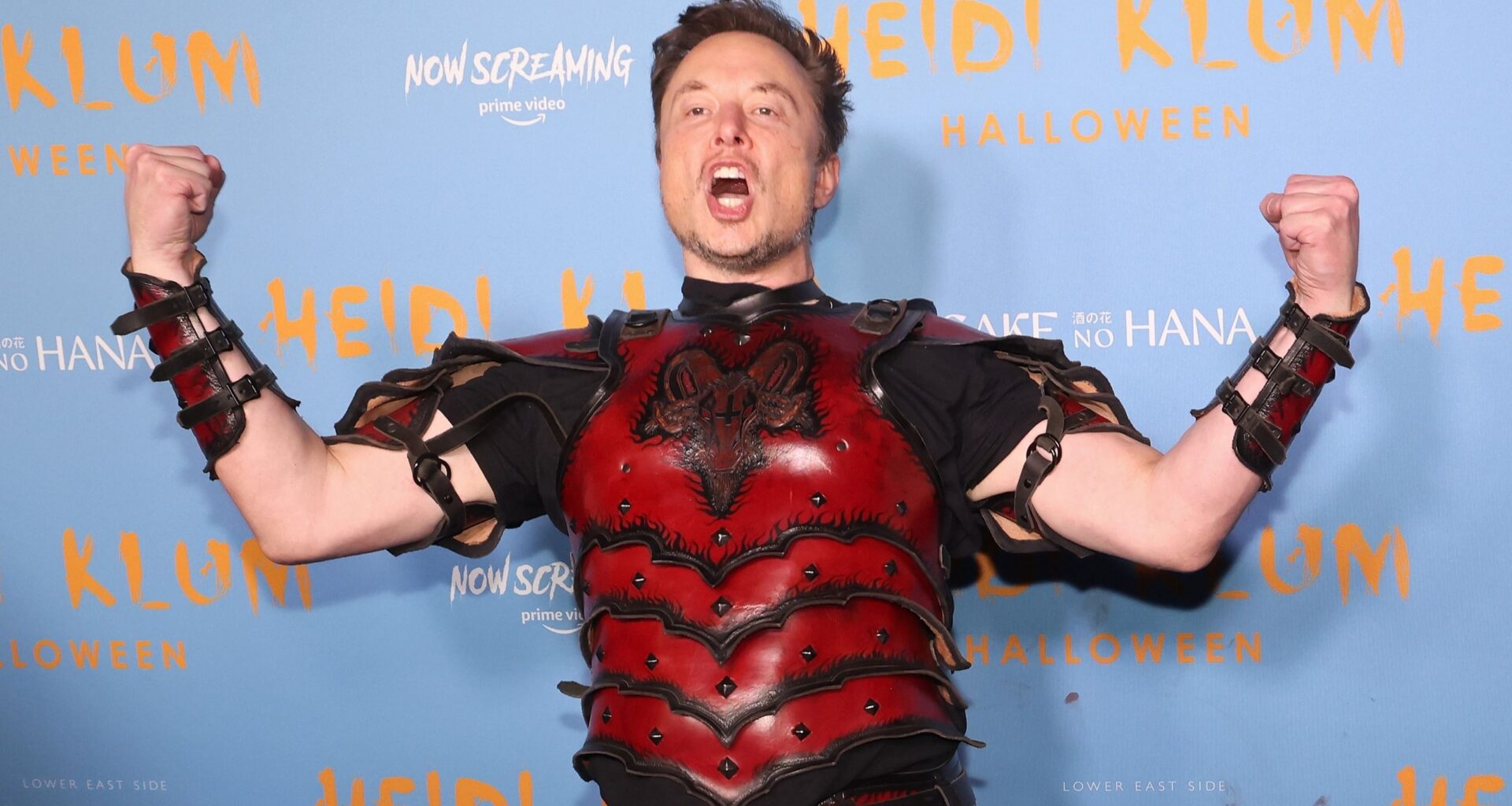
The ongoing legal fight between OpenAI co-founders Elon Musk and Sam Altman has seen the release of a treasure-trove of internal documentation from the firm’s earliest years. One minor theme has been the presence of Gabe Newell, who gave the company over $20 million and was the sole member of its “informal advisory board” in 2018: he later personally emailed Musk to try and get Hideo Kojima a tour of SpaceX.
The latest batch of documents includes an email exchange from late 2015, in which Musk, Altman, and Greg Brockman are discussing various aspects of how the company will be set up and funded. Another topic is what they’re actually going to call it and, whaddya know, Valve turns up in Musk’s thought process one more time.
Article continues below
You may like
(Image credit: Valve)
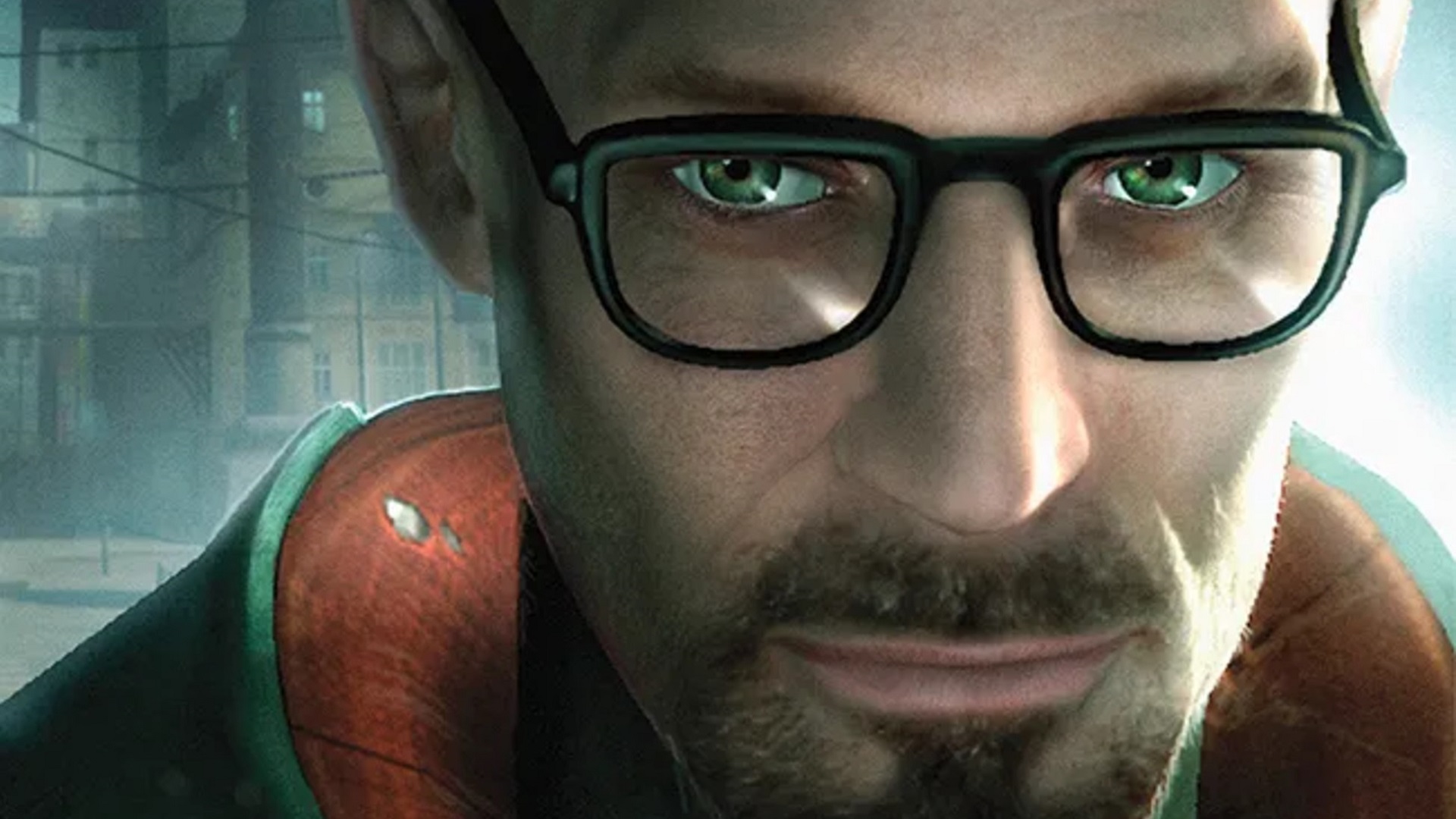
The weird thing about this, of course, is that Gordon Freeman is intentionally more of a cipher than a fleshed-out “awesome character.” The Half-Life games have a tonne of memorable story beats and character moments, but they’re all being observed by Freeman who, of course, never speaks: other characters even joke about it.
Anyway! The Valve book Raising the Bar, about Half-Life 2’s development, contains the story of how Freeman got his name: writer Marc Laidlaw originally named the character Dyson Poincaré after philosopher Freeman Dyson and mathematician Henri Poincaré. Gabe Newell didn’t like the name, and came up with Gordon Freeman as an alternative during a car ride. A very early version of the character was also jokingly referred to as Ivan the Space Biker.
The games make great play of the ‘Freeman’ name at times, and what it says about the character’s role in this universe, with the flipside of course being the so-called G-Man, which seems to come from slang for “government man.” I suppose we’re lucky Musk didn’t come up with “AI-man.”
Brockman responds to Musk’s email about the name with “oof, good catch on Exxon” before suggesting “Cogito” which he and Altman “like a lot” because it has a “nice individualistic feel to it.”
So you may not dig the name OpenAI: but rest assured it could’ve been a lot worse.