
EXCLUSIVE: It causes a highly contagious disease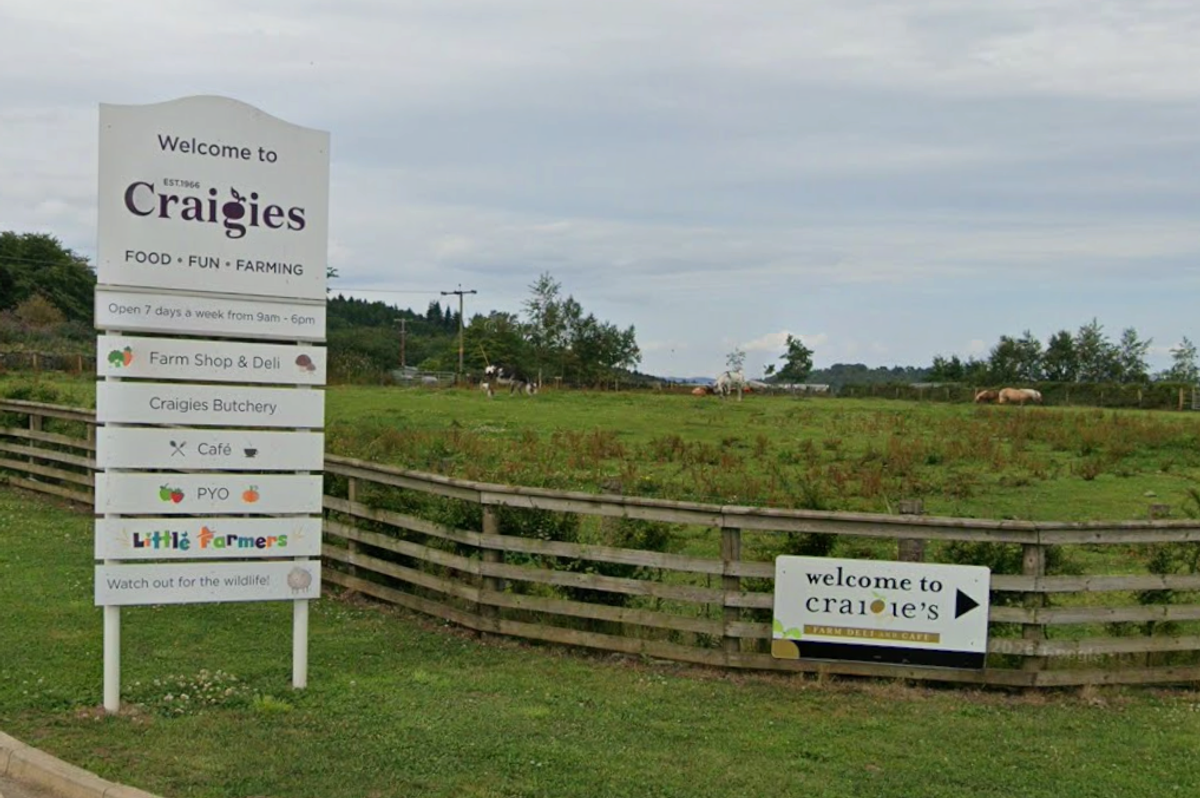
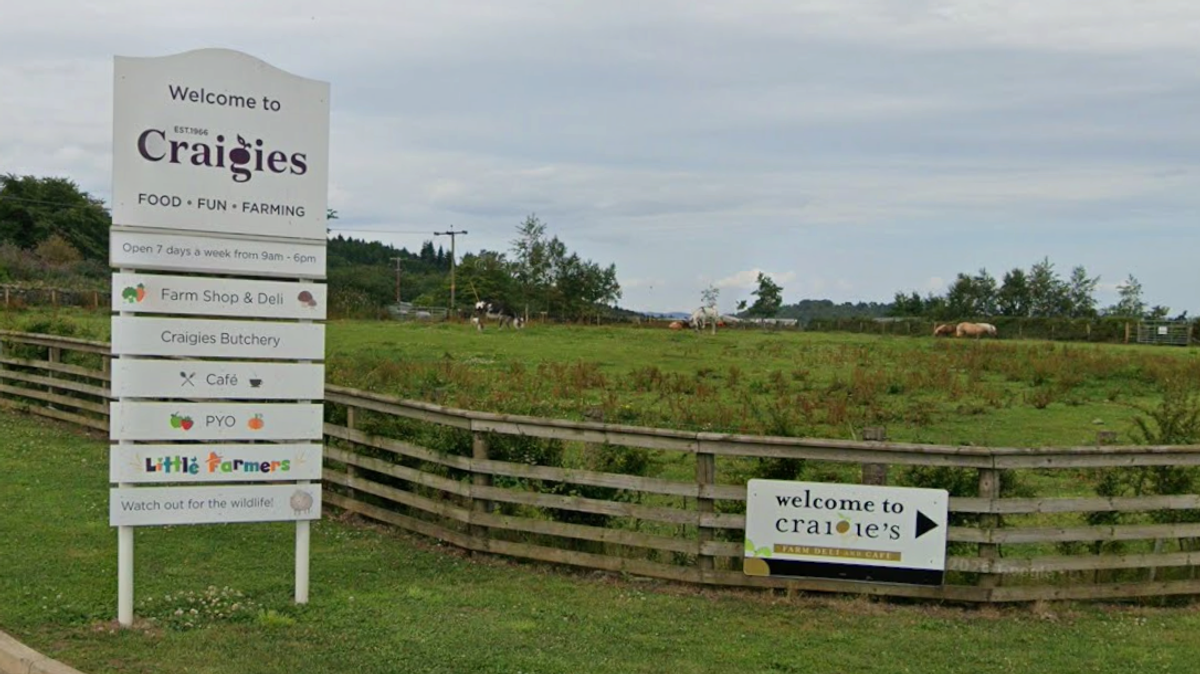
The popular attraction has issued a statement.(Image: Google)
Medics have issued guidance after cases of a disease caused by a parasite were linked to a popular Edinburgh family attraction. Six people, including both adults and children, became unwell after visiting a lamb feeding experience at Craigies Farm, near South Queensferry.
All were found to have cryptosporidiosis, an infection associated with environments where people are in contact with animals, caused by the parasite cryptosporidium. A seasonal increase in cases is often seen during the spring.
A local mum who visited with her two children reported she was ill for nearly two weeks after visiting the experience – which concluded this week – on April 15, and had to be hospitalised.
Symptoms of the highly contagious disease include profuse watery diarrhoea, stomach pains, nausea or vomiting, low-grade fever and loss of appetite, which can lead to dehydration and weight loss.
It is most common in children aged between one and five years. Others at risk are those who handle infected livestock or their faeces, are exposed to human faeces through caring, drink from untreated water supplies or travel to countries where exposures are more likely.
Cryptosporidium can be found in the intestines and faeces of infected humans and animals, and may contaminate lakes, streams and rivers, swimming pools, untreated or poorly treated water, food, especially raw milk and fresh produce, and objects such as farm gates and outdoor boots and clothing.
The health board has been notified of the recent cases, and has issued guidance to the public on how to reduce the risk of infection and what to do if you have symptoms.
Craigies Farm has also issued a statement in response, and reassured the attraction had been inspected by Environmental Health, which is satisfied with the controls and measures taken.
Both parties stressed the importance of good hand hygiene following contact with animals or areas where they are kept.
Peter Harrison, Nurse Consultant in Health Protection, NHS Lothian and the East Region Health Protection Service, said: “We generally see a seasonal increase in cryptosporidium cases in springtime and all cases are investigated to identify a source.
“We are aware of six cases with links to a visitor attraction in the Lothian area and are working with environmental health colleagues to monitor the situation.
“Cryptosporidium is a disease that can be carried by a wide range of farm animals including sheep, cattle, pigs and goats. Infection can be picked up by touching or petting animal or through contact with fields, fences, gates and buildings where animals have been kept.
“To reduce the risk of infection it is important to wash your hands after contact with animals or areas where they are kept.
“Symptoms of cryptosporidium can include diarrhoea , stomach cramps, nausea and vomiting. Whilst this does not usually require medical treatment, those who have severe symptoms are advised to contact their GP or NHS 24 on 111.”
John Sinclair, owner of Craigies Farm, confirmed the attraction is working closely with health experts after the outbreak and stressed containment measures are in place.
He added: “We are aware of a small number of visitors who have reported illness following visits to the farm and we take this very seriously. Cryptosporidiosis is a recognised, seasonal infection associated with animal contact environments, particularly in young lambs, and cases do occur each year across the UK.
“Our lamb feeding experience ran as planned and concluded on May 4. We have been working closely with the Edinburgh environmental health team, who have visited the farm and are satisfied with the controls, procedures and hygiene measures in place. We continue to follow all guidance provided.
“We also work alongside the National Farm Attractions Network, a UK-wide organisation that supports farms and environmental health teams with best practice guidance to ensure these types of experiences can operate as safely as possible.
“As with all farms, the key control is good hygiene, particularly thorough handwashing after contact with animals. We provide handwashing facilities, clear guidance before, during and after the experience, and removed higher contact elements such as lamb cuddling to further reduce risk.
“Following recent discussions, we have also taken additional steps to strengthen cleaning procedures within animal areas. The health and safety of our visitors is our priority, and we will continue to review and improve our processes where required.”