
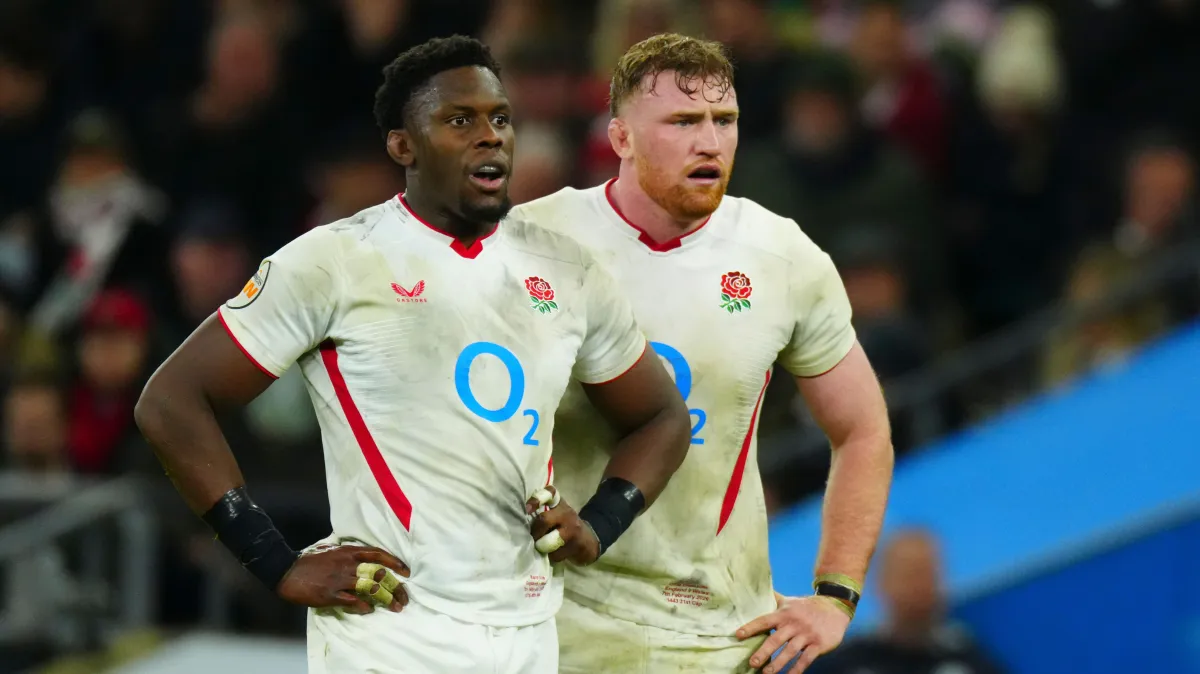
England’s management review is as wrong as it was predictable. All the evidence suggests that, come tournament rugby, Steve Borthwick cannot help but withdraw into his world of conservatism, and with this negation will come further failure.
The final Six Nations match of 2026, against France, with expectations ranging from nothing to zero, was effectively a free hit, a chance to throw the ball around. They did. And England almost won. There was much to like about this version of England. But it’s an England that rarely reveals itself under the pressure of tournament rugby. Borthwick has won more than his share of autumn and summer matches but the Six Nations win/loss ratio is dire for a nation with such resources.
Come the 2027 World Cup, let alone the next Six Nations, England will have to find a gear so far undiscovered in tournament rugby. Given Borthwick’s coaching track record and his history with England to date, it is possible to see his side throw everything at the Springboks in July. It is, after all, a game everyone thinks they will lose.
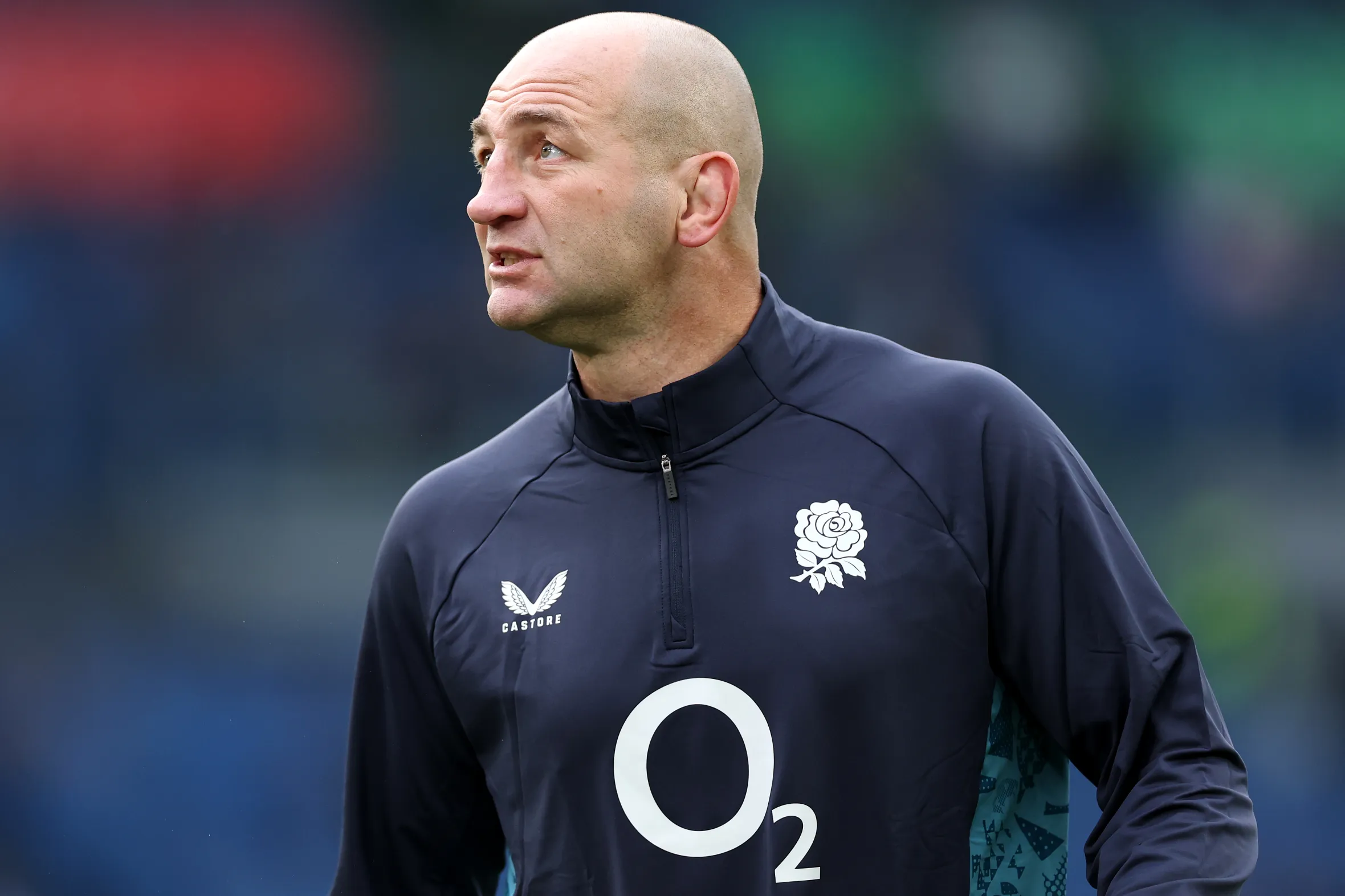 Borthwick faces a stiff task convincing his players they can beat the Springboks when the Nations Championship begins in July Dan Mullan/RFU/Getty
Well, maybe not everyone. If the England 23 selected for the match against the world’s dominant team do not convince themselves they can win (crazy as the thought might seem outside the England changing room) then the head coach should be offering his resignation sooner than later.
Belief is a key to success. In their Champions Cup quarter-final clash with Bath, Northampton Saints played the better rugby. But Bath had the belief to keep coming. Johann van Graan has instilled this belief. The players have trust in each other and their plan.
Perhaps too much trust in the plan. While it is not smart to play too much risky rugby against a side of Bordeaux Bègles’ calibre in their home city, there were occasions in the semi-final when Bath and Ben Spencer in particular kicked as if on automatic pilot. While Matthieu Jalibert looked up and played what he saw, Finn Russell stopped taking a few of the risks required if Bath were to beat the European champions.
Bath’s belief wasn’t enough. But do England have the belief? Do they have the inspiration? Do they have the captain to guide them through the ups and downs of Six Nations and World Cups? I’ll confess, I have long been an admirer of Maro Itoje. He should have been the British & Irish Lions captain in South Africa in 2021. He was Lions captain in Australia in 2025. He played every minute of the first two Tests and saw the series safely won before being injured in the third-Test defeat.
Before Andy Farrell made him Lions skipper, Borthwick had already appointed him as England’s, replacing Saracens team-mate Jamie George. The hooker was, and remains, a central player in the England set-up, but in an advisory role. Itoje leads the team, Itoje talks to the referee as well as speaking superbly to the watching world.
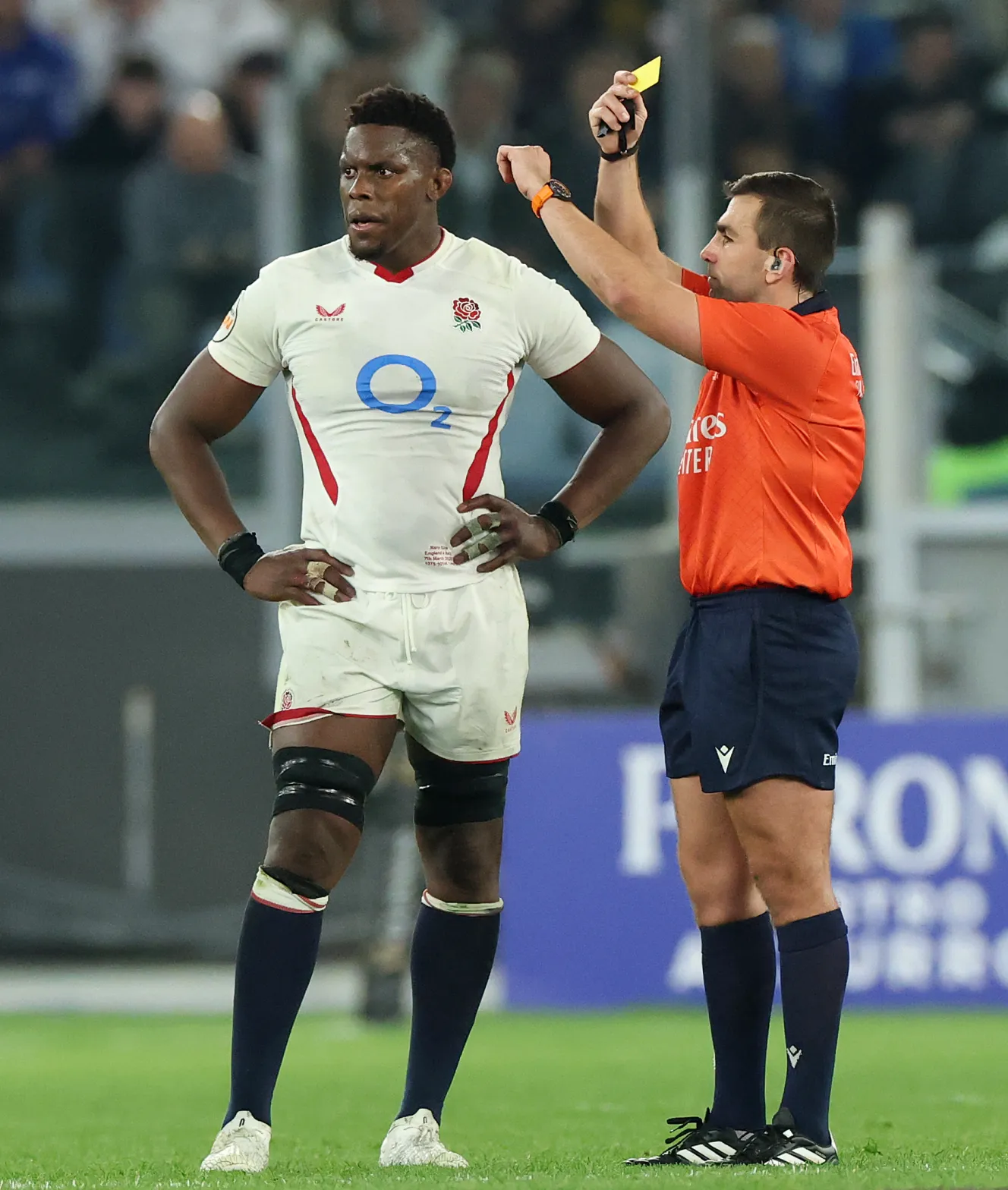 Itoje has not always enjoyed success talking to referees during matches, a key requirement for Test captainsDavid Rogers/Getty
He is one of sport’s most articulate and intelligent performers but is he the inspiration to galvanise England? Last season he struggled to get into gear, effected by the death of his mother in December and the funeral the week before the Six Nations clash with Wales. He didn’t start the first game and in the subsequent matches was replaced regularly (which is rare; he is one of the great 80-minute men) — until the French match, when he went the distance and delivered by far his finest performance of that particular Six Nations.
Itoje has always been a doer. A hitter of rucks, a lineout thief at the right moment. Captaincy has required him to add a late asset to his repertoire. He is a talker to referees and not always with great success. Saracens have always put pressure on officials. Itoje doesn’t come across as a natural haranguer, but as skipper he has to master the art.
It is not excessive to expect such a bright bloke to master the oratorical requirements of an international captain. What he also has to do is stave off the challengers to his position at lock. In Northampton’s Alex Coles and Leicester Tigers’ Ollie Chessum, England possess outstanding options. Chessum is arguably performing at a higher consistent level than the England skipper. Under former England and Lions lock Geoff Parling, the Leicester head coach, Chessum is maturing into an impressive leader.
While Itoje burrows away, Chessum catches the eye with his thunderous ball-carrying and overt physicality. There is an argument to have a look at the younger man, who is now Leicester’s captain, before the World Cup. But it is an argument based on the obvious. Yes, Chessum has the capacities to “step up” as one of the team’s leaders but sport is about the cerebral as well as the physical.
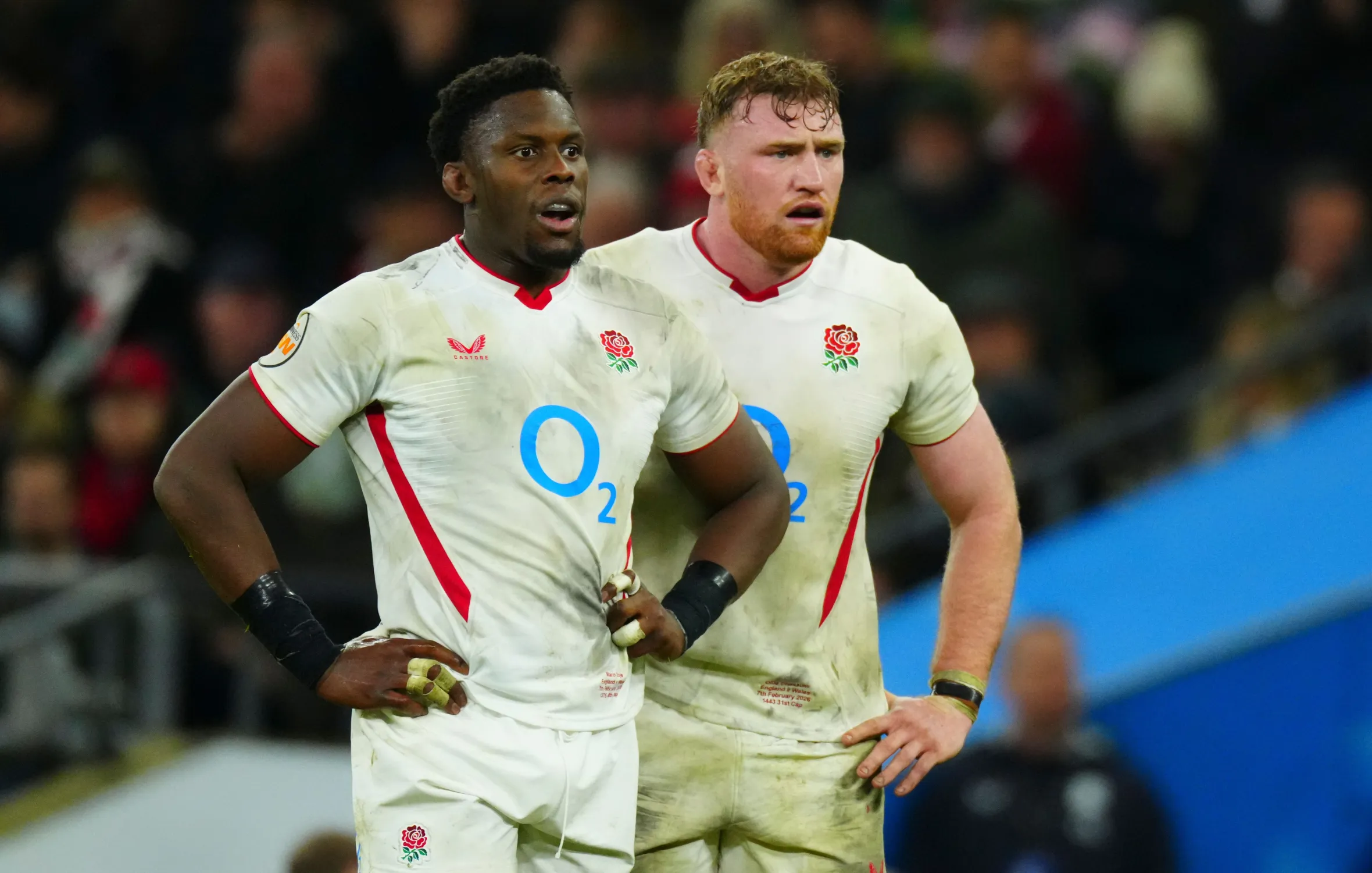 Chessum, right, has been rapidly improving in the same position as Itoje and was appointed Leicester club captain at the start of the seasonJavier Garcia/Shutterstock
What Borthwick needs isn’t a new skipper. It is the present one challenging the management throughout the build-up to an international. It is a player who stands up for his players when the management are delivering those one-dimensional game plans.
Younger players being given responsibility to “drive the team” isn’t a threat — as has been suggested — to Itoje’s captaincy, it is the sort of assistance any skipper needs. Second-row forwards spend time with their head up colleagues’ backsides and their bodies battered in the clatter of the breakdown. Scrum halves and fly halves are the obvious assisting decision-makers.
That’s why Borthwick placed so much faith in George Ford before he swapped him for the more youthful Fin Smith. The England No10s stumbled from bad execution to mediocre decision-making. It doesn’t help other “team leaders” to be awash with confusion, from selection through to blindly following cautious game plans.
Think of team leaders as arrow heads. The captain is the apex needed to express players’ concerns and thoughts to management before games. During the game, experience, intelligence and a winning way with a referee is vital. Itoje has two of these three requisites. He’s clever enough to master ref PR before the World Cup. On the field, for all the excellence of the other locks, England have their leader to take them to 2027.