
Both the National Trust and Suffolk Wildlife Trust (SWT) fear that the abundance and diversity of wildlife in Suffolk will continue to decline, despite the county being home to “beautiful beaches, nature reserves and heathlands”.
The charities have cited the impact of energy infrastructure developments which have “changed the landscape,” such as Sizewell C, offshore wind farms and solar farms.
A poll by independent research agency More in Common revealed that seven in 10 people in the east of England said the Government cared less about restoring nature than they did, while less than a fifth said the Government’s care towards nature was in line with their own.
An SWT spokesman said: “Suffolk’s wildlife is as beautiful as it is unique. But it’s fragile too, and we canʼt take it for granted. Weʼve lost so much nature, protecting whatʼs left isnʼt enough.
The turtle dove is being threatened by pollution, development and climate change (Image: Archant)
“At a time when this Labour Government should be doing more to help nature, they’ve been pitting nature and the economy against each other in their misguided attempts to unlock growth.
“A healthy, sustainable economy doesn’t need to come at the cost of nature. The two can be achieved together with longer-term strategies.
“This is why it’s so important for nature-lovers to speak up – just as we, and now National Trust, are encouraging people to do in Suffolk.”
Concerns have also been raised about the survival of the lungwort (Image: Archant)
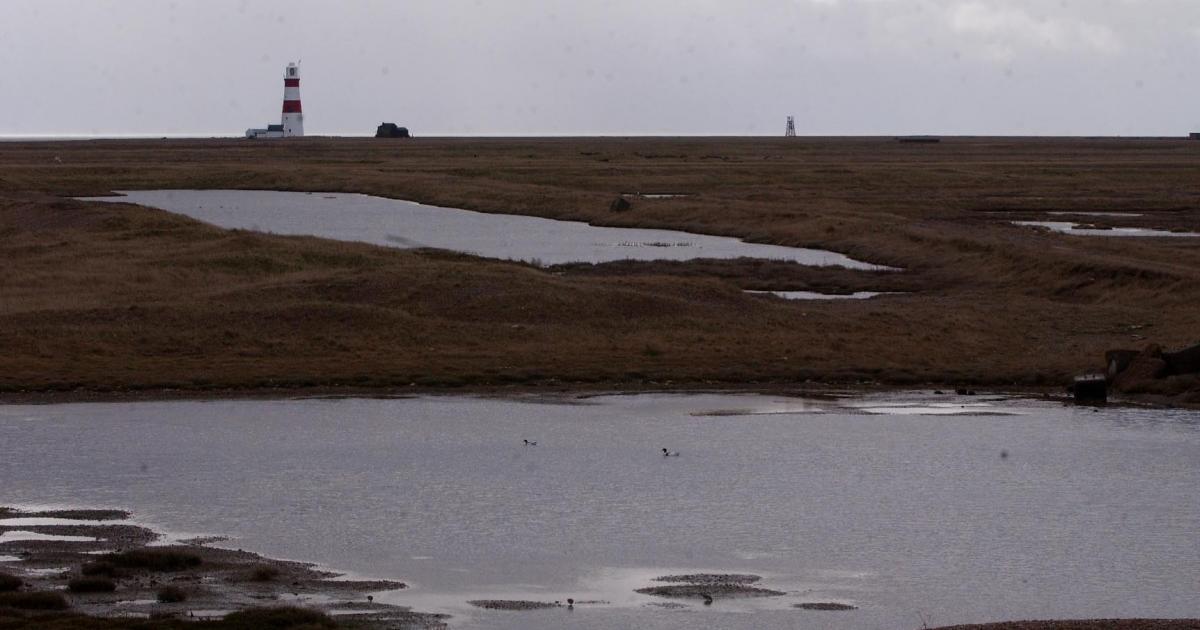
The National Trust cares for prominent Suffolk nature sites, including Orford Ness, Dunwich Heath, Pin Mill and Sutton Hoo.
Paul Forecast, regional director of the National Trust, said: “People in Suffolk feel a deep affinity with nature and want to see it protected and restored.
“Because while we have amazing landscapes in Suffolk, too often nature is missing from people’s everyday lives, especially in our towns and villages, and wildlife has limited opportunities to thrive.
Dunwich Heath is another site owned by the National Trust (Image: Archant)
“The introduction of a Local Nature Recovery Strategy last year was a positive step, but nature in Suffolk is also affected by decisions being made in Westminster, so we need positive action at a national policy level.”
The developments were said to threaten rare species, such as the turtle dove, lungwort and natterjack toad.
The National Trust is calling on the Government to restore nature now, by managing 30 percent of land for nature by 2030, defending nature and wildlife by not weakening laws and demanding that new neighbourhoods are rich in nature.
Steve Mannings, head of ecology for Sizewell C, said: “Sizewell C will deliver significant and lasting environmental benefits for the region, increasing biodiversity by at least 19%.
“We’ve already established three new nature reserves around Leiston, which are three times larger than the permanent footprint of the power station, and when the project is built, the vast majority of construction areas will be restored to nature, ensuring long-term benefits for both people and wildlife.
“During a visit from Natural England last year, chair Tony Juniper described our project as ‘nature positive’ and one that shows how nature can flourish alongside infrastructure.
“Last year, we also announced a new £78m environmental charity, East Suffolk Trust, which will provide grants to local organisations for decades to come – and which aims to make east Suffolk the most ecologically diverse and resilient area in England.”