
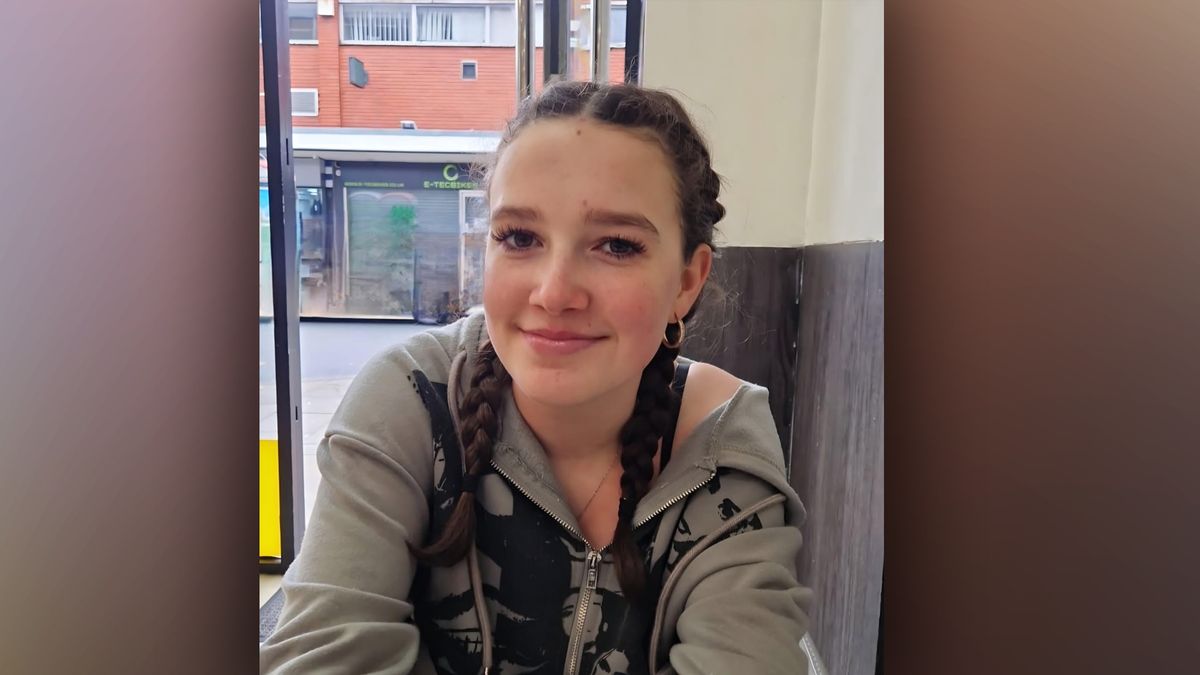
The mother of a teenage police cadet who died following a battle with a rare immune disorder and aggressive cancer has spoken of her heartbreak.
Alyssa Ashcroft’s loved ones said she was a ‘funny, caring and incredible’ young woman who never stopped smiling despite months of gruelling treatment.
The 15-year-old, from Wigan, died on April 12 following a months-long battle. The Deanery Church of England High School student was also a proud member of the Greater Manchester Police Volunteer Police Cadets in Wigan.
Click here to get the biggest stories straight to your inbox in our Daily Newsletter
Force bosses said she was ‘everything a cadet should be’. Alyssa passed away after complications linked to a rare genetic immune disorder – CTPS1 deficiency – which left her body unable to fight certain viruses.
The condition later triggered an aggressive form of lymphoma. Doctors exhausted every possible treatment, including a bone marrow transplant from her mother, Louise Taylor.
The 40-year-old said she wants her daughter’s story to raise awareness of bone marrow donation. She said of her daughter: “She was just amazing. Even when she was so poorly, she never stopped being herself.”
What initially appeared to be glandular fever last summer quickly turned into every parent’s worst nightmare, Louise said. After becoming increasingly unwell, Alyssa was rushed to hospital, before being transferred for intensive care.
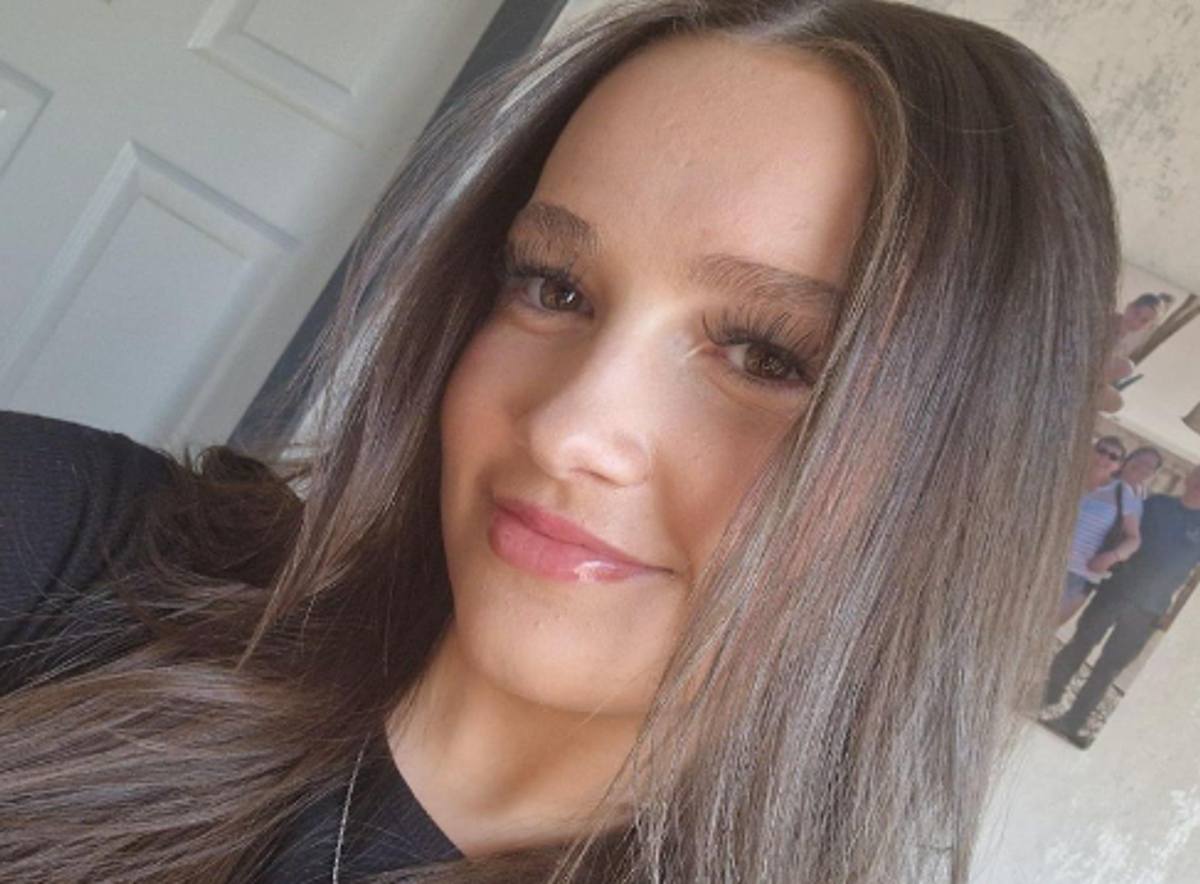
Alyssa Ashcroft(Image: GMP)
She was diagnosed with hemophagocytic lymphohistiocytosis, a rare and life-threatening condition that causes the immune system to attack the body. “She just got worse and worse,” Louise added.
Further testing revealed Alyssa had CTPS1 deficiency, a rare immune disorder. The condition meant her body could not properly fight the Epstein-Barr virus (EBV), the virus that causes for glandular fever.
Doctors told the family her only hope was a bone marrow transplant. For months, Alyssa endured relentless treatment; hospital stays; medication rounds; and procedures. All while trying to live a normal, teenage life.
Despite everything, Louise said her daughter showed remarkable strength. “She took everything in her stride,” she added. “She stayed positive for everybody else.”
Friends and family said Alyssa remained determined, caring and thoughtful throughout her illness. Louise said music and singing were a huge part of who she was.
She said Alyssa would often have music playing in her hospital room and would singing along or dance, despite everything she was going through.
GMP Cadet lead sergeant Darren Hall previously said: “Alyssa was a very keen cadet. A lovely young lady who was liked by all – she was everything a cadet should be, and we are proud she was part of our policing family.”
As the family prepared for a lifesaving transplant earlier this year, their hopes were shattered when scans revealed Alyssa had developed an aggressive lymphoma caused by the EBV virus changing cells within her body into cancer.
A donor had initially been found in Brazil, but as Alyssa’s condition deteriorated and the risks increased. Louise stepped forward to donate her own bone marrow in the hope it would give doctors more options.
For a brief period, there was hope. The transplant appeared successful. After months in protective isolation – enduring the devastating side effects of chemotherapy and treatment – the family finally began talking about bringing her home.
But just weeks later, Alyssa began suffering severe headaches. Scans showed the lymphoma in her brain had become more aggressive, causing dangerous fluid build-up and forcing her back into intensive care.
Despite doctors continuing chemotherapy and trying every possible treatment until her final hours, the cancer spread too quickly to stop.
Louise said the family is now determined to raise awareness of the importance of bone marrow donation, saying many people don’t realise how life-changing it can be until it impacts someone they love.
“One donor can save someone’s life,” she said. Throughout Alyssa’s illness, the family was supported by charities and hospital staff who helped them survive the unimaginable reality of living between wards, treatment rooms and intensive care units.
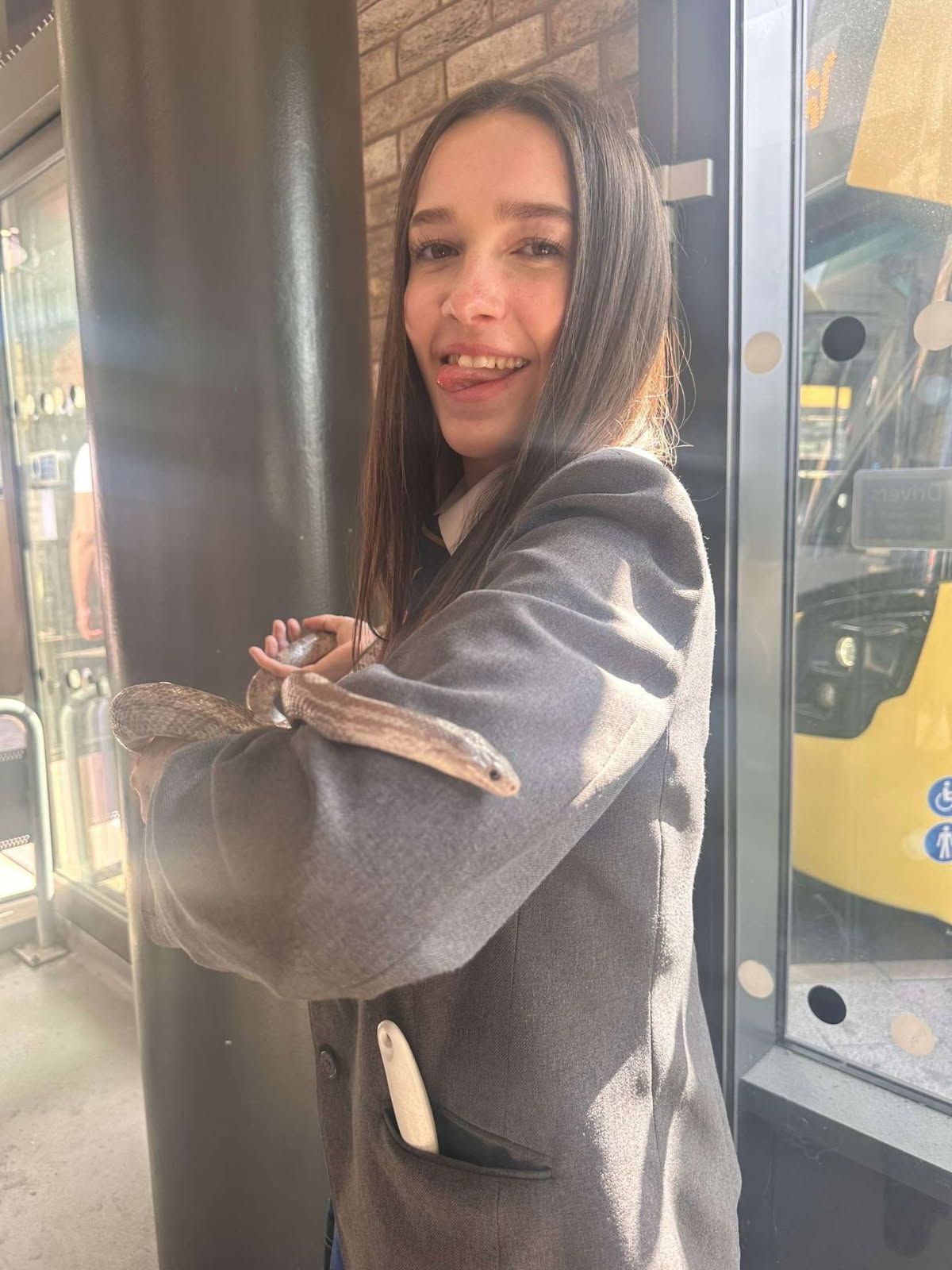
Alyssa at school
Louise spoke emotionally about the support they received from Ronald McDonald House Charities, which provided the family with somewhere to stay close to the hospital so they could remain together during Alyssa’s treatment.
“They helped us massively,” she said. “Without them, it would have been so much harder.”
Following Alyssa’s death, the family was also supported by Derian House Childrens Hospice, which gave her loved ones precious time to sit with her, hold her and say goodbye together – moments Louise said were incredibly important after so much of her treatment had been spent in hospital isolation, with her siblings unable to visit.
She said it allowed Alyssa’s siblings the chance to spend meaningful time with their sister in peace, something the family desperately needed after the trauma of the previous months.
A GoFundMe page has since been set up to help support the family after the funeral and ease some of the financial pressure during what Louise described as the most difficult time of their lives.
Although devastated by their loss, Louise says she wants people to remember Alyssa not for her illness, but for the joy she brought to others.
“She was funny, caring and so loved,” she said. “We’re just so proud of her.”
Alyssa leaves behind her family and siblings Ciara, 20, Daniel, 12, Albie, 8 and her two twin step sisters Poppy and Isla, 6.
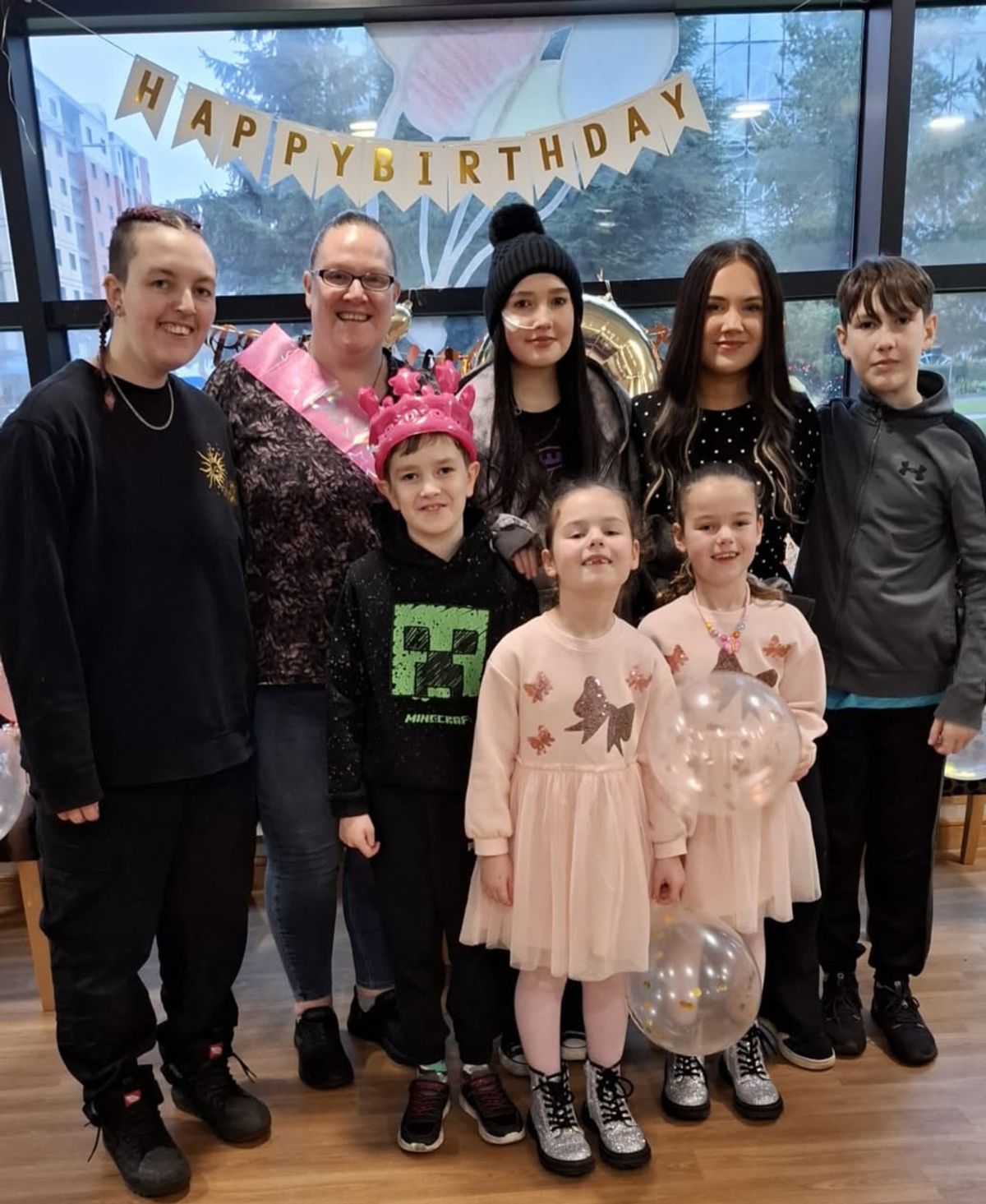
Alyssa and her family