
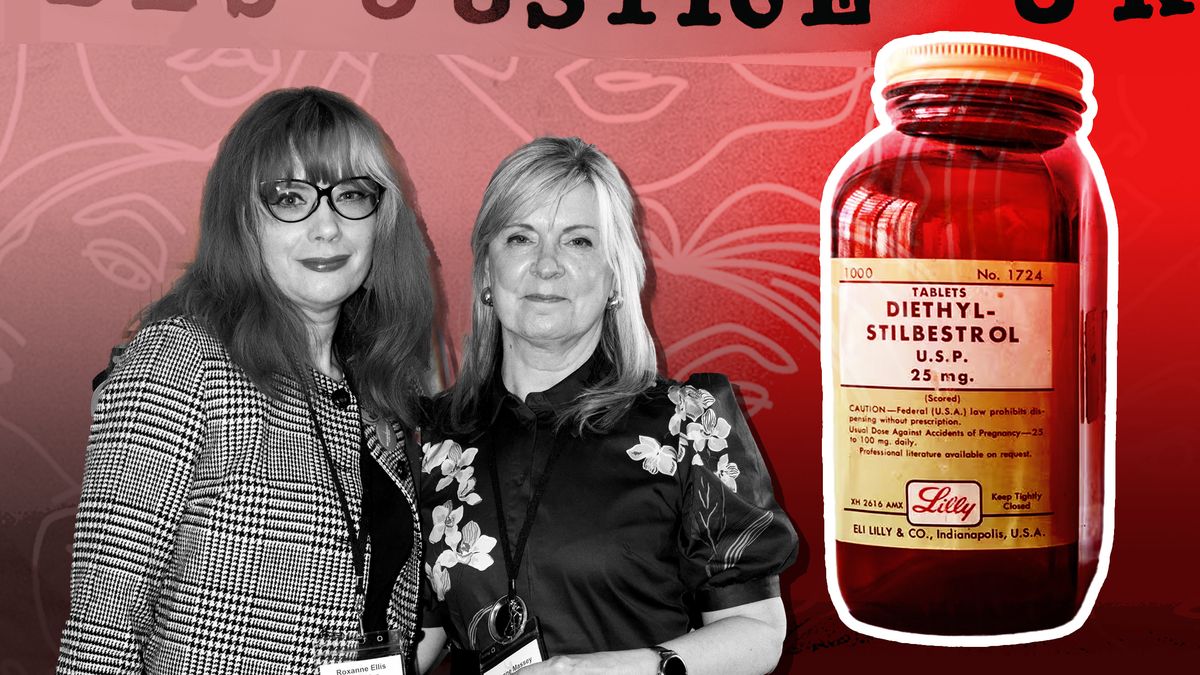
UK government has apologised to the victims of the DES scandal and said is now looking at ways to better support women and their families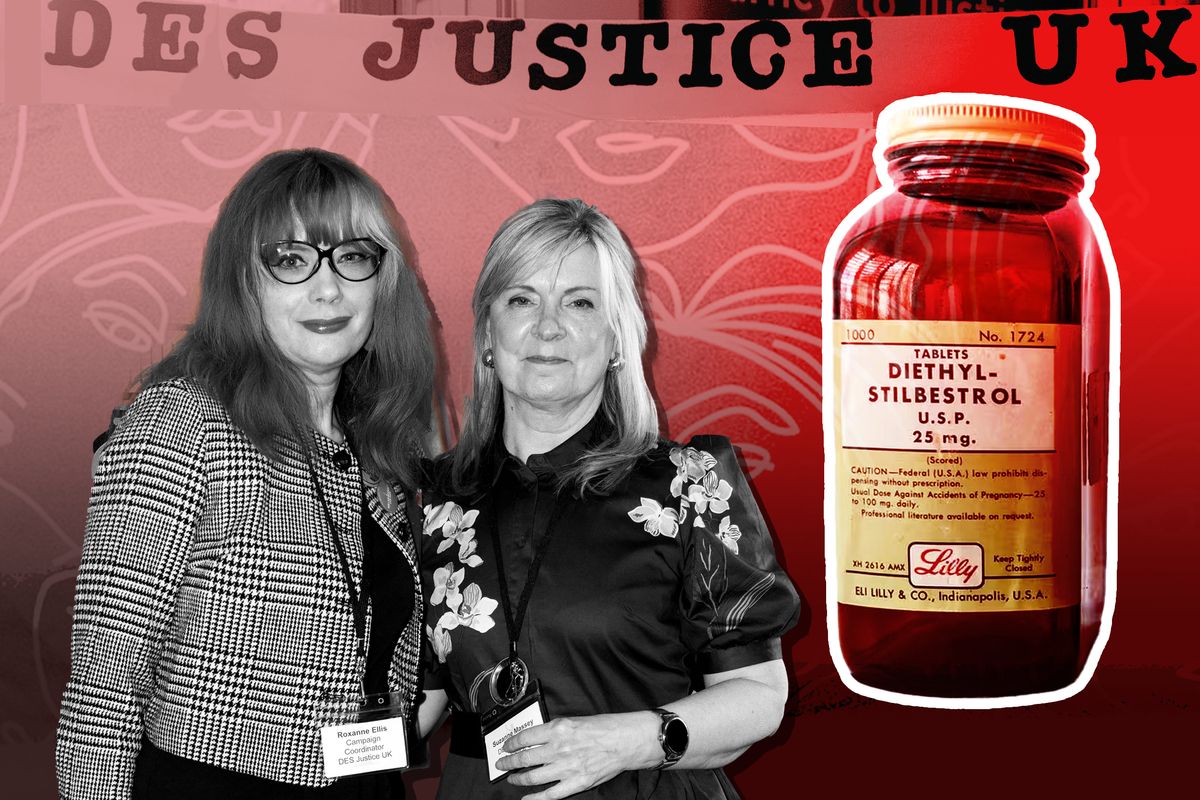
Suzanne Massey (right), with her DES Justice UK colleague (left), at Liverpool Town Hall(Image: Liverpool ECHO)
“This drug kills”, says Suzanne Massey, “I lost my mum when I was just 22 to ovarian cancer. She suffered horribly and it is likely her death was linked to DES.”
Suzanne, from Liverpool, is describing the ongoing and generational harm associated with one of the UK’s biggest pharmaceutical scandals, centred around an anti-miscarriage medication called Diethylstilbestrol (DES).
DES was marketed as a “wonder drug” to prevent miscarriage and promote healthy babies, and was prescribed to approximately 300,000 women in the UK, from the 1940s to the early 1980s.
It was created as the first synthetic oestrogen by Sir E. Charles Dodds and his team, but was not patented because the discovery was funded by the British government. The policy of government-sponsored research being ‘available to all’, meant pharmaceutical companies were able to access a drug that was cheap and easy to produce.
Authorities were raising concerns about DES as far back as the 1930s, but despite early evidence of harm, including links with higher-than-usual rates of cancer, DES continued to be prescribed to UK women for more than four decades.
Multiple studies have found links between DES-use and a rare form of cervical cancer, as well as vaginal and breast cancers. Furthermore, medical experts suggest that the children who were exposed to DES in the womb have a heightened risk of abnormalities in their reproductive system, causing infertility and pregnancy complications.
To raise more awareness about the impact of DES, Suzanne is sharing her story, and detailing the devastating impact it has had on her life. She said: “When my beautiful mum was pregnant with me in 1969, she became unwell, and was prescribed DES because it was marketed as a ‘wonder drug’ to prevent miscarriage and promote healthy babies, so I was exposed to the drug in utero.
“It’s fair to say the drug began affecting me as my organs were just starting to form, and I always knew that something was not right with my body.
“At 13 I haemorrhaged severely and from that point on, I can only describe what felt like an alien force in my body. As a result, my body had not developed as it should and my reproductive system was compromised.
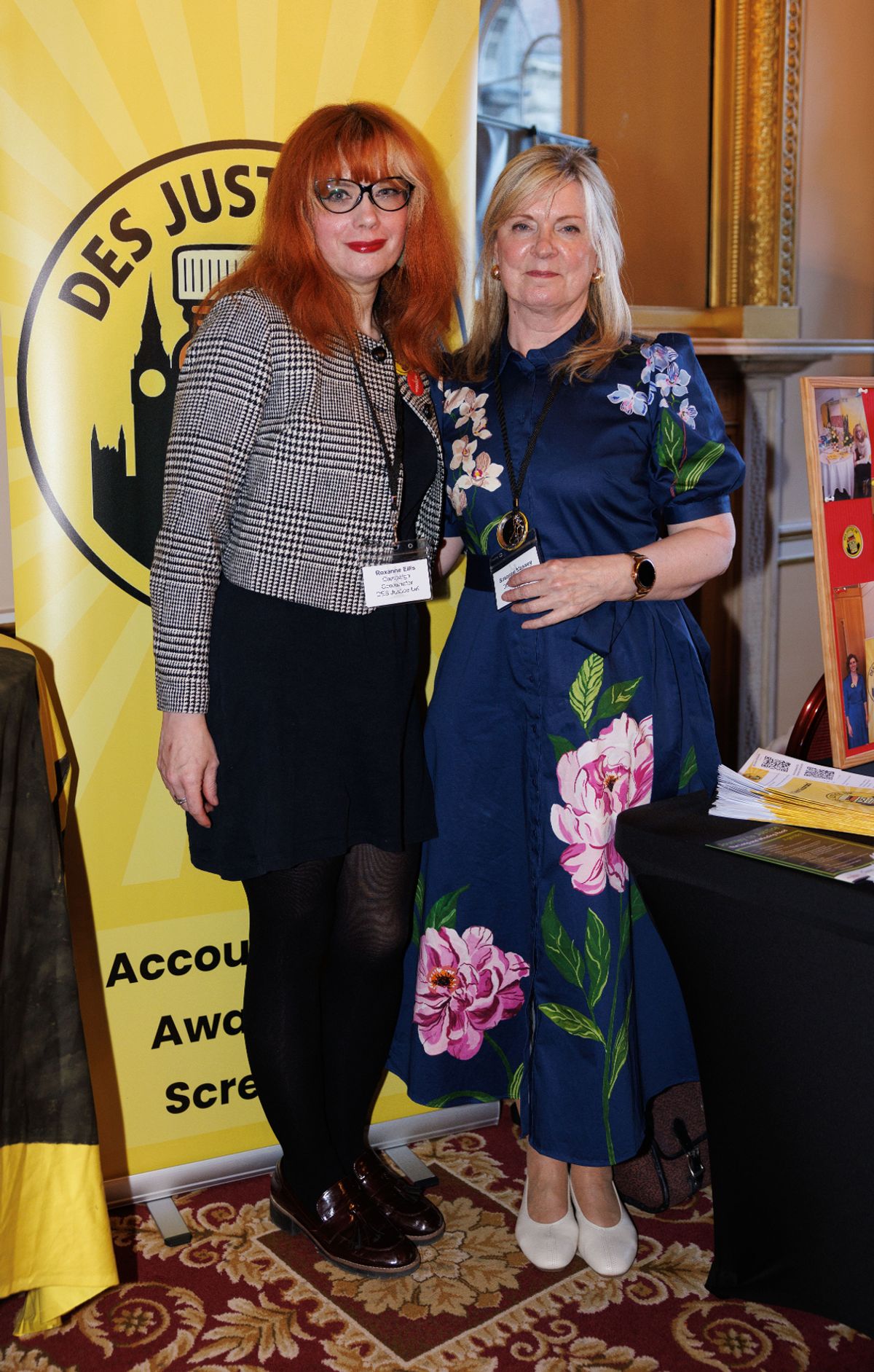
Suzanne Massey (right), with her DES Justice UK colleague (left), at Liverpool Town Hall(Image: Liverpool ECHO)
“Over the years I’ve had frequent hospital visits and undergone over 30 procedures, some of them quite barbaric. One of the procedures left me needing plasma transfusions and traumatising aftercare.
“This drug has cast such a large shadow over my life, and I and other sufferers of this drug, live with the risk we will develop clear cell carcinoma. As a DES daughter, I am 40 times more likely to contract this cancer.
“The cells that cause this cancer grow inside the reproductive area and have to be removed in a procedure that has made my gynaecological organs so weak, that eventually they had to remove them completely. Despite this procedure, I still have to be monitored for the rest of my life.
“I do not have children. I have walked away from the career that I loved due to the time needed to recover after procedures. This has taken away part of my life and I will never get that back.”
Suzanne is one of the founding members of DES Justice UK, an organisation which has joined the Hillsborough Law Now coalition, helping to support the campaign of getting the bill passed, and use the legislation for its intended use – to achieve truth, justice and accountability.
She added: “We demand a public inquiry. It is the only way to get behind the concrete wall in front of us.
“When real credible evidence emerged of its danger and cancer risks, the UK lagged behind the rest of the world in withdrawing it.
“The medicines health regulator persisted with a false statement that they had issued a letter advising against the drug for 25 years. Last year they admitted no such letter existed.
“[Health Secretary] Wes Streeting has said he is sorry, admitted the government ‘got it wrong’, but we demand to know more, we deserve to know who knew what about this drug, and why they failed to act.
“The government can’t take away the guilt of mothers who took this drug in good faith, who are no longer with us, they can’t erase the cancers and the pain, but they can work towards telling us the truth, and they can commit to adequate screening.
“We know it causes breast cancer in the mothers who took it, rare vaginal, ovarian, cervical and womb cancer in the daughters, and gynae abnormalities and infertility in the sons.
“Abnormal cells, infertility and reproductive conditions are now emerging in the next generation – people’s grandchildren.”
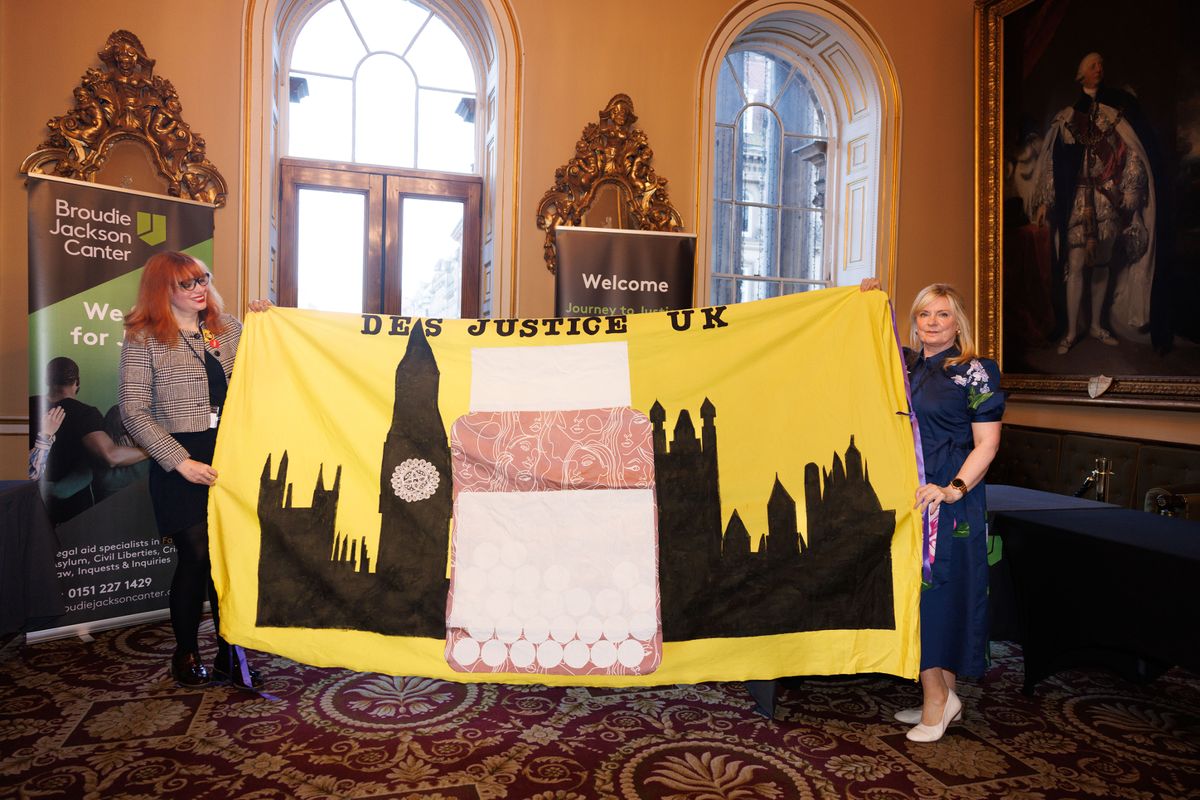
Suzanne Massey (right) holding the DES Justice UK banner, with her colleague (left), at Liverpool Town Hall(Image: Liverpool ECHO)
Suzanne was speaking at Liverpool Town Hall on Thursday, April 30 at Broudie Jackson Canter’s ‘Journey to Justice event’ where Justice North, a new division of the cross-party law reform charity JUSTICE, launched its first annual report.
DES Justice UK is working with Clare Fletcher, Partner and Major Inquests & Inquiries solicitor at Broudie Jackson Canter who told us it’s time to demand answers around clinical awareness, data recovery (all the records are missing) and increased screening.
Ms Fletcher said: “This is called the ‘Silent Scandal’, and I am committed to pushing this government until these women get the answers, and support, that they deserve. This group have found their voice, and they are not going anywhere.”
The ECHO also contacted the Department for Health and Social Care about DES Justice’s campaign, a spokesperson told us: “There are harrowing accounts of harm caused by the historic use of Diethylstilbestrol (DES).
“Some women and their relatives are still suffering from the associated risks of this medicine which have been passed down a generation and haven’t been supported.
“The Secretary of State [Wes Streeting] has been looking seriously at this historic tragedy and carefully considering what more the government can do to better support women and their families who have been impacted.
“NHS England has alerted all cancer alliances to this issue so that healthcare professionals are aware of the impacts of DES and the existing NHS screening guidance which sets out the arrangements for those who show signs and symptoms of exposure.”
DES campaigners are calling for better training for medical professionals to better understand and recognise DES-related health risks, citing a lack of education around the issue, resulting in women being ’embarrassed and humiliated’, and desperately trying to get treatment.
Suzanne said: “Women have suffered unnecessary and painful treatments, not able to access adequate screening and have been victims of medical misogyny.
“However I feel like I am one of the lucky ones. Others have not been so lucky as myself. We have all suffered painful unnecessary treatment and a lack of surveillance.”
Suzanne concluded: “DES has not destroyed me as a person, I truly hope it hasn’t destroyed my fellow survivors.
“I am very positive and I find joy in the little things in life. I recently met with DES survivors and it was joyful moment and my heart was full. It has been a lonely journey for us all and now we have each other for support.
“I will not let DES define me and I will keep campaigning with the survivors of DES until we get answers.”