
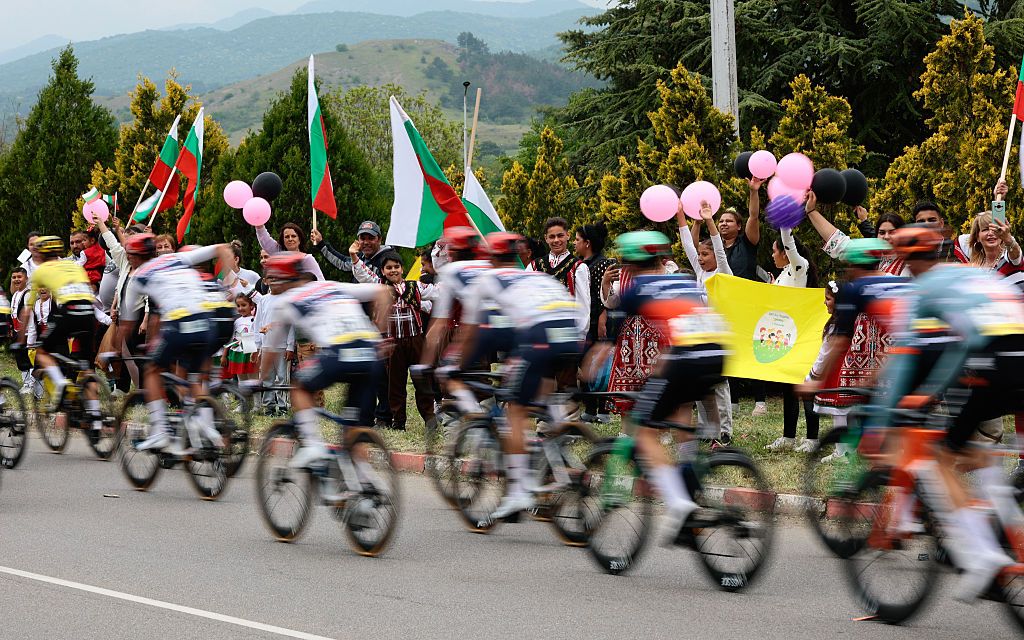
When former Giro d’Italia winner Jai Hindley was asked to give his thoughts on La Corsa Rosa starting in Bulgaria in 2026 back in December, all he could come up with in the way of a description was “pretty random,” and for the next five months until the actual start, that felt appropriate.
2,000km from the race’s home nation, and yes, with some established cycling culture in the way of bike touring, but its lack of involvement in the professional ranks and uncertainties over road quality and the painfully long transfers – some 550km to cover in the three days – made it questionable as a choice. That is not to disrespect the 2.2 Tour of Bulgaria stage race, but without a Continental team or any male pros in the current peloton, the link between Bulgaria and the Giro was hard to see.
Latest Videos From
You may like
Image 1 of 6
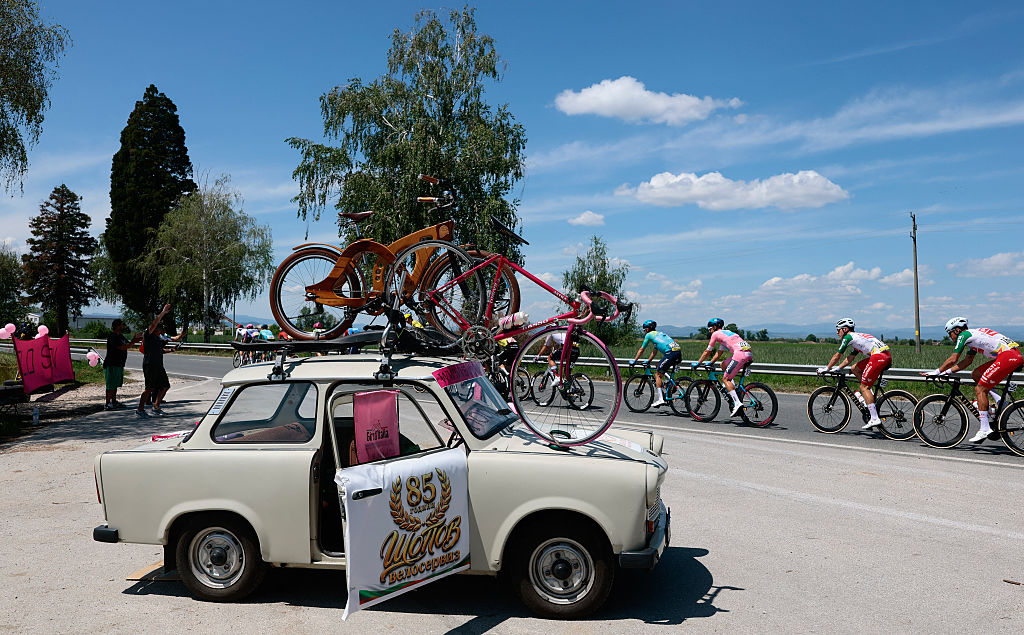
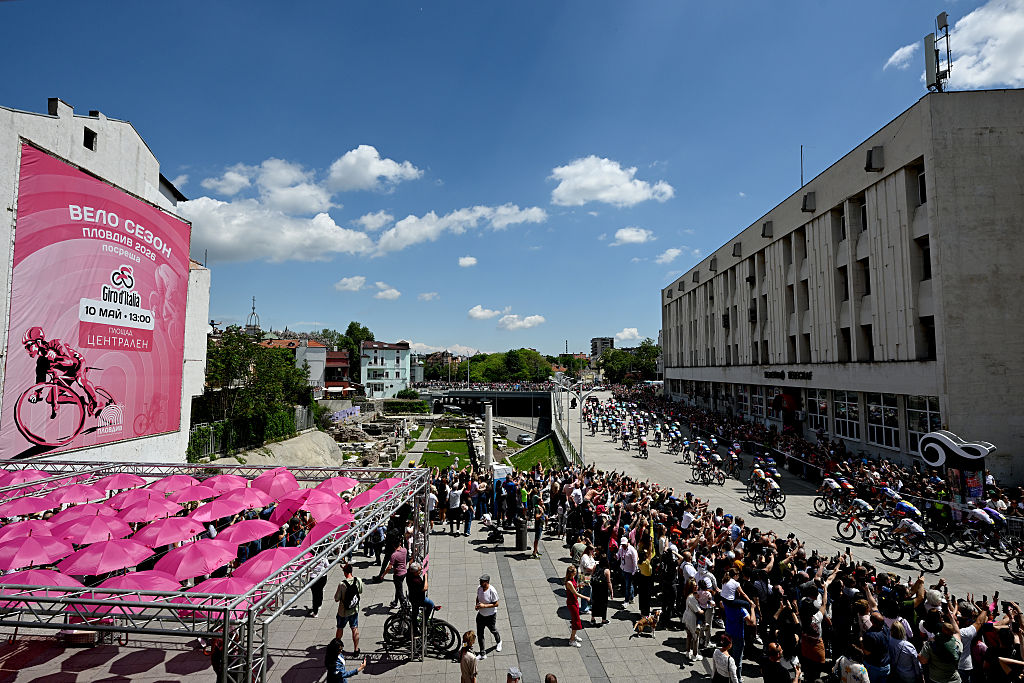
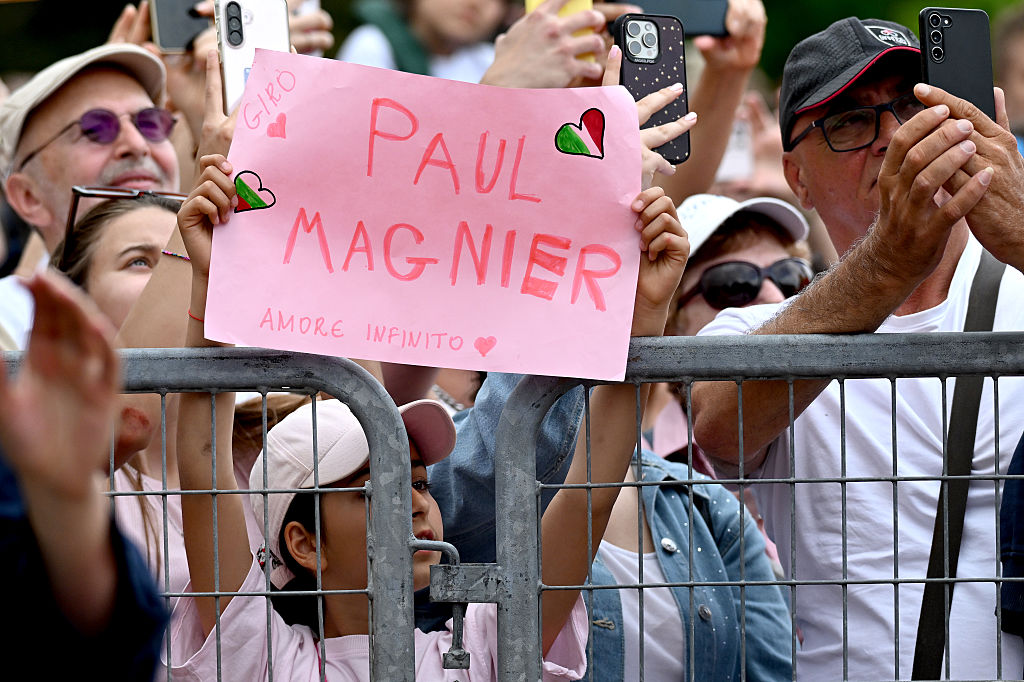
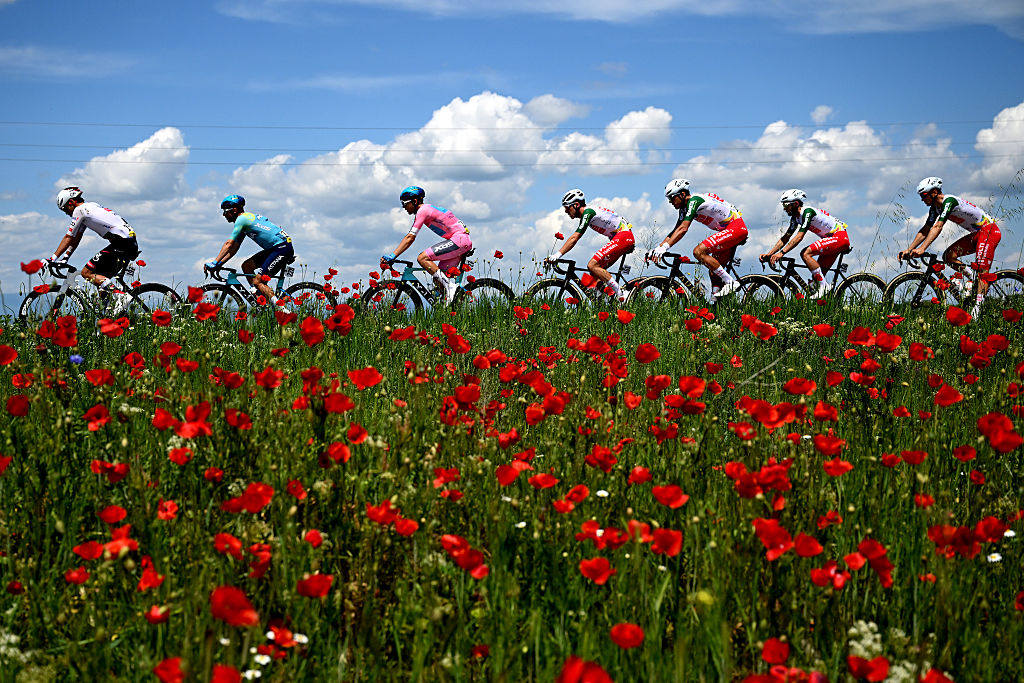 Images of the crash and neutralisation have perhaps overshadowed more scenic and celebratory photos like these(Image credit: Getty Images)
 (Image credit: Getty Images)
 (Image credit: Getty Images)
 (Image credit: Getty Images)
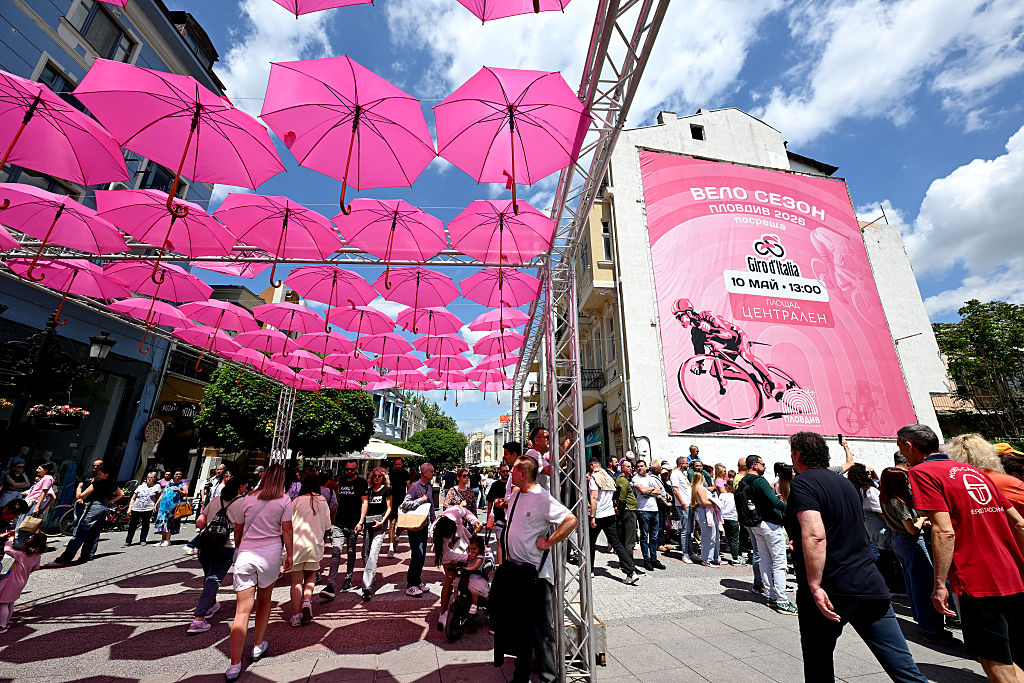 (Image credit: Getty Images)
 (Image credit: Getty Images)Lidl car parks and fan-lined roads
Before these past seven days, all I knew about Bulgaria was Hristo Stoichkov and the party destination Sunny Beach, but there’s much more to be seen.
James Moultrie
Staff Writer
James is on the ground covering the first two weeks of the Giro d’Italia for Cyclingnews, and his second foreign Grande Partenza in as many years after a trip to Albania last May.
Arriving in Burgas airport five days prior on a fairly empty evening WizzAir flight didn’t exactly fill me with the feeling that the buzz for Giro was coming to Eastern Europe, but a small pink banner for the race in arrivals was a small sign of the madness to come.
As was the taxi driver, who drove a colleague and me to where we were staying in Ravda, asking us if we knew that the Giro d’Italia would pass by this town in a few days – granted, this only came after he’d kindly informed us that if we wanted a full English breakfast during our stay, we could simply ask any eatery in the town and name our time. A fair assumption.
But as the teams and riders arrived, the build-up was on, and one of the only teams to host a pre-race press moment, Lidl-Trek, had managed to mobilise the locals. A giant inflatable kit, eight of the top riders in the world and a few gazebos filled with red, blue and yellow merch in your local Ravda Lidl’s car park, what more could you want?
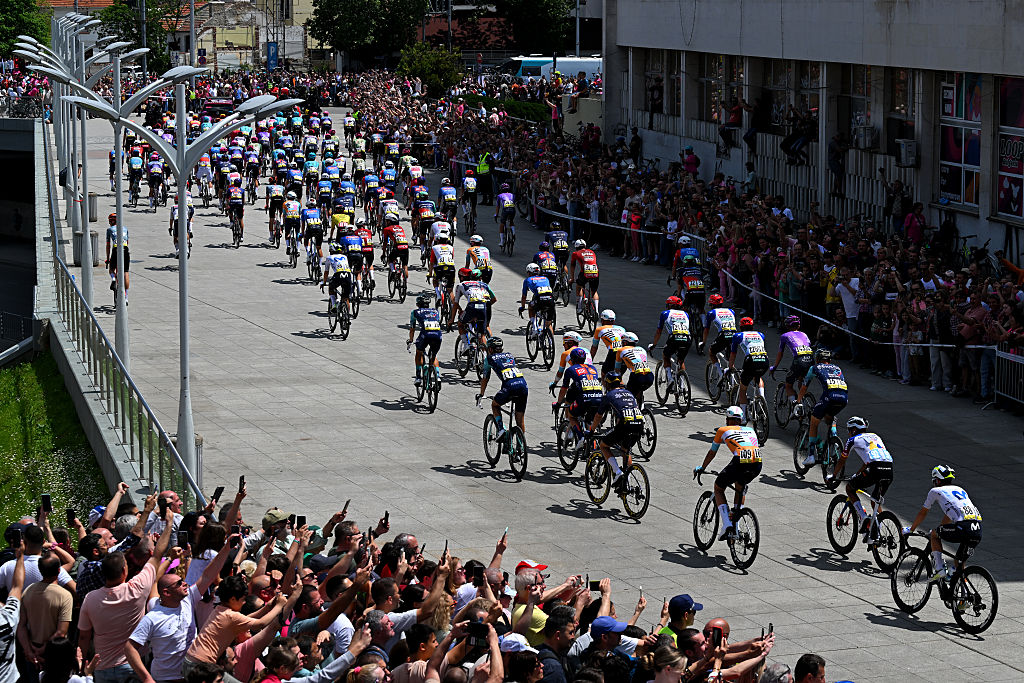
If crowds at the supermarket event were big, then the hordes of fans who saw the riders out from the ancient town of Nessebar and welcomed them back into Sofia after three full stages shouldn’t really have been a shock.
The highlights, however, were the four fans dressed as flamingos who greeted the breakaway on stage 2, all of the pink afros seen on the Vratnik Pass, and the recently married couple, who got to enjoy some photos with the peloton in the background.
What to read next
I was in Tirana for the Albanian Grande Partenza 12 months ago, and this felt markedly different, with national elections in the Balkan state taking up most of the population’s attention when the Giro came. Roads seemed quiet, and though it was much closer to Italy, just a short ferry across the Adriatic and with much more historic links, it didn’t captivate the locals as it did in Bulgaria.
Whether a lasting legacy or inspiration for the next generation – aims which are thrown around for every foreign start – will actually materialise is hard to say, though it’s perhaps a moot point now, as Sofia and Bulgaria won’t be forgotten. But the road to the centrepiece ending was far from smooth, and part of that memory may be a sour one due to two big incidents.
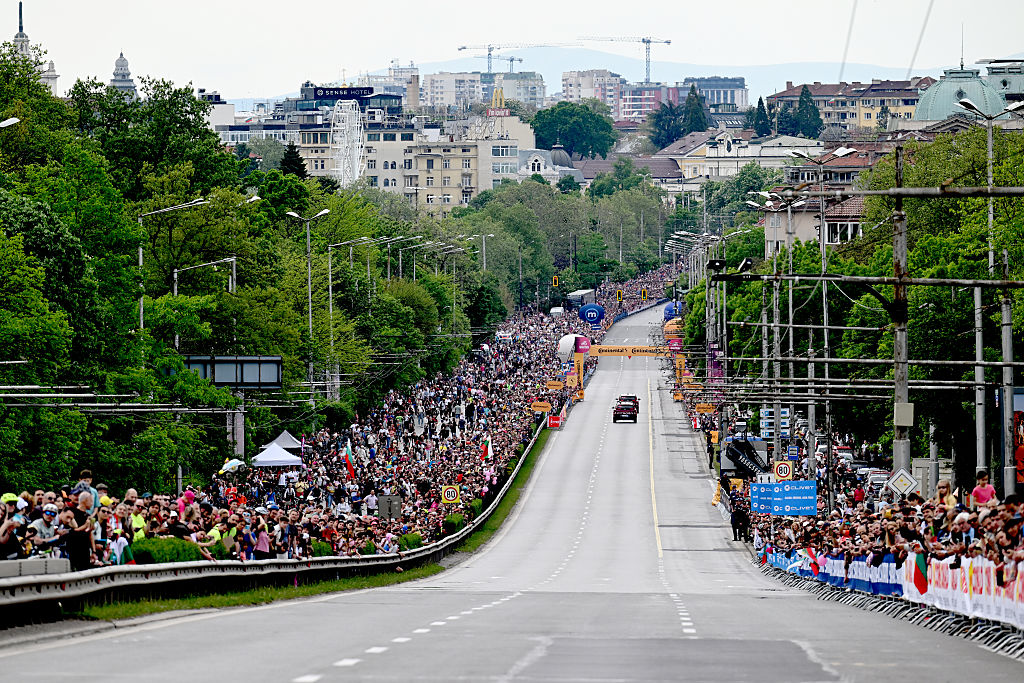
Large crowds lined the roads in Sofia on Sunday (Image credit: Getty Images)Crashes take the shine off Grande Partenza
Nobody wants crashes, of course they don’t, but a foreign host of a Grande Partenza especially doesn’t want them to take away from the event of the racing. Questions are immediately raised over the road quality, road safety, and the capability of the host to protect the stars of the show.
Footed barriers and a sharp narrowing of the peloton from three lanes down to one on the opening day provided the perfect storm for a mass crash, with several of the challenging sprinters coming down in a pileup towards the front of the bunch, holding up most of the 184 starters.
With only 10 or so arriving at the line together, it wasn’t quite what everyone was expecting, and though Bulgaria will take some of the blame for what happened, it’s the organisers and the UCI who would have combined to create the potentially dangerous route to the line. One rider had to leave the race, but it was far from the total disaster it could have been if more of the group had come down at such high speeds.
But that’s exactly the hit that the hosts took on stage 2, when a brutal crash on a wet descent, on a day which was 80% dry all the way into Veliko Tarnovo, saw one UAE Team Emirates-XRG rider slip out, causing around 30 total riders to hit the deck.
Not only this, but they then slip towards an exposed guardrail, with no protective padding, causing five riders in total to abandon across that evening and the next morning, with several broken bones and multiple concussions.
Awaiting the riders and sports directors for comment in the bus parking, they arrived in ones and twos after racing was surprisingly resumed, and all the chat among the pros was about how dangerous it was and how quickly it all happened.
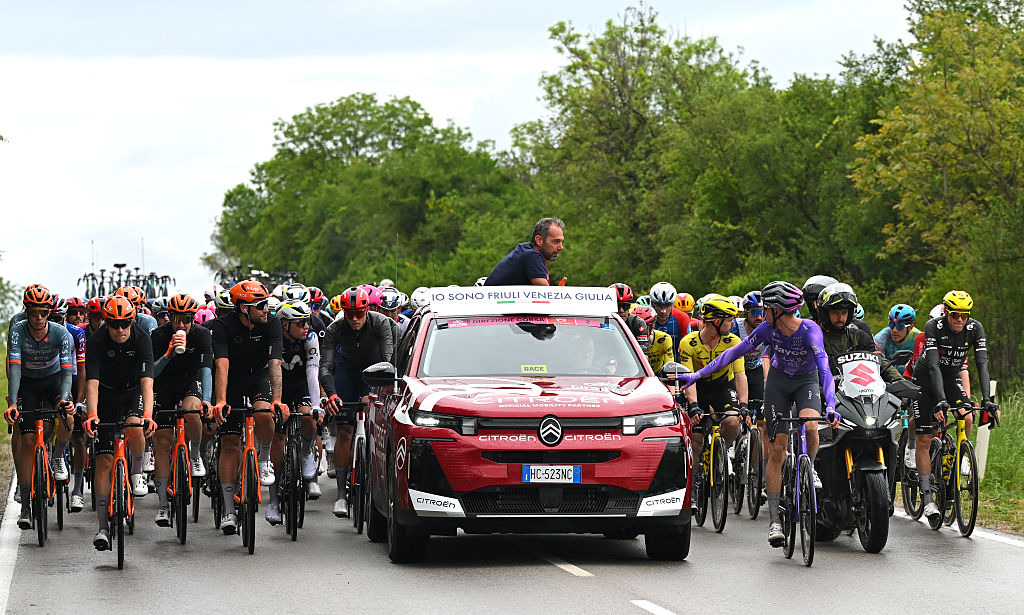
Crashes and their aftermath became the biggest talking point of the Grande Partenza, perhaps unfortunately (Image credit: Getty Images)
But wet roads on a descent are far from a thing exclusive to Bulgaria, just look at last year’s Giro and the mass crash on the wet downhill run into Naples for a recent example. Of course, on that occasion, no GC times were taken at the finish, and while that wasn’t the case here – which CPA representative Jasper Stuyven said was what the riders requested – that again falls under the remit of the race director, not Bulgaria as a host.
But what it did do was create a negative atmosphere surrounding the host nation, with riders talking of their excitement for being a step closer to Italy – hopefully they are informed of just how dangerous roads in southern Italy get when they feel a drop of rain, as it’s much of the same.
All in all, two crashes have left a slight blemish on an otherwise well-executed Grande Partenza, as I found it on the ground anyway. The Giro likely never will again, but I would certainly come back to Bulgaria, if not for the friendly people and great food, then the vast woodland landscape vistas that separate the coast of the Black Sea from its capital.
Who will challenge Jonas Vingegaard at this year’s Giro d’Italia? Subscribe to Cyclingnews for unlimited access to our coverage of the Corsa Rosa. Enjoy unrivalled reporting from our team of journalists on the ground, including breaking news, analysis, and more, from every stage as it happens, plus access to the Cyclingnews app to follow the action on the go! Find out more.