
But many people are divided over safety, enforcement and how shared spaces should work.
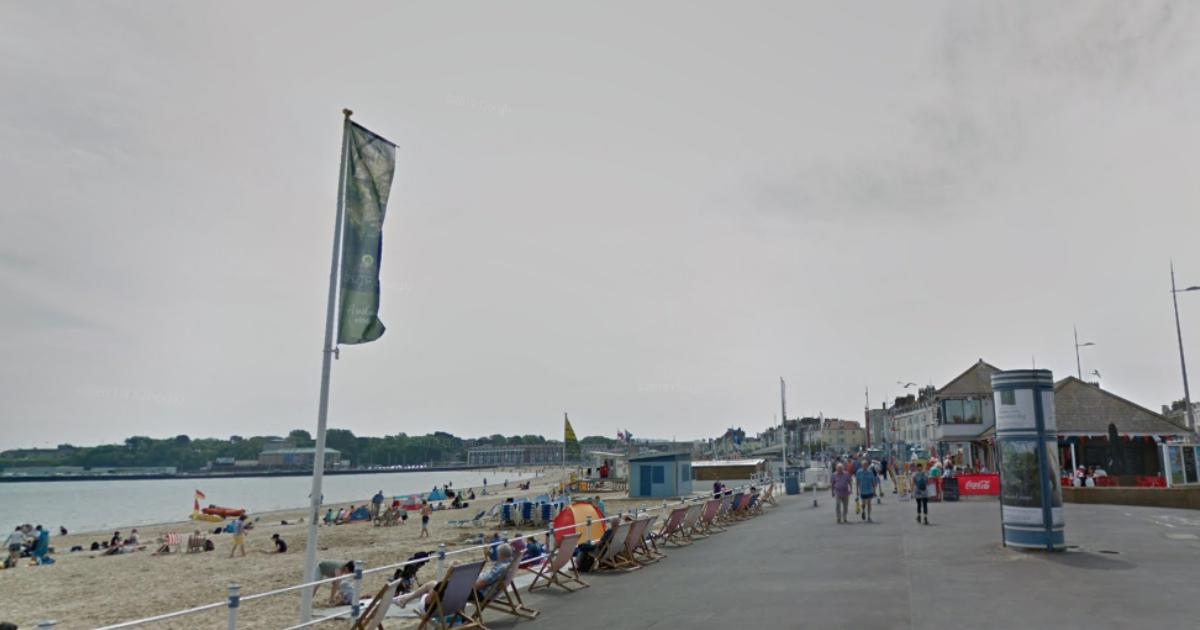
The discussion follows a reader’s letter warning about dangerous cycling along the seafront, with a cyclist flouting the Weymouth promenade ‘no cyclists’ daytime summer ban.
READ MORE: Fury over dangerous Weymouth promenade cyclist
Many responding agree that while problems exist, the reality is more nuanced than a general view shat cyclists are putting people at risk.
Some locals say the issue is being overstated, pointing out that the majority of people follow the rules.
One regular promenade visitor described incidents as relatively rare, suggesting “99% of people” respect the restrictions on cycling along the esplanade during peak times.
But others argue the real problem lies elsewhere. Several comments highlight Weymouth’s Rodwell Trail as a bigger concern, with claims that fast-moving bikes — including electric models — create a far more hazardous environment.
The Rodwell Trail at Abbotsbury Road (Image: Google maps)
One resident described it as a “lawless gauntlet” where speed and close passes are the norm, warning that serious injury feels inevitable without intervention.
A recurring frustration is the perceived lack of enforcement. Multiple commenters questioned why rules are in place if they are not actively policed, particularly during busy periods. There is a sense that without visible consequences, behaviour will not change.
“Who has the duty to enforce these rules?” one person asked, reflecting a wider feeling that responsibility is unclear.
Others suggested that consistent enforcement — rather than new restrictions — would make the biggest difference.
The debate also touches on fairness and consistency. Some questioned why certain groups are allowed on the promenade while others are not, pointing to volunteer-led cycling initiatives like Cycling Without Age that have permission to operate there.
Supporters of these schemes were quick to defend them, stressing they are carefully managed, slow-moving and prioritise pedestrians.
For others, however, the issue is less about individual schemes and more about whether rules are applied evenly. The perception of “one rule for one group and another for everyone else” risks undermining compliance more broadly, they argue.
There are also competing views about who is most at risk. While some focus on pedestrians — including families and older people — others point out that cyclists themselves are often pushed into tight, shared spaces because of traffic elsewhere. The result, they say, is a squeeze that increases tension rather than reducing it.
Personal experience adds weight to the debate. One commenter described being knocked over by a cyclist in the past and still dealing with the after-effects, underlining the potential consequences when things go wrong.
Yet not everyone agrees cyclists are the main problem. Some argue poor behaviour among pedestrians, such as blocking paths, can contribute to friction. Others say the lack of dedicated space — rather than individual behaviour — is the root cause.
A number of residents called for marked lanes to divide cyclists and walkers, particularly as the seafront continues to evolve. Supporters say this would reduce confusion, improve safety and bring Weymouth in line with other seaside towns where mixed-use routes are more clearly defined.
What’s your experience of cycling and walking on Weymouth’s promenade and the Rodwell Trail — are the rules working, or is something missing?
Tell us in the comments below