
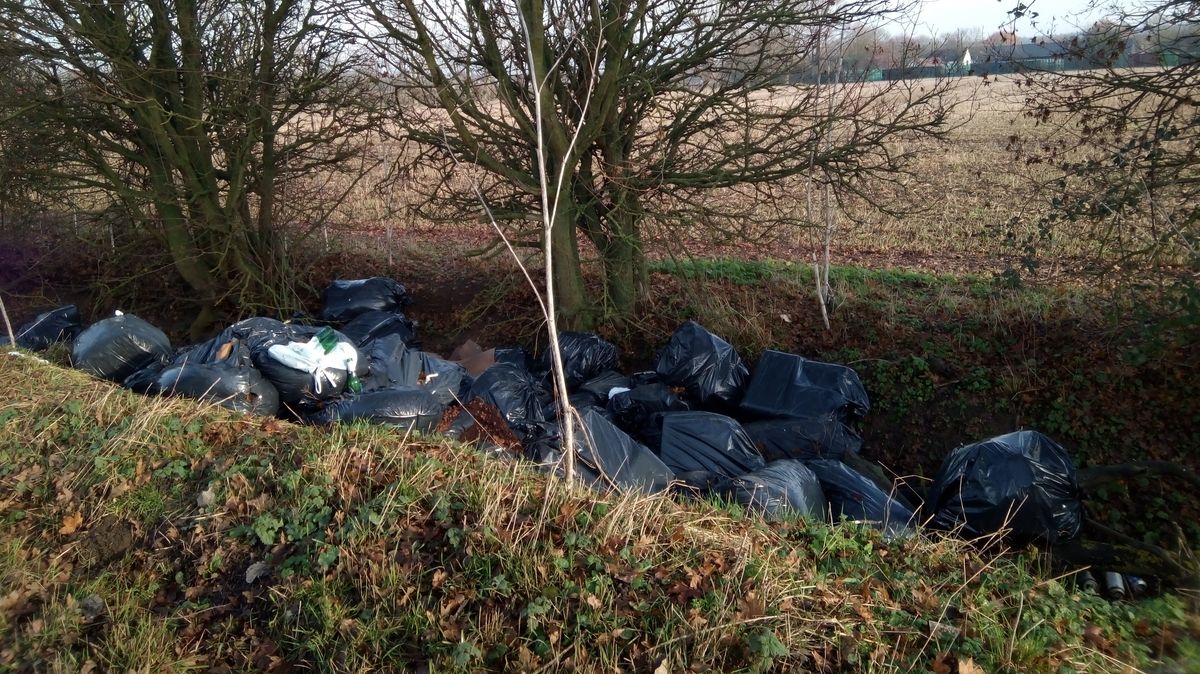
General waste collections are due to go from once every two weeks to once every three weeks in an effort to get more residents recycling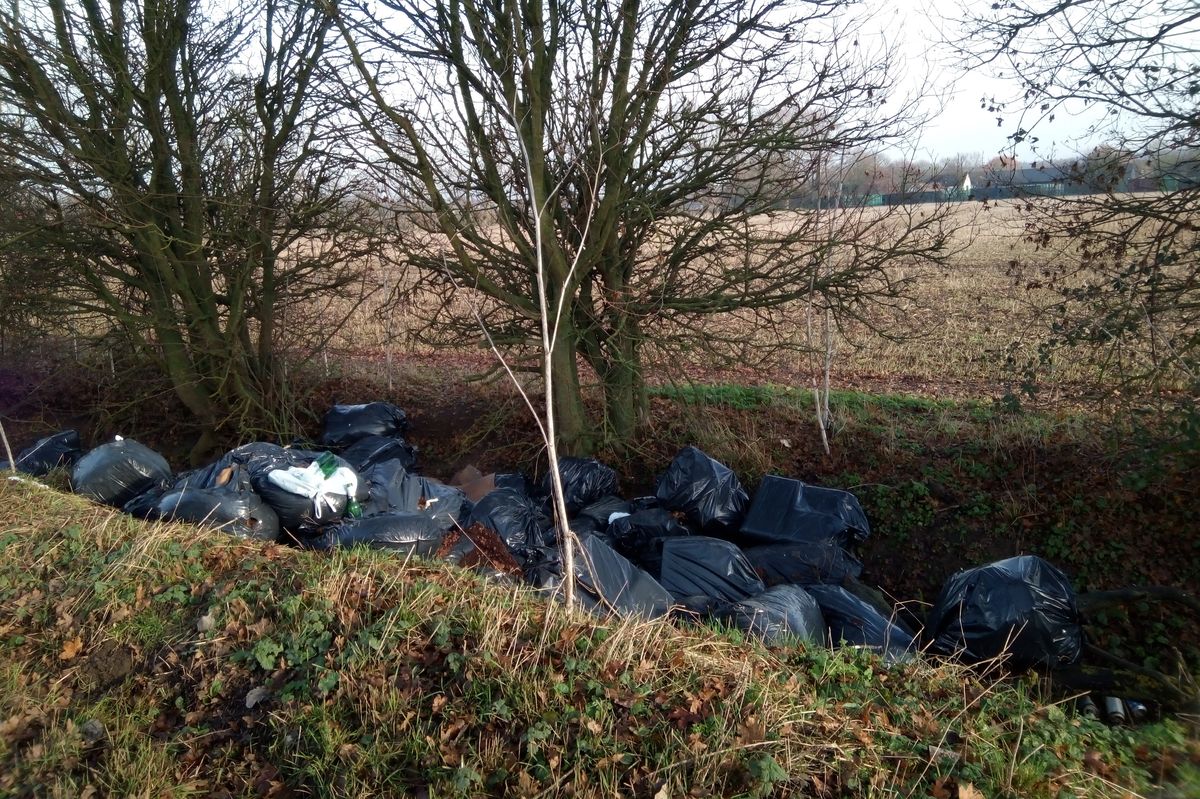
A large fly-tip in the Braintree council district(Image: Braintree District Council)
Concerns have been raised over a major change to Braintree’s bin collections in the coming weeks. Braintree District Council’s new recycling and waste collection service begins on June 1, which the council hopes will make recycling easier for residents.
The new kerbside recycling collections for glass bottles and jars, food and drink cartons, and soft plastics will begin in a few weeks alongside weekly food collections for residents living in flats.
But there are also major changes coming to general waste collections, with collections going from once every two weeks to once every three weeks. Residents worry that the change could encourage fly-tipping and see an increase in rodents.
One resident called the new scheme “laughable” and a “recipe for disaster”. Another said it was a “seriously bad decision” and added that the scheme would “encourage more fly tipping and end up costing [the council] more in the long run”.
In response to the concerns, the deputy leader of Braintree District Council, Tom Cunningham, said: “The new waste collections include a range of changes to support increased recycling and reduced waste going to landfill or incineration.
“This was important to 83 per cent of people who responded to the public consultation that was held last year. The change to 3 weekly refuse collections is being made as one part of the overall changes being introduced. That is because the research and evidence base that supported the proposals, including waste composition within Braintree District, show that with increased recycling material collections, alongside wider policy changes at a national level, there is expected to be less general waste thrown away.
“Therefore, if waste collections remained on a fortnightly cycle, many grey bins would have significant empty space left in them, on collection day. This would not be cost-effective, or efficient, for Braintree District Council to deliver as a waste collection service. There is also no evidence to suggest that a 3-weekly general waste collection collates to an increase in fly-tipping. As a council, we like to remind people that fly-tipping is illegal, and everyone should dispose of their waste responsibly to comply with their Duty of Care.”