
Inflation in the UK is expected to temporarily ease to 3 per cent in April, the first slowdown of the year, before picking up pace to close to 4 per cent for the remainder of 2026.
Official figures from the Office for National Statistics are expected to show annual consumer prices will have eased from 3.3 per cent in March — a four-month high — to 3 per cent in April, according to forecasts from the Bank of England and City analysts.
Despite the climb in global energy prices since late February, last month’s inflation reading will benefit from favourable base effects, which compare the price of goods and services today to those recorded in the same period in 2025. April is also when the government’s measures to reduce energy bills through green taxation cuts was introduced, helping cut household energy costs.
Electricity and gas price inflation is on course to drop by 6 per cent in April’s figures, released on Wednesday, but will be matched by a similar increase in the rise in oil prices recorded last month, according to the Bank’s forecasts. Food price inflation is expected to slow from 3.7 per cent to 3.4 per cent, and weaken from 4.3 per cent to 3.4 per cent in the broader services sector, according to the central bank’s latest projections.
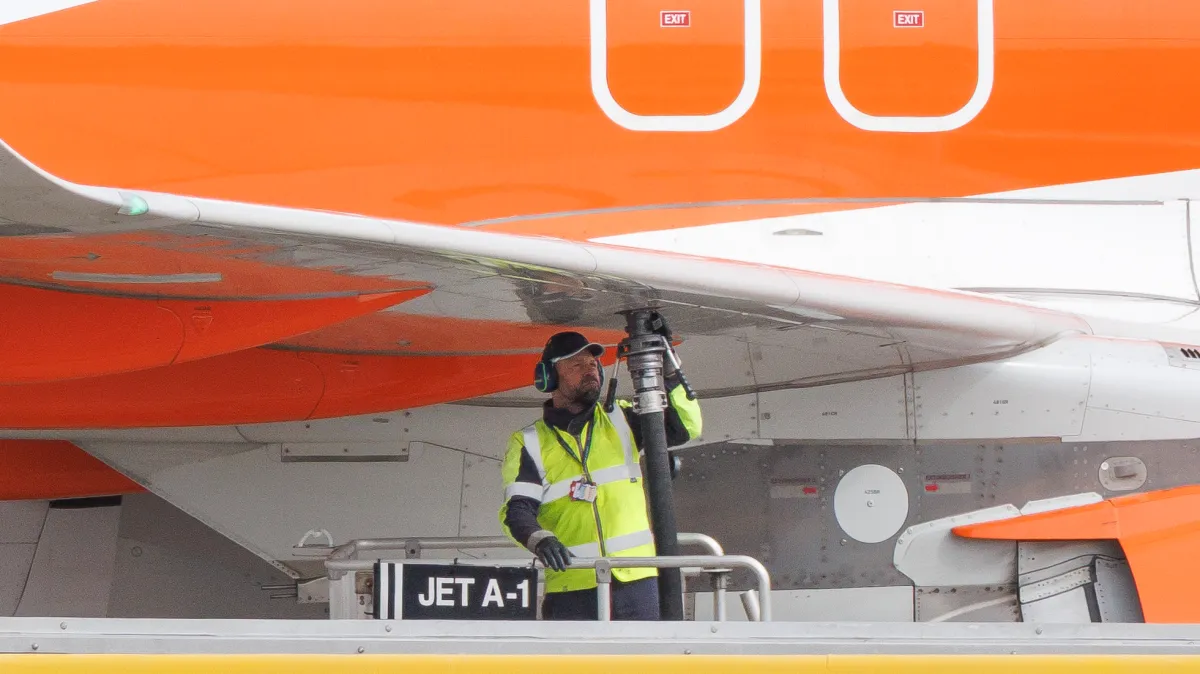
Airfares could be the biggest drag on the headline rate of inflation due to the earlier timing of Easter this year compared with 2025. Rob Wood, chief UK economist at Pantheon Macroeconomics, said airfares were a “key swing factor” for April’s inflation figure and “ticket prices rose less in April this year than the Easter-boosted April 2025”.
“We expect year-over-year airfares inflation to tank to minus 6.6 per cent in April, from 14.5 per cent in March, subtracting 0.12 percentage points from headline consumer price index inflation,” he said.
At the start of the year economists had expected inflation to fall to the Bank’s 2 per cent target rate by April but forecasts for prices have been ditched since the start of the US-Iran war. The central bank now expects inflation to pick up again during the summer and end the year at about 3.7 per cent, close to double its target.
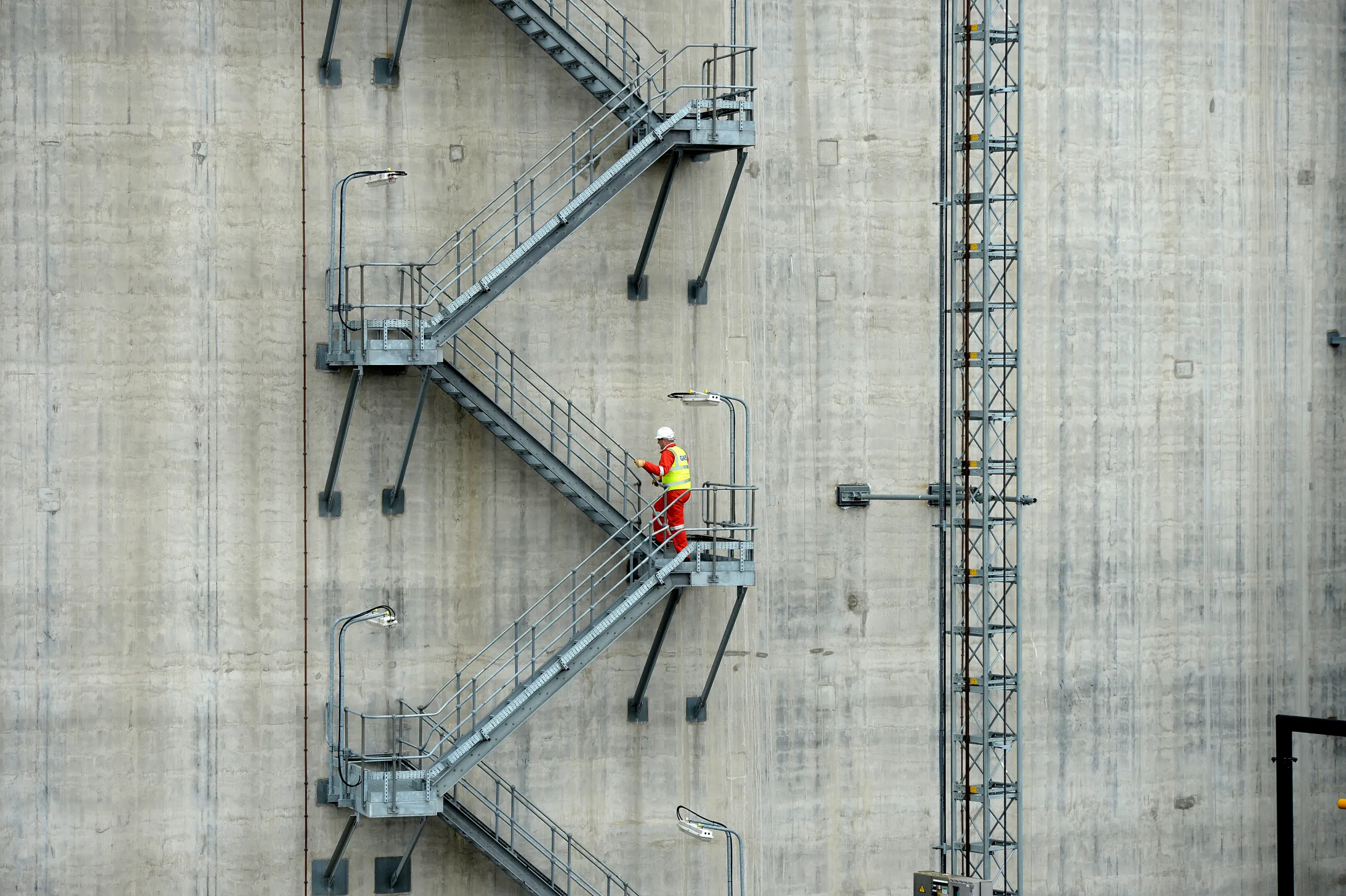 A storage tank at National Grid’s liquified natural gas plant in Kent. The Bank of England said that after a slowdown in April inflation will rise again as the Iran war pushes up energy costsPAUL HACKETT/Reuters
The UK has suffered from stickier inflation than its peers in Europe as the economy continues to record some of the highest wholesale energy prices of any major economy. The Bank has published surveys showing that businesses expect to raise prices charged to consumers as they grapple with higher oil prices and transport costs.
If the war with Iran continues, and shipping cannot pass through the Strait of Hormuz for the foreseeable future, oil prices would rise to $130 a barrel and the UK’s inflation spike could exceed 6 per cent, the Bank warned last week.
“We expect price momentum to pick back up as the Iran shock catches up with the inflation data,” Sanjay Raja, chief UK economist at Deutsche Bank, said.
Business newsletter
The business editor’s exclusive analysis of all the latest financial and economic news.
Sign up with one click
The day before the inflation figures are released, the ONS will also publish its first set of labour market figures that cover the impact of the US-Iran conflict, with data from January to March this year. The Bank expects the unemployment rate to remain unchanged at 4.9 per cent and a modest slowdown in earnings growth to reflect the drop in vacancies and demand for labour.
A weakening jobs market should help keep “domestic price pressures under control”, Andrew Wishart, an economist at Berenberg, said. “Therefore, once the Bank is confident that another wage-price spiral will not form, it can lower the bank rate enough to stabilise the jobs market.”