
Cerebral palsy is a lifelong brain condition that affects movement, posture, and coordination.
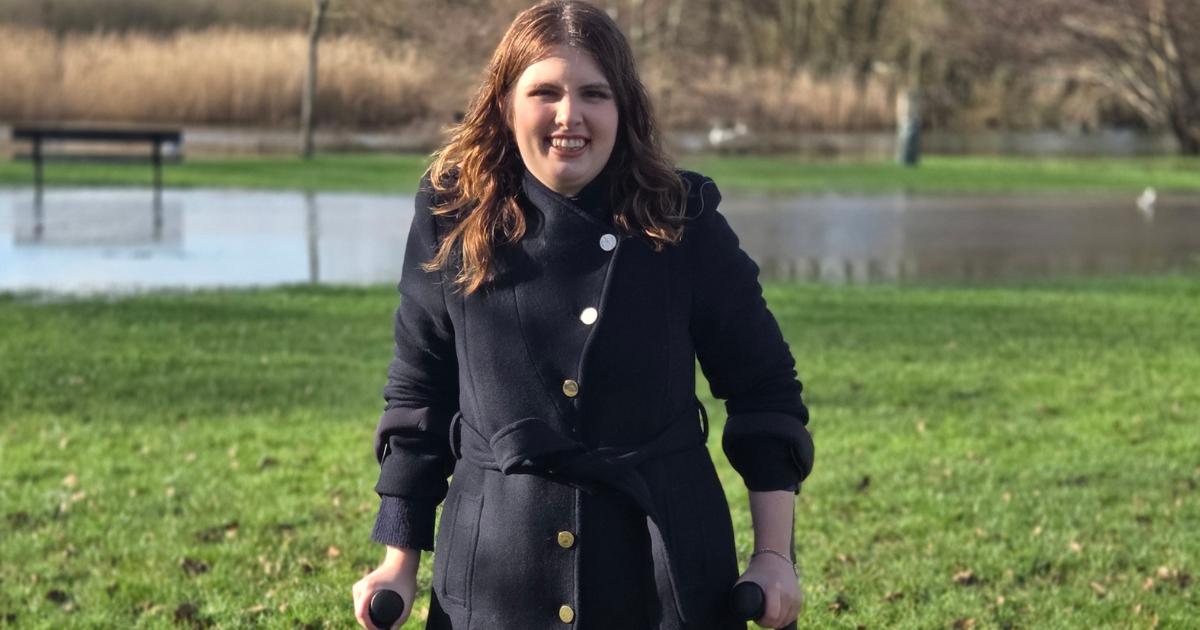
Molly Lane, 28, who lives with the condition in Salisbury, has lent her voice to a national campaign calling for better support after childhood care ends.
She said: “It’s as if you reach 16 and it disappears. It is such a versatile condition and there is not as much understanding of it.
“I think it goes under the radar. A lot of people with cerebral palsy just get on with it and it is so complex.”
On Wednesday, March 18, she joined a lobby at Parliament organised by UP – The Adult Cerebral Palsy Movement and Action Cerebral Palsy, which called for improved healthcare for the estimated 130,000 adults living with cerebral palsy across the UK.
Cerebral palsy is a lifelong condition affecting movement, posture and coordination. It is caused by damage to the developing brain, often before or during birth.
Symptoms vary widely and may include muscle stiffness, weakness, balance difficulties, speech problems and, in some cases, learning disabilities or seizures, vision or hearing impairment.
While children with cerebral palsy receive coordinated specialist care, this support often drops off abruptly at age 18, leaving adults without routine check-ups, clear care pathways, or access to specialists familiar with their needs.
Ms Lane said: “When I turned 18 my specialist NHS care stopped, I was left to navigate a fragmented system with no clear caritas or pathway for my condition.”
Without ongoing support, adults with cerebral palsy face higher risks of preventable health issues.
They are 14 times more likely to die from respiratory disease, three times more likely to die from cardiovascular disease, and nearly six times more likely to experience falls than those without cerebral palsy.
Campaigners are calling for three key changes: annual health reviews for adults with cerebral palsy (similar to those offered to people with learning disabilities), explicit inclusion of cerebral palsy in NHS service specifications, and the inclusion of adults with cerebral palsy in Integrated Care Boards’ population health planning.
Stephen Kinnock, Minister of State for Health and Social Care, recently acknowledged the need for change during a debate at Westminster Hall, saying: “No young adult with cerebral palsy should reach their 18th birthday and face a cliff edge.
“They have waited far too long for the NHS to acknowledge their existence in policy, planning and commissioning.”
Mr Kinnock also supported the introduction of annual reviews, which are already recommended by NICE.
Ms Lane said she was encouraged by the recent attention to the issue and noted that Salisbury MP John Glen has written to the Integrated Care Board on her behalf.