
She’s now on medication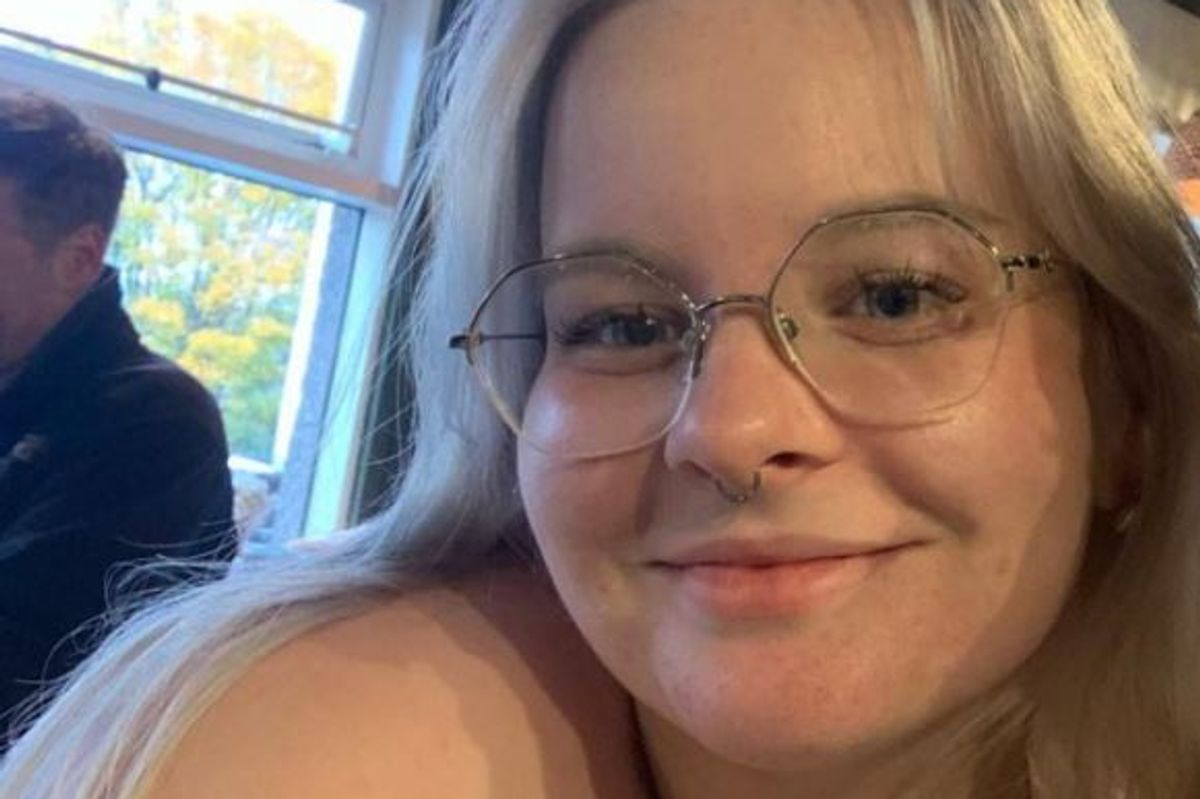
Ella Syder-Mills
A student ‘half-diagnosed’ herself with a brain tumour during a lecture at Keele University. Ella Syder-Mills, 22, from Newcastle, was studying neuroscience and recognised her symptoms in the lecture room as they were being discussed.
She was diagnosed with a pituitary tumour in July 2023 after suffering from migraines, eye problems and fertility issues.
Now her brother Jack, aged 27, has completed a charity challenge for the charity Brain Tumour Research.
Jack, an economist, said: “When Ella told me she had a brain tumour, I didn’t know what that was but I knew it wasn’t good. It was very unsettling and I was just desperate to know she would be ok. It was lucky she was studying neuroscience at the time, and she was sensible and pragmatic about investigating her symptoms. A lot of people wouldn’t be able to do that.”
Brain tumours kill more children and adults under the age of 40 than any other cancer and more women under 35 than breast cancer, yet historically just 1% of the national spend on cancer research has been allocated to brain tumours since records began in 2002. Brain Tumour Research is the only national charity focused on finding a cure for all types of brain tumours.
Ella’s symptoms began when she was studying neuroscience at Keele University. After visiting her GP, Ella was referred to the Royal Stoke University Hospital where an MRI scan revealed the tumour.
She was given the option of having transsphenoidal surgery, where the tumour is removed through the nose, or medication which shrinks the tumour over seven years.
“Like any surgery, there is always the risk of something going wrong, so Ella went for the medication,” said Jack. “It took quite a long time to take effect, to the point where we thought Ella may need to have the surgery, but after two years we could see the tumour was getting smaller. Even though it has shrunk, there is always the worry that it could grow back.
“Ella’s tumour is relatively easy to deal with but there are other types of brain tumours where there are no good treatment options, so I just want to support a charity that does research in this area to help people struggling with brain tumours who may not be as lucky as my sister.”
Charlie Allsebrook, community development manager for Brain Tumour Research, said: “Ella’s story is a stark reminder that brain tumours are indiscriminate and can affect anyone at any age.”
Get daily headlines and breaking news emailed to you – it’s FREE