
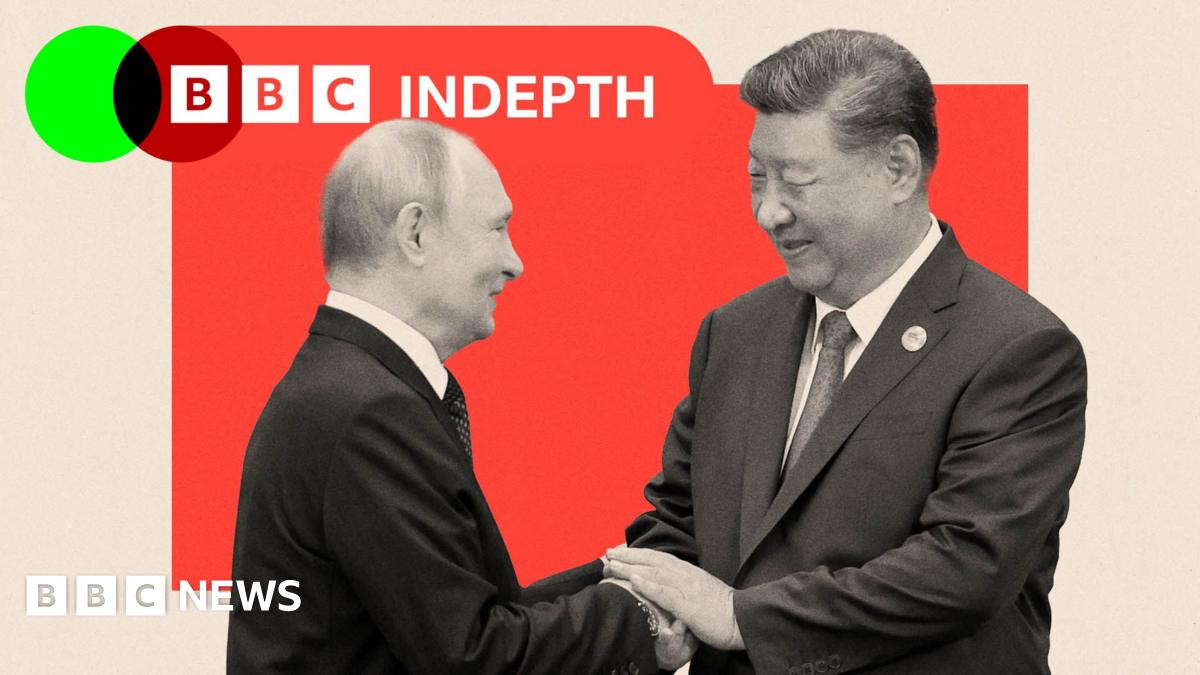
There’s also a long tradition of improving relations between the countries, he adds. “This trend towards a more pragmatic relationship… goes back to the Soviet system of Andropov, Chernenko, Gorbachev, Yeltsin,” he says. “And I think the Chinese have been also the same.”
As for whether the love affair will endure, a Chinese analyst, who requested anonymity, acknowledged that the public presentation of the China-Russia relationship as an inseparable pair by both countries was partly performative, aimed at projecting unity and stability.
In reality, this is a useful political tool to smooth over occasional differences in interests. While both governments oppose what they view as “Western hegemony”, their approaches to this can diverge. Russia, the analyst suggested, wants to build a world order that bypasses the US entirely, but China remains more cautious and pragmatic. Beijing is often thought to eschew rash decision-making and prioritise patience and gradual gains to secure long-term outcomes.
They pointed to China’s reaction to US actions in Iran, saying that Beijing was measured in its response and did not cancel its preparations for Trump’s visit. “This clearly shows Beijing’s willingness not to provoke and not to close doors,” they added. China, they said, still wanted to keep communications open with Washington, and avoid unnecessary provocation – a markedly different approach to Russia’s.