
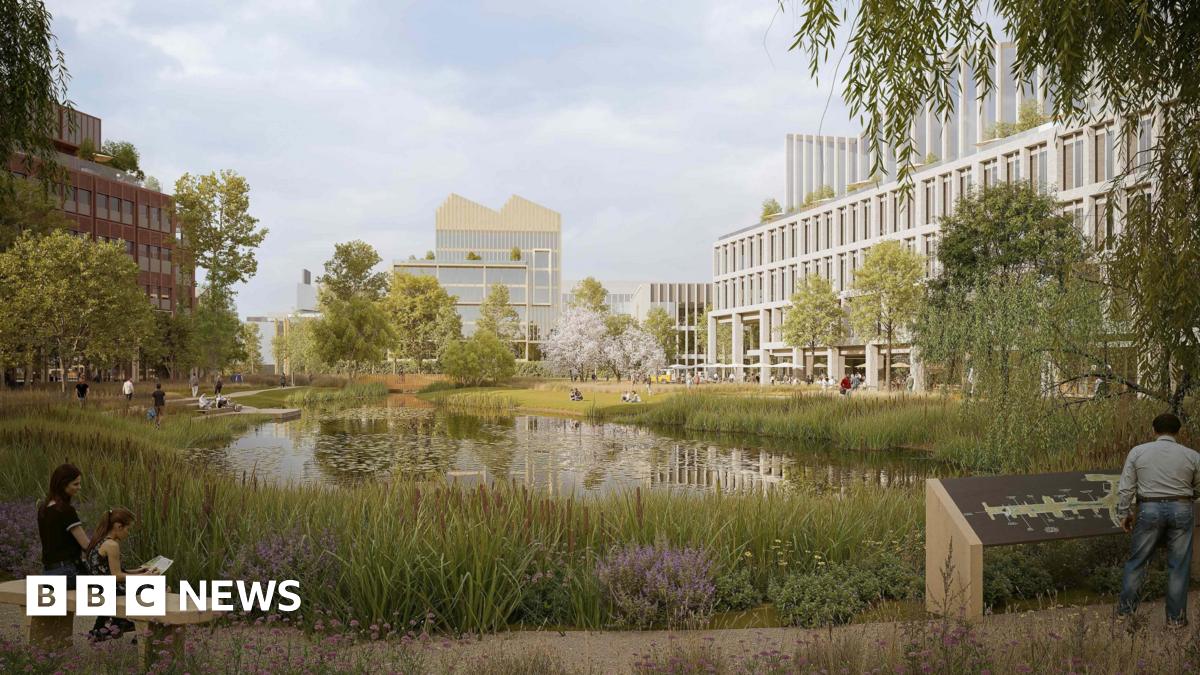
Founded in 1970 by Trinity College Cambridge, the park has been responsible for breakthroughs including cancer drugs, Bluetooth technology and mobile phone chips.
It has grown organically over the past 56 years, but it was hoped that the new plans would maximise the space.
In the proposals, the amount of built space would increase from 2.8 million to 8 million square feet. The college said it was determined to ensure that any growth “provides benefits and opportunities for everyone in Cambridge, Peterborough and surrounding towns and villages”.
Aside from more jobs in areas such as construction, gardening, human resources and science, “benefits” would include “improved bus links, cycling routes, flood resilience, and biodiverse landscaping”.
The site, which is already open to the public, would also feature outdoor exhibits, an open-air museum and strengthened links to the Cambridge Science Centre, which encourages participation in STEM subjects.