
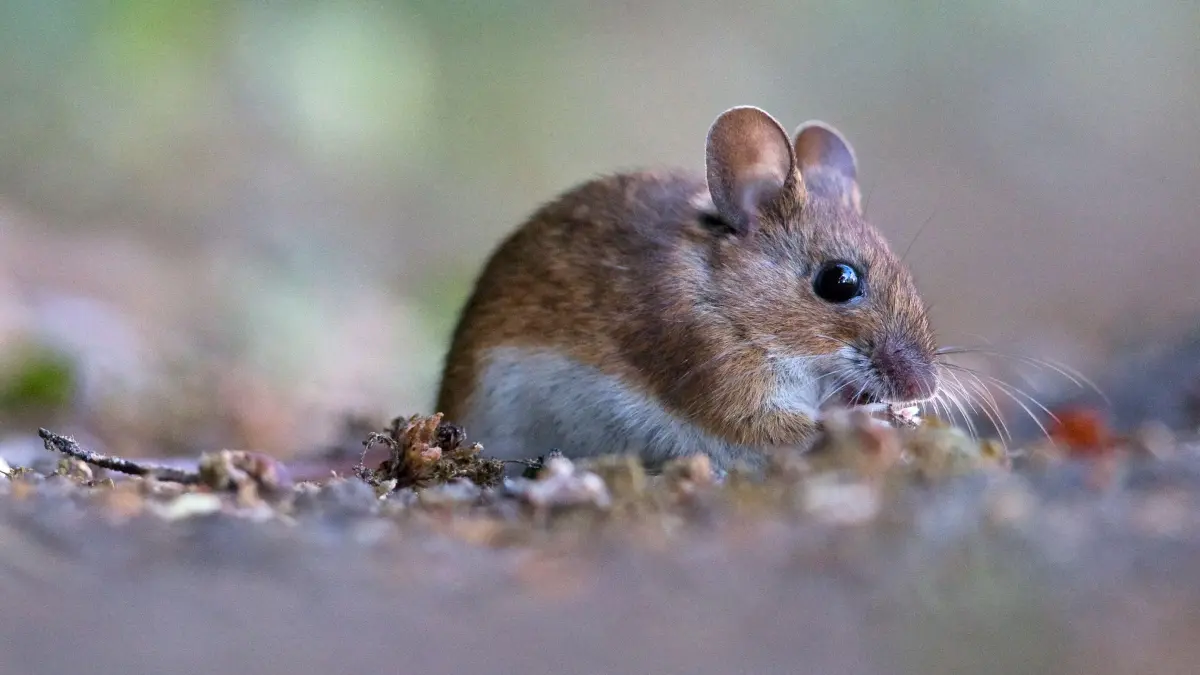
Aesop made the observation 2,500 years ago. Now scientists have data to confirm it: city mice are bolder than their country cousins.
The same rule was found to apply across much of the animal kingdom. Researchers looked at more than 130 species found in both urban and rural habitats. The animals living in towns and cities consistently tended to be more daring, more aggressive, more active and willing to roam more widely.
The results suggest that cities act as a kind of filter, attracting a particular kind of creature: ones that are brave, pushy and curious.
 Urban mice are more willing to take risksAlamy
They also echo one of Aesop’s fables, where a bold town mouse lures his timid country cousin to the city with promises of rich food.
Dr Tracy Burkhard, of Lewis & Clark College in the US, who led the study, said: “We found that no matter where you are in the world, urbanisation is changing behaviour in consistent, predictable ways. The strongest result was that city animals seem to be more risk-positive: they’re more bold.”
The study, published in the Journal of Animal Ecology, included data on birds, mammals, reptiles, amphibians and insects across the globe, focusing on four traits: boldness, aggressiveness, activity and exploration. Urban populations consistently scored higher on all four, a pattern that held across geographic regions and ecological niches.
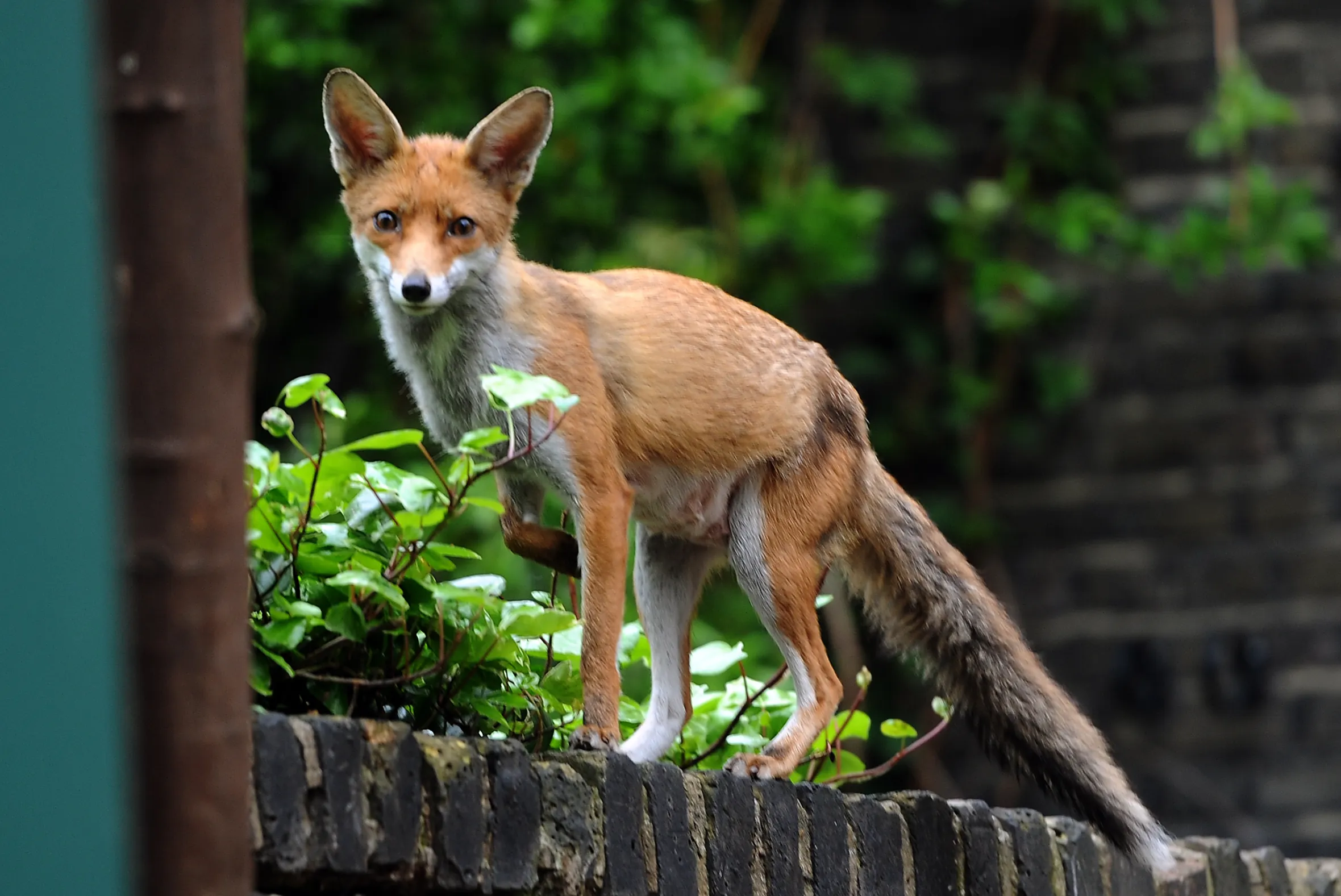 A fox in a garden in Brixton, south LondonAnthony Devlin/PA
A bolder animal is not always a welcome neighbour. Bears that raid bins may be shot. Gulls that dive-bomb picnickers attract complaints. Rodents that forage indoors can spread disease. Overall, though, the researchers seemed to have a grudging respect for the élan displayed by many city creatures.
Burkhard cited the “pizza rat” — a New York rodent filmed in 2015 hauling a slice of pizza down a subway staircase — as “almost a poster child” for the findings.
“The original ‘pizza rat’ video was of a rat brazenly dragging a slice of pizza through a subway station while onlookers gawk,” she said.
“It captures several of the traits we see repeatedly associated with urban animals: boldness, exploration, willingness to exploit novel resources and tolerance of intense human activity.”
Mice fit the broader trend. “A mouse willing to explore a garage, dumpster, backyard or home may gain access to substantial resources that more cautious individuals avoid,” she said.
While drawing together data for the study, Burkhard was also trapping mice across southern France in environments that included marshes and beaches, but also farms, stables and city apartments.
Environment newsletter
The latest climate, energy and nature news and analysis, plus reasons to be hopeful.
Sign up with one click
Urban mice were consistently the bolder ones. One rodent, named Philomène by the resident whose home she had colonised, illustrated the point. Philomène ate through “bags of plums and tomatoes, individually wrapped chocolates, freshly baked cake, soft and hard cheeses, and other processed items — all food sources that she would never have sampled in the wild,” Burkhard said.
Exactly why city animals are bolder is not known. It may be that they have genes that make them less risk-averse. Or it may be that they learn, over time, how to best exploit their environments. It could well be a bit of both. Telling the two apart, the authors said, is among the most intriguing questions the field now faces.