
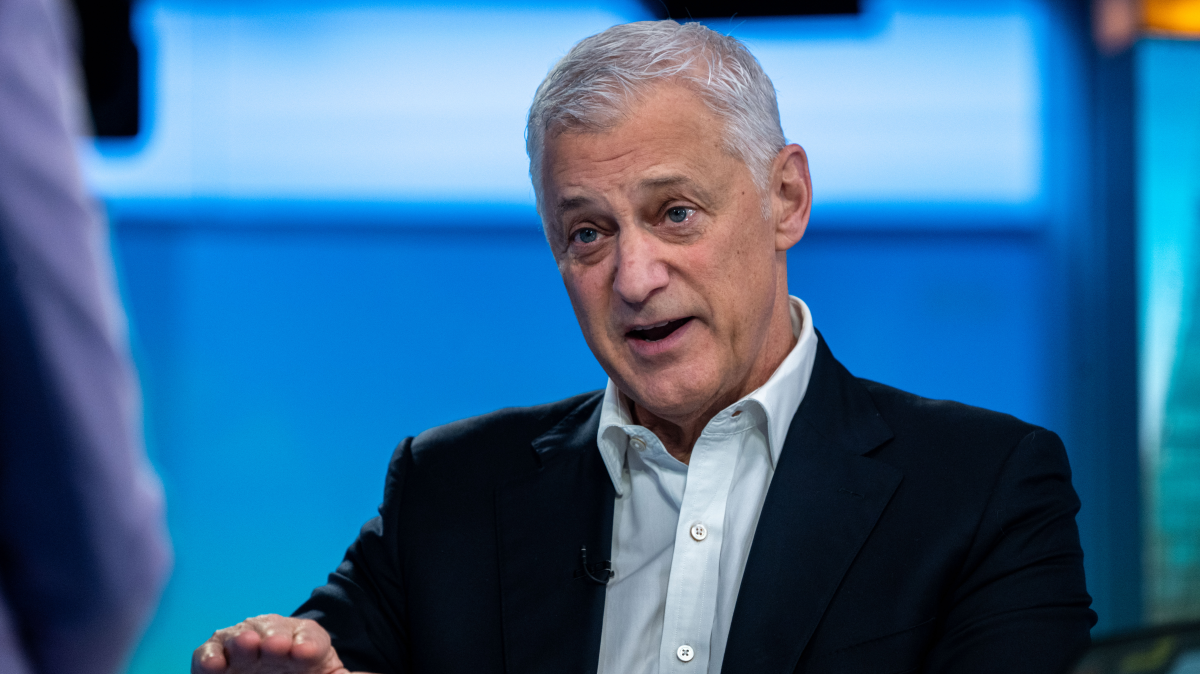
The Standard Chartered boss has been criticised by City shareholders for suggesting artificial intelligence would replace “lower-value human capital” as the FTSE 100 bank revealed plans to cut almost 8,000 back-office roles.
In a move that will stoke concerns about the threat that the technology poses to jobs, the emerging markets-focused lender revealed on Tuesday that it was seeking to reduce more than 15 per cent of its corporate function positions by 2030, partly through the use of AI and other automation.
Bill Winters, Standard Chartered’s chief executive, said roles such as compliance and human resources would be at risk and that jobs based in Bangalore, Chennai, Kuala Lumpur and Warsaw were most likely to be affected.
He added that re-skilling would enable the London-based lender to move some staff into new posts and that it would give people “every opportunity to reposition”.
However, Winters, an American who took home £12.7 million in pay last year, risked a backlash with the language he used to describe the changes wrought by the advent of AI.
“It’s not cost-cutting, it’s replacing in some cases lower-value human capital with the financial capital and the investment capital we’re putting in,” he said. “We don’t have job losses, but we do have job role reductions in favour of the machines, and that will accelerate as we go forward into AI.”
One City fund manager who holds Standard Chartered shares said: “I winced somewhat”, when they read the comments, adding they were “very insensitive”.
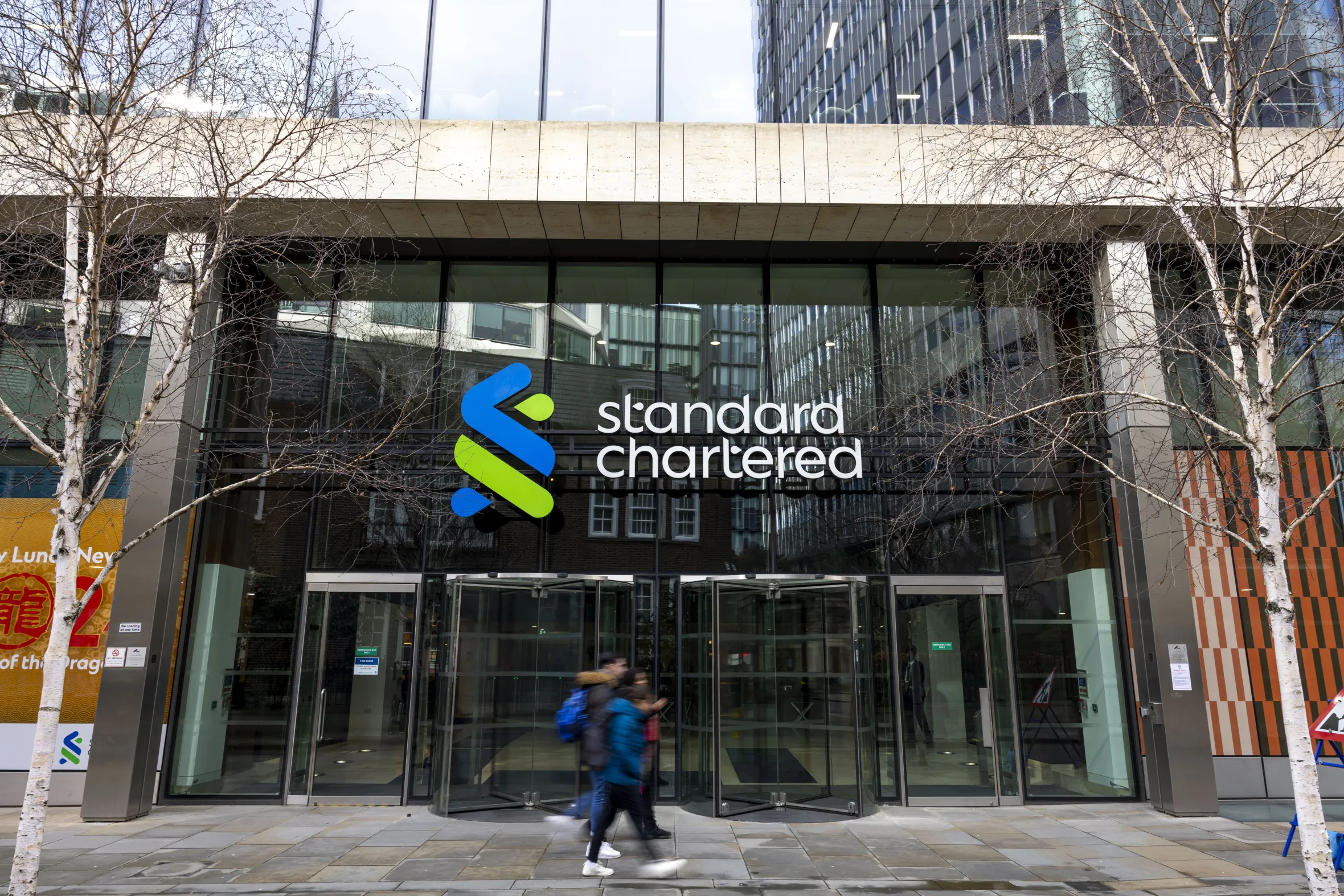 Standard Chartered headquarters in LondonJason Alden/Bloomberg/Getty Images
Another institutional shareholder said Winters, 64, was a “good guy” but pointed to the potentially awkward broader backdrop that “it refers to people probably based in emerging markets from an American based in London”.
“It’s probably a clumsy way of describing it rather than a genuine lack of care for his workforce,” the investor said, adding that Winters’ “phraseology doesn’t read very well straight away”.
Sources at Standard Chartered argued that the remarks had been taken partly out of context and that Winters was referring to a move from lower value to higher value work, rather than making a comment about people.
A Standard Chartered spokesman said the business was “combining the best human talent with AI” and that it would support its employees with “care and respect”. “We are equipping colleagues with future-ready skills for both redeployment in the bank in areas that support our strategy, and employability outside of the bank where this is not possible,” he added.
It is not the first time Winters has drawn attention with his blunt language, having raised eyebrows two years ago when he admitted the lender’s share price at the time was “crap”.
He has run Standard Chartered for 11 years and has won plaudits among investors for turning the once-struggling lender around, although his overhaul has entailed thousands of job losses. The group employed about 82,000 people at the end of last year, including 52,271 in support services roles.
Businesses across industries are turning to AI to reduce costs. They range from technology companies including Block, the fintech business that in February said it would cut about 4,000 jobs out of 10,000 employees because of AI, to the German airline Lufthansa, which aims to cull 4,000 admin roles by the end of the decade, partly because of AI adoption.
John Waldron, the chief operating officer of Goldman Sachs, last week described the Wall Street bank as a “human assembly line” and said some processes would become “digitised”.