
However the organisation said the research “makes clear that there is no single solution that works for every lake”.
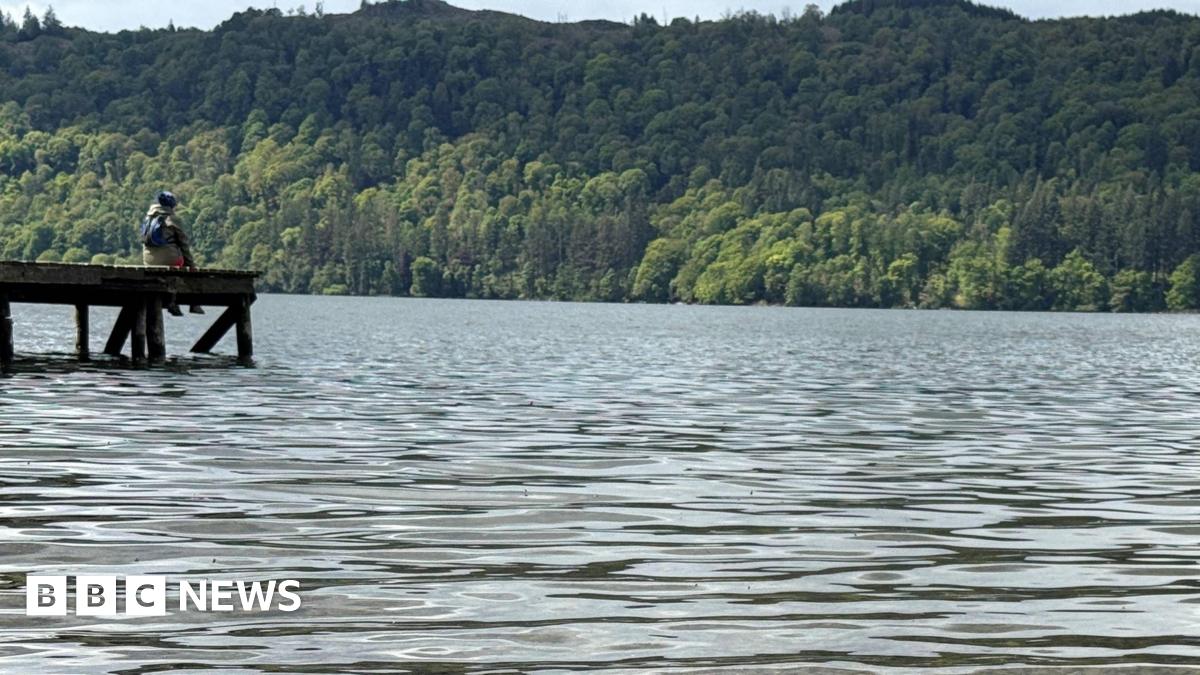
Esthwaite Water, a small lake draining into Windermere, “remained a concern under every future scenario” tested.
The EA said: “This is because factors like a lake’s size, depth and historic activities, all affect how it responds to pollution and climate change.
“Managing these pressures well means that understanding each lake on its own terms is essential.”
The study used computer modelling to understand how climate change could alter how nutrients reached Windermere and Esthwaite Water.
Brown said the work was unique because it combined two different computer models that would not normally “talk to each other”.
“I imagine it like getting a cable that enables an iPhone to talk to an Android phone,” he explained.
He added more inspections and enforcement action against utility companies had also been undertaken to tackle pollution concerns in the area.
“It’s important that we do work based on evidence and that we work in collaboration,” he said.