
Maya Forstater, of Sex Matters, a gender-critical women’s rights group, said: “Finally, there are no more excuses for the many public and private sector organisations that said they were ‘waiting for guidance’ before fixing their unlawful policies.
“The government’s long delay in placing the updated code of practice before Parliament was seized on as cover by organisations that preferred to break the law than enrage trans lobby groups.
“The new guidance is long and detailed, but at its heart is a simple principle: ‘sex’ means what it says – male and female. What people call themselves and how they dress doesn’t change their sex.
“Any business, charity or public service provider that took a wrong turn and started letting men who identify as women use women’s spaces or vice versa must now urgently fix its policies.”
But a spokesperson for TransActual, a trans rights campaign group, said the guidance left trans people with less rights.
“Not only does this new guidance fail to protect the rights and dignity of transgender people, but appears to have weakened protections for the LGBT community as a whole,” they said.
“TransActual will continue to fight for equal access to public life for all trans people, and will publish our full thoughts on the new code once we have had the time to properly scrutinise it.”
Joanne Moseley, of Irwin Mitchell Solicitors, said she is being regularly asked to provide advice to business and services on what they need to do.
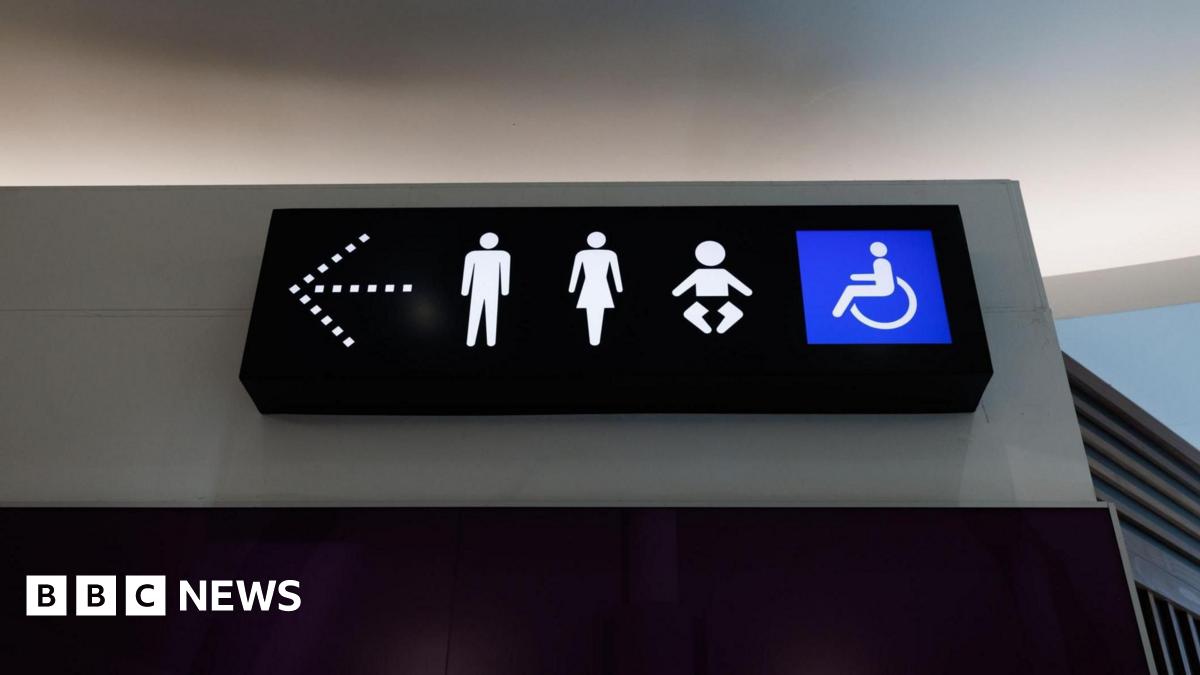
She believes that good signage and, where appropriate, ensuring that a gender-neutral space is available are important.
She said some businesses and employers made changes to their facilities immediately after the Supreme Court judgement, but others are putting off doing anything until the EHRC guidance comes into force.
However, she warned the guidance was not “a silver bullet” and that if someone made a claim of discrimination against an organisation it was not a defence to say “we’re waiting for the guidance”.