
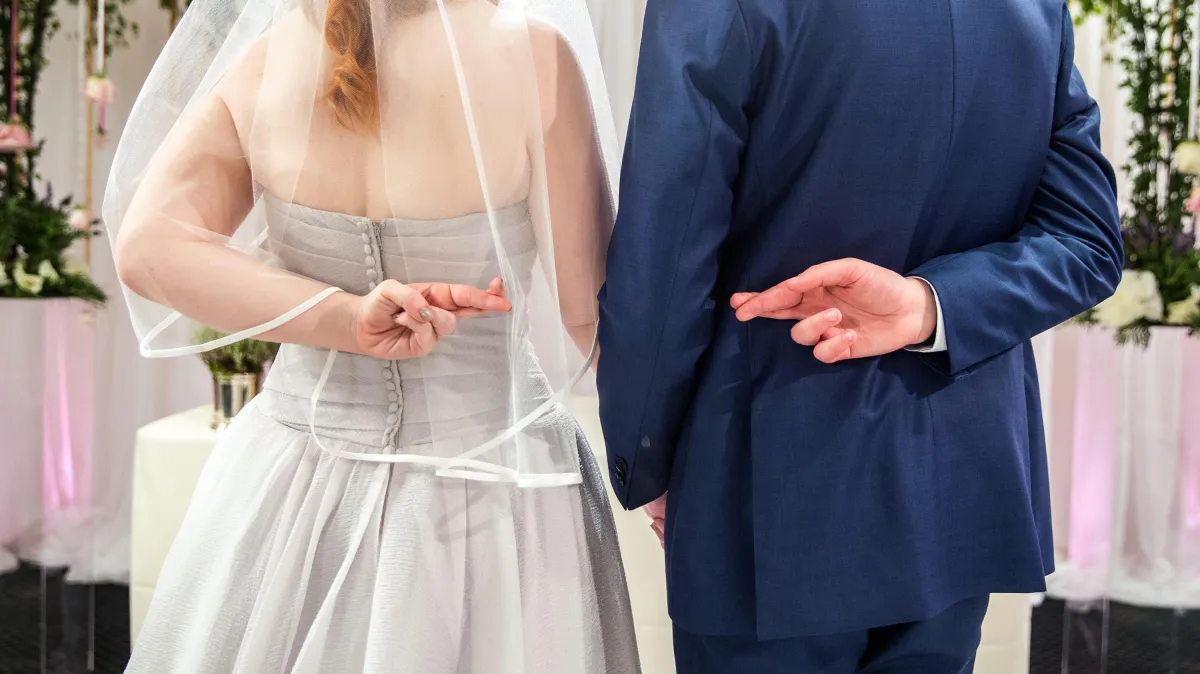
Billed as “TV’s most extraordinary experiment”, Married at First Sight UK throws singletons unlucky in love into the depths of marital life with strangers handpicked by a panel of clinical psychologists, sexologists and marriage counsellors.
The show, which frequently tops three million viewers, making it a jewel in Channel 4’s crown, faces a fight to survive after a BBC Panorama investigation this week revealed allegations of rape and non-consensual sexual acts during filming.
But a lawyer for one of the alleged victims has told The Times that the scandal is the “tip of the iceberg” for the industry.
Two women who took part in the show told the BBC they had been raped by their on-screen husbands during filming. A third, Shona Manderson, claimed that her partner had taken things too far during sex. The men deny the claims.
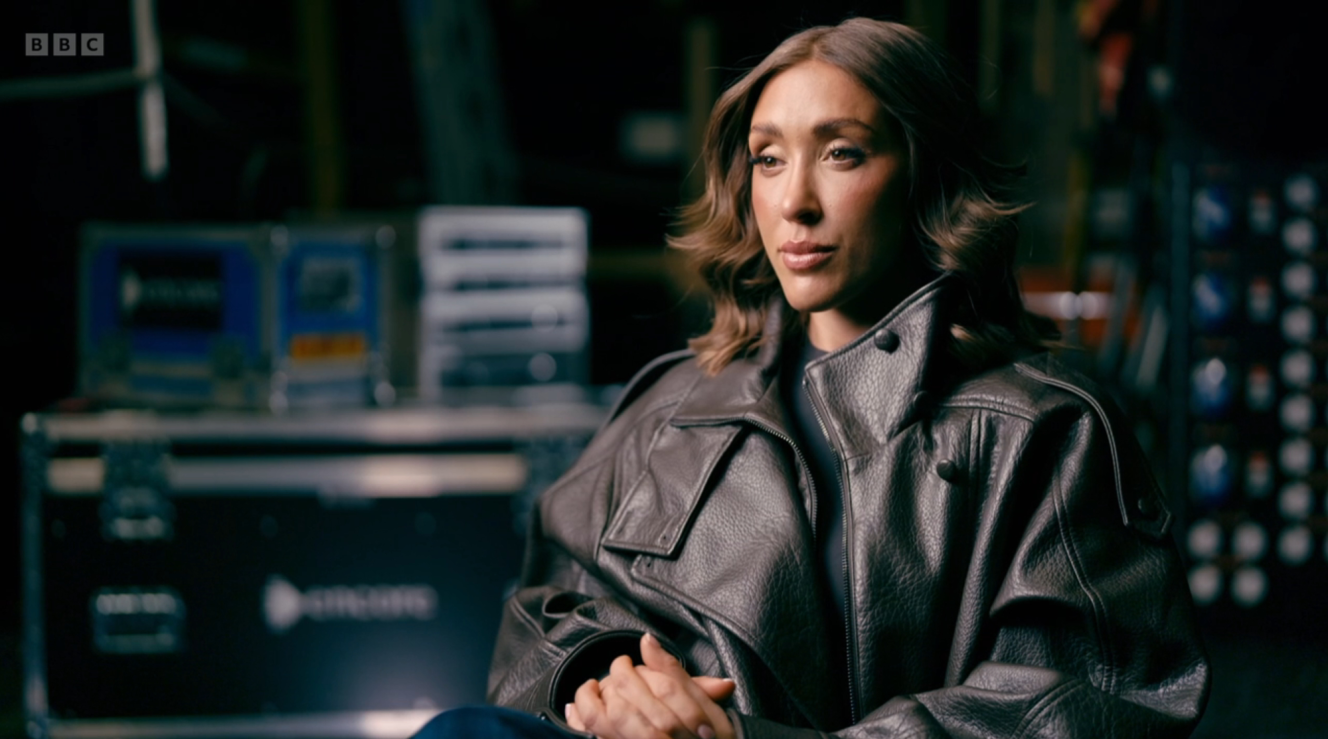 Shona MandersonPanorama/bbc
All three women interviewed by the BBC claimed they had been failed by CPL, the production company that makes the show. The company said its welfare system was “gold standard”, and that it had acted appropriately in all these cases.
We spoke to former contestants, representatives of the alleged victims and industry executives, many of whom cast doubt on whether the show could continue in its present guise, after Channel 4 pulled it from its streaming service pending two external reviews.
 The Channel 4 headquarters in central LondonDan Kitwood/Getty Images
Lizzie (not her real name), one of the women interviewed by the BBC, claimed she had first noticed “red flags” about her partner almost immediately after meeting him at the altar and that her husband had lost his temper in private during their “honeymoon”.
She told CPL that he had told her he and his ex-partner had been violent together, she said. Lawyers for CPL said that when the welfare team spoke to him he told them he had been the victim of violence, not the perpetrator.
Lizzie claims she was violently raped and then threatened with an acid attack by her partner if she told anyone. One welfare team member is reported to have taken photos of the bruises. Lawyers for CPL say the bruises were described to the welfare team by Lizzie as being the result of rough but consensual sex.
After the Panorama episode aired, Priya Dogra, the chief executive of Channel 4, said she was “deeply sorry” for the distress caused to the women who alleged they had been raped.
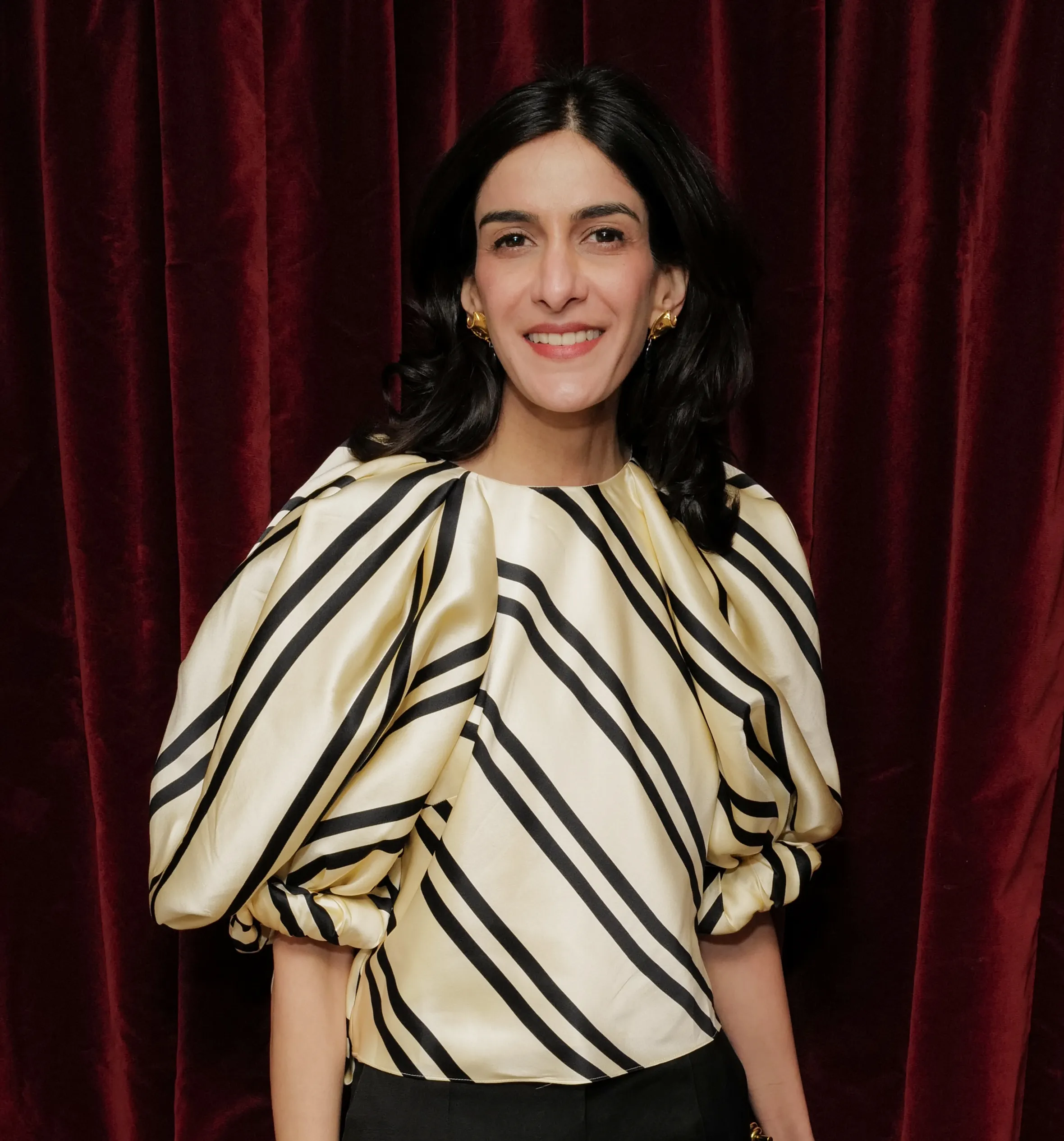 Priya Dogradarren gerrish/wireimage/Getty images
Dame Caroline Dinenage, the chairwoman of the culture select committee, wrote to Dogra and the regulator Ofcom about the “horrifying” allegations.
Charlotte Proudman, Lizzie’s lawyer, told The Times that the Panorama investigation into the show, which has been adapted for 29 countries worldwide, was only scratching the surface of abuse in reality television.
“I know this is the tip of the iceberg not just for Married at First Sight but for the wider industry because I’ve spoken to women who have been former contestants on dating and reality TV shows who have experienced what I would categorise as domestic abuse,” she said.
“From what they have told me there appears to be a lack of due diligence and professional curiosity, perhaps intentionally, on who they’re pairing people up with.”
Proudman suggested that producers may be pairing up incompatible partners for “entertainment value, thinking that it will encourage explosive outbursts on TV”.
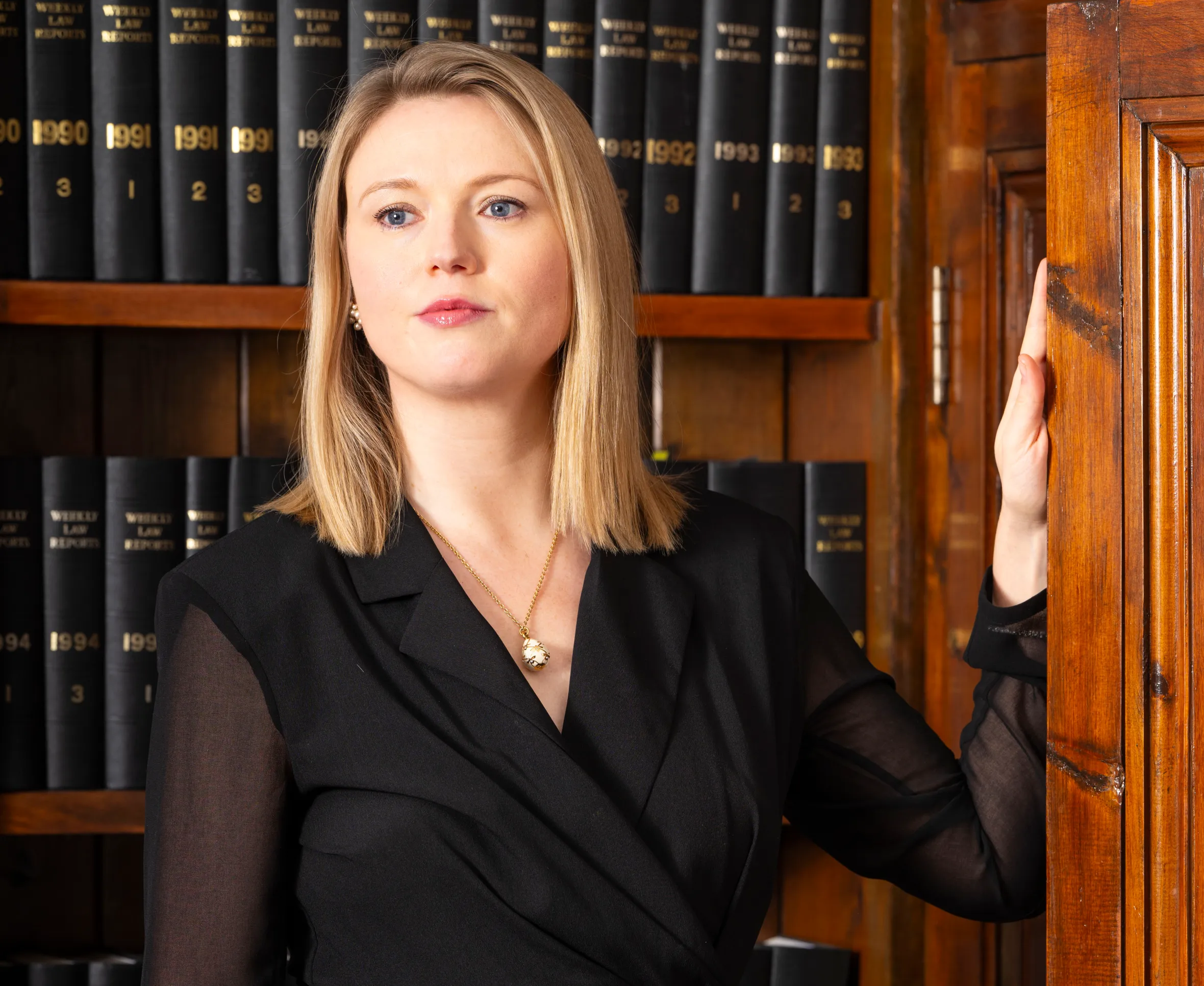 Charlotte Proudmanlucy young for the times
She added: “I think they have a vested interest and are incentivised to encourage these high-conflict relationships and environments and make sure it’s all recorded on camera.
“This is a real prioritisation of clicks and viewership above protection and safeguarding. In my view it seems that people who work in these so-called welfare teams are not sufficiently trained to provide protection and support for victims.”
Proudman is among those calling for the show to be cancelled and for a reckoning to take place in the burgeoning industry of reality television.
Lord Grade of Yarmouth, a former Channel 4 chief executive and former Ofcom chairman, warned that reality television shows were moving closer to the “abyss” of exploitation, and urged broadcasters to consider whether they should continue to order such shows.
“The alarm bells ring when you see what a suite of protocols and duty of care measures have to be put in place to protect the public,” Grade told Times Radio. “And these protocols are getting bigger and bigger as the risks get greater and greater. And that’s a real danger sign for me, for these reality shows crossing a line into exploitation.”
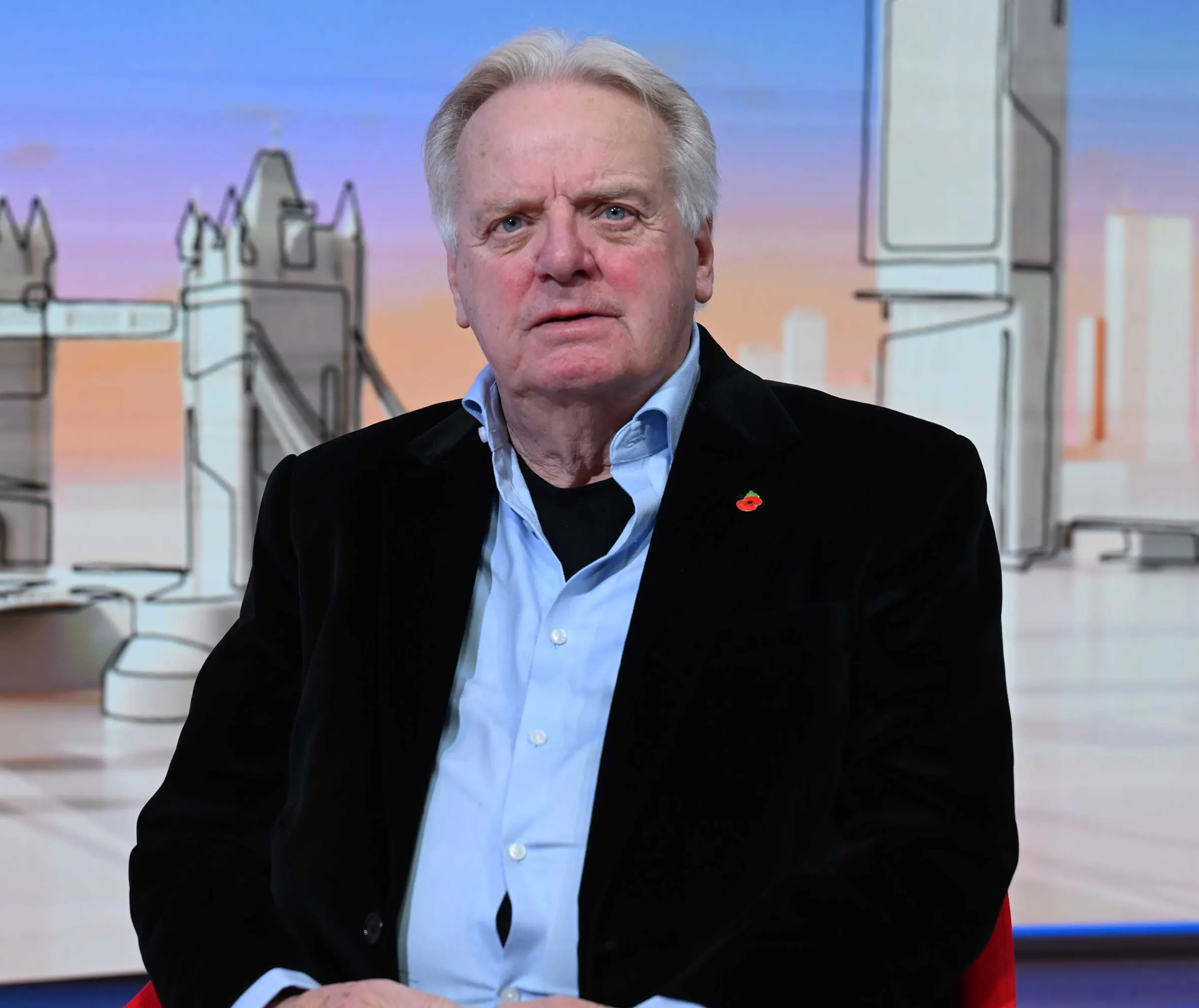 Lord Grade of YarmouthJeff Overs/BBC/PA
Another experienced industry insider questioned whether E4, Channel 4’s youth-skewing channel, which airs the show, could survive if its biggest series did not return.
“That brand carries the whole of E4 at the moment — so does it take down the channel with it?” the executive said.
Steven D Wright, a veteran TV executive, called for broadcasters to turn away from low-brow programming entirely.
“It seems that the era of sex-based reality is gone for ever,” he said. “Let’s forget forcing people into awkward situations and go back to the documentary ethos of filming genuine stories, not cynical, constructed stuff.
“But will business win out over morality? The demand for ever more extreme set-ups and constructed formats is a guarantee that innocent people will be hurt by the TV production process.”
However, some contestants have spoken positively about their experience participating in the show and the support they received from CPL and the welfare team.
One former participant told The Times that they had felt safe during the show because of the access to a “highly experienced welfare team”.
“We have every opportunity to voice any concerns or fears of safety, or any other emotions, as and when they arise as well as being able to request another apartment and above all the right to leave the experiment at any point,” the participant, who asked to be anonymous, said. “If anything, you are more protected and safer than you are in your normal day-to-day life.”
The former participant called for changes to be made including “couples having more of an option to live separately but then can choose to opt-in to living together instead of having to ask to opt-out”.
A Channel 4 spokeswoman said: “[Married at First Sight UK] is produced under some of the most comprehensive and robust welfare protocols in the industry. These include the most thorough background checks available, a code of conduct which clearly sets out behavioural standards, daily contributor check-ins with a specialist welfare team and access to additional support before, during and after filming.
“The physical and psychological wellbeing of all contributors is of paramount importance throughout the process. All duty of care processes are regularly reviewed and, where appropriate, strengthened. “
CPL was approached for comment.