
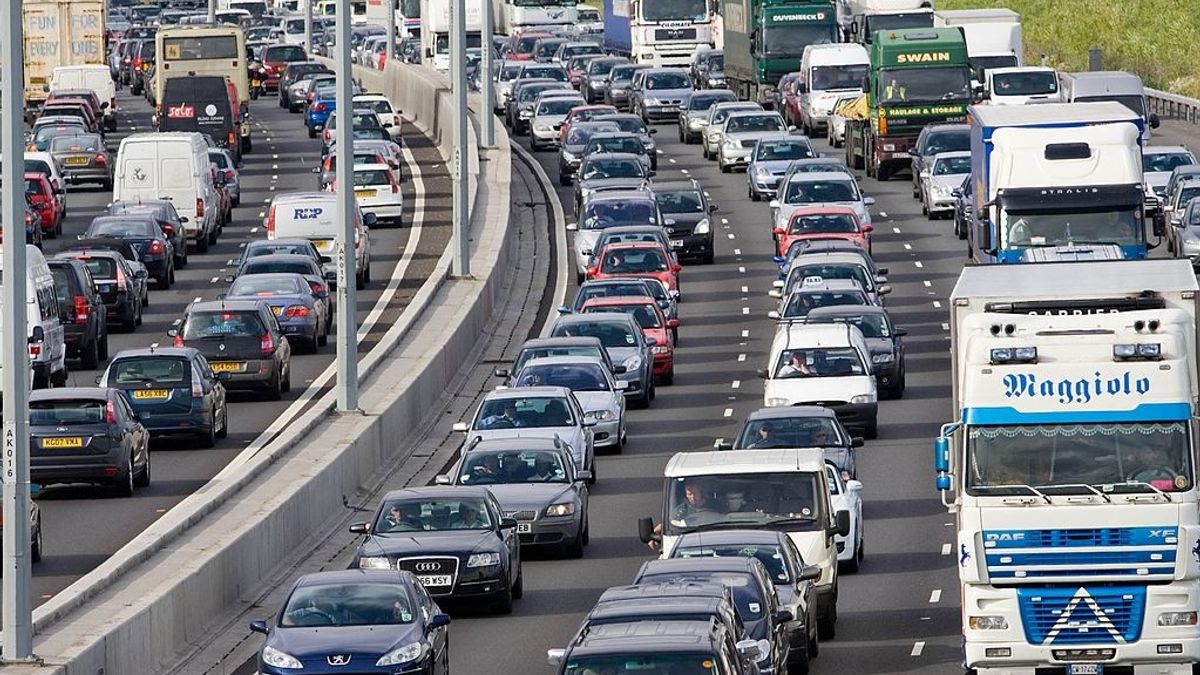
Here’s a list of the rules covering the medical conditions that need to be declared to the DVLA and what drivers need to check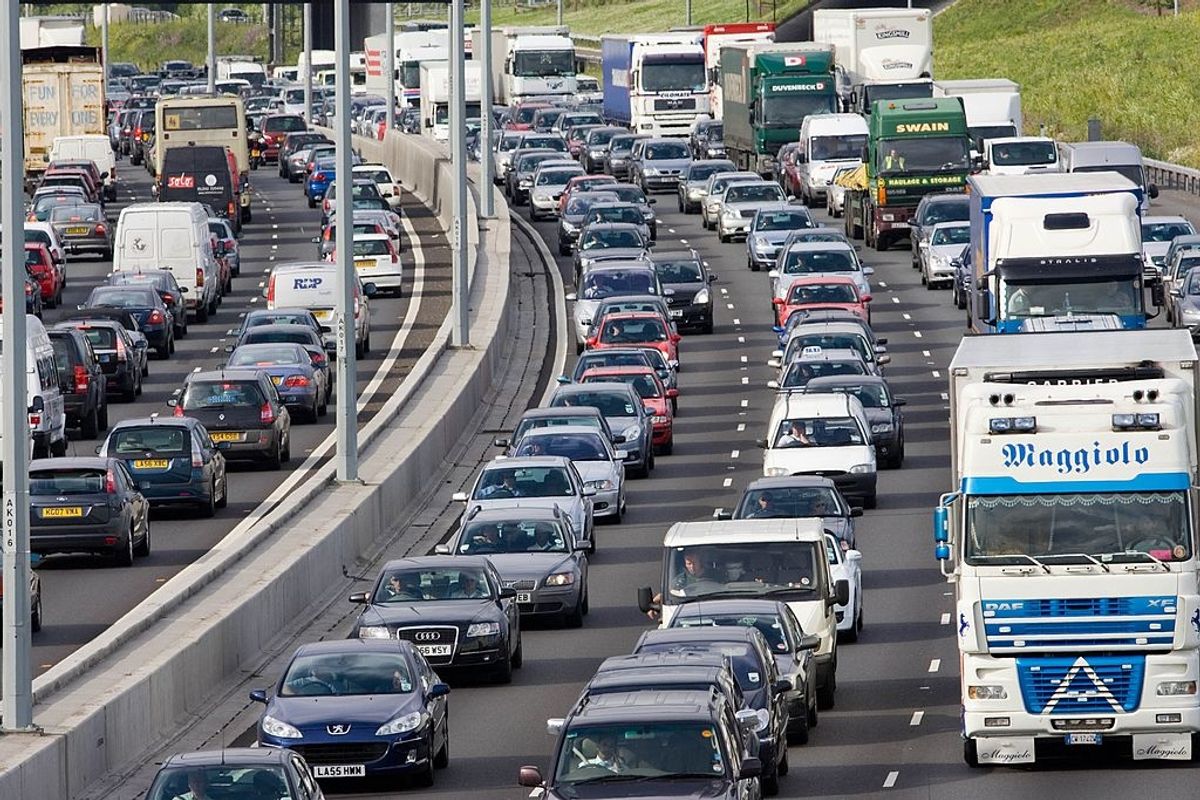
Drivers are being warned about DVLA rules(Image: Getty Images)
Drivers with health conditions are being urged to check if they need to inform the DVLA about their medical circumstances. This is because some health conditions need to be reported.
Failing to declare those conditions could result in a fine of up to £1,000. And you could also be taken to court if you’re involved in an accident.
The DVLA needs to know about any medical conditions that could affect your ability to drive safely. Below, we have outlined which health conditions must be declared and what the rules are. This comes as a stark warning was recently issued to motorists over driving at night, as reported by ChronicleLive.
The DVLA warns: “You can be fined up to £1,000 if you do not tell DVLA about a medical condition that affects your driving. You may be prosecuted if you’re involved in an accident as a result.”
When to tell DVLA about a medical condition
You must tell DVLA if you have a driving licence and:
you develop a ‘notifiable’ medical condition or disabilitya condition or disability has got worse since you got your licence
The DVLA explains that “notifiable conditions” are anything that could affect your ability to drive safely. You must surrender your licence to DVLA if any of the following are true:
your doctor tells you to stop driving for 3 months or moreyour medical condition affects your ability to drive safely and lasts for 3 months or moreyou do not meet the required standards for driving because of your medical condition
You can apply to get your licence back when you meet the medical standards for driving again. Here are more details.
Which health conditions must be declared
Anything that could affect your ability to drive safely should be declared to the DVLA. Conditions can include:
diabetes or taking insulinsyncope (fainting)heart conditions (including atrial fibrillation and pacemakers)sleep apnoeaepilepsystrokesglaucomaRules for drivers who have diabetes
If your diabetes is treated by diet, you do not need to tell DVLA. If your condition is treated by tablets or non-insulin injections, and you have a car or motorbike licence, check with your doctor or nurse to find out if your treatment means you need to tell DVLA. If you do need to tell DVLA, fill in form DIAB1 and send it to the address on the form.
If you have a bus, coach or lorry licence, you must tell DVLA if your diabetes is treated by tablets or non-insulin injections. You must fill in:
form VDIAB1SG if your diabetes is treated by sulphonylurea or glinide tabletsform VDIAB1GEN if your diabetes is treated by any other tablets or non-insulin injections
Send the form to DVLA. The address is on the form.
Diabetes treated by insulin
If your diabetes is treated by insulin, the following rules apply. If you have a car or motorbike licence, you need to tell DVLA if:
your insulin treatment lasts (or will last) over 3 monthsyou had gestational diabetes (diabetes associated with pregnancy) and your insulin treatment lasts over 3 months after the birthyou get disabling hypoglycaemia (low blood glucose) – or a medical professional has told you that you’re at risk of developing it
If you have a bus, coach or lorry licence, you must stop driving and tell DVLA when you start insulin treatment. DVLA will tell you when you can start driving again. Fill in form VDIAB1I and send it to DVLA. The address is on the form.
Rules for drivers who have Syncope (fainting)
These rules are for people who suffer from blackouts, fainting (syncope), loss of consciousness. If you have a car or motorcycle licence, ask your doctor if your blackouts, fainting or loss of consciousness affect your driving.
You must tell DVLA if your condition affects your driving. You can also fill in form FEP1 and send it to DVLA. The address is on the form.
If you have a bus, coach or lorry licence, you must tell DVLA if you have had a blackout, fainted (syncope) or lost consciousness. Fill in form FEP1V and send it to the address on the form.
Those who have pacemakers
You must tell DVLA if you have been fitted with a pacemaker. You do not need to tell DVLA if you have had a pacemaker battery change. This is also known as a ‘box’ change. Here’s more information.
Sleep apnoea and excessive sleepiness
Excessive sleepiness means that you have had difficulty concentrating and have found yourself falling asleep – for example while at work, watching television or when driving. You must tell DVLA if you have:
confirmed moderate or severe obstructive sleep apnoea syndrome (OSAS), with excessive sleepinesseither narcolepsy or cataplexy, or bothany other sleep condition that has caused excessive sleepiness for at least 3 months – including suspected or confirmed mild OSAS
You must not drive until you’re free from excessive sleepiness or until your symptoms are under control and you’re strictly following any necessary treatment. Ask your doctor if you’re not sure if your excessive sleepiness will affect your driving.
Epilepsy
You must tell DVLA if you’ve had any epileptic seizures or blackouts. According to the rules, you must stop driving straight away. Here are full details on epilepsy and driving.
Strokes
You must stop driving straight away if you’ve had a stroke or transient ischaemic attack (TIA). If you have a car or motorcycle licence, you must stop driving for at least 1 month.
You can restart only when your doctor or healthcare professional tells you it is safe. You do not need to tell DVLA if you had a stroke and have recovered.
You must tell DVLA if you still have any of the following after 1 month:
weakness in your arms or legsproblems with your eyesight – for example visual field loss or double visionproblems with balance, memory or understanding
You must also tell DVLA if:
you have had any type of seizureyou needed brain surgery as part of your stroke treatmentyour doctor thinks you may not be safe to drive
If you have a bus, coach or lorry driver licence, you must tell DVLA and stop driving for at least one year. Fill in form STR1V and send it to DVLA. The address is on the form. DVLA will assess your case and tell you if you need any tests before you can reapply for your licence.
Glaucoma and other eye conditions
You must tell DVLA if you have certain eye conditions. The eye conditions you must tell DVLA about are:
blepharospasmdiabetic retinopathy (with laser treatment)diplopia (double vision)glaucomanyctalopia (night blindness)retinitis pigmentosa
You must tell DVLA if any of the following apply:
your eye condition affects both eyesyour eye condition affects one eye – but you only have vision in that eyeyou have retinitis pigmentosa that affects one or both eyesa GP, optician or eye specialist has said you should not driveyou do not meet the visual standards for driving
Did you know you can make ChronicleLive a preferred source of North East news in Google, which will mean you get more of our breaking news, exclusives, and must-read stories straight away? Here’s more information about what this means and how to do it – you can also do it straight away by clicking here.