
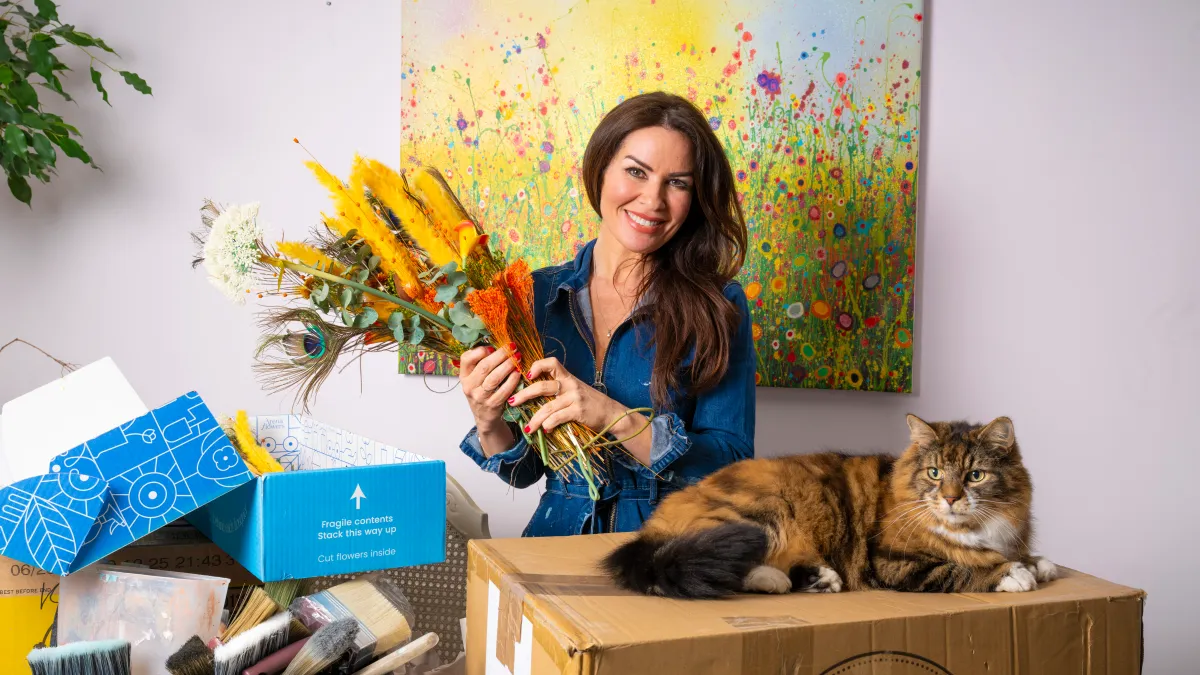
I didn’t expect downsizing to feel so emotional. Logistically, there were boxes and endless trips to the charity shop. Emotionally, though, I was unprepared.
More than 40 per cent of UK marriages end in divorce and for many families that brings an unavoidable shift. One home becomes two, often with at least one smaller. Downsizing is not just practical; it feels like dismantling a life and trying to build another. I am far from alone. Across the country, people sort memories, deciding what to keep and what to leave behind.
I have moved from a nine-bedroom house to a four-bedroom one. You could almost fit the ground floor of my new home into my old kitchen. Even writing that feels absurd and I appreciate I have been privileged. But a home is never just square footage. It is memory, effort, identity.
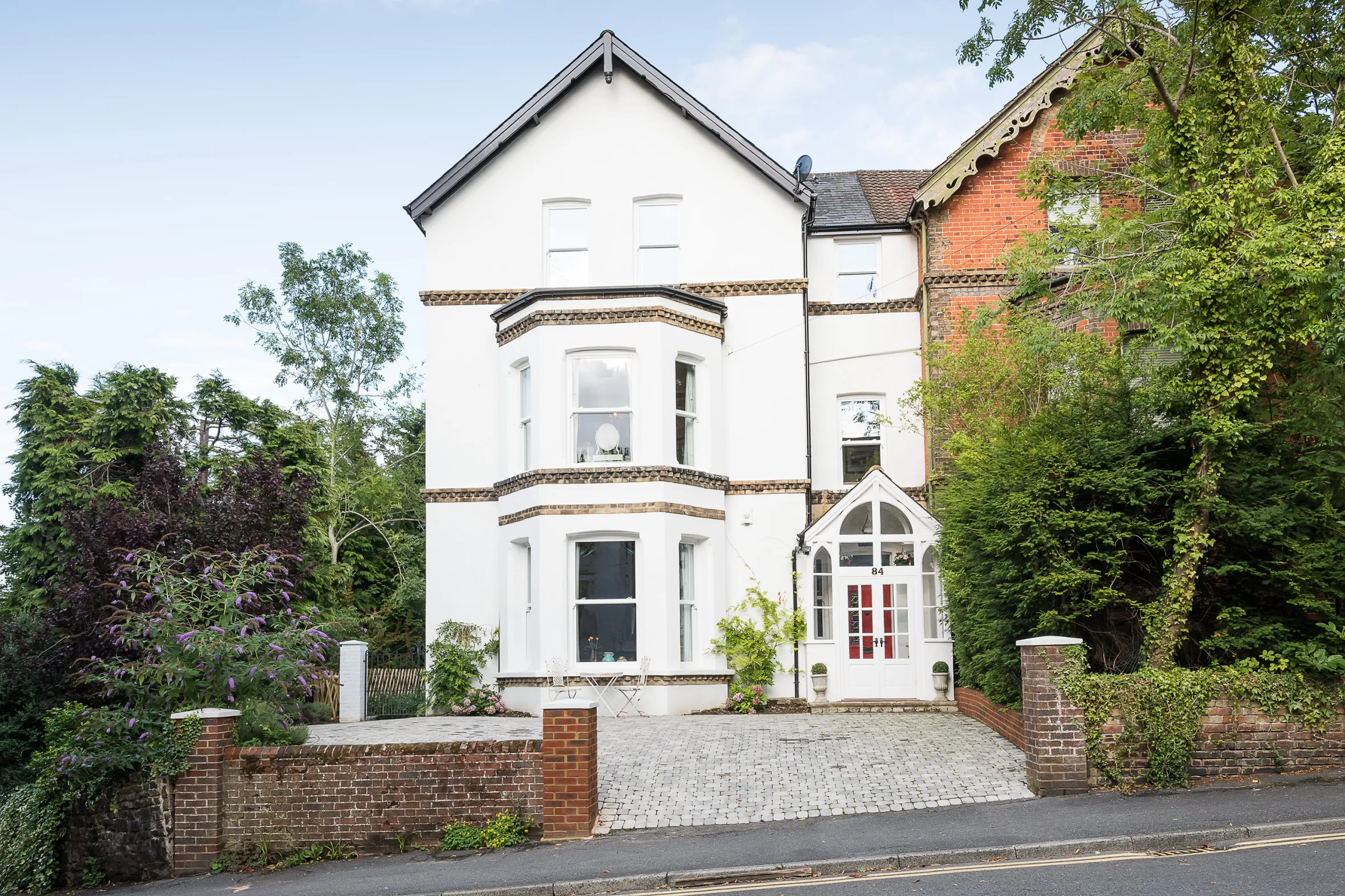 Burnett and her ex-husband bought this Sevenoaks property in 2014 and renovated it extensivelyVeronica Rodriguez
When I bought this house in Sevenoaks, Kent, with my ex-husband in 2014, it was near derelict. I poured my heart into it. This was not just a renovation; it was the project that launched my career. It gave rise to my work as [stylist and organiser] the Home Genie, led to regular TV appearances on This Morning and other shows, and inspired my book.
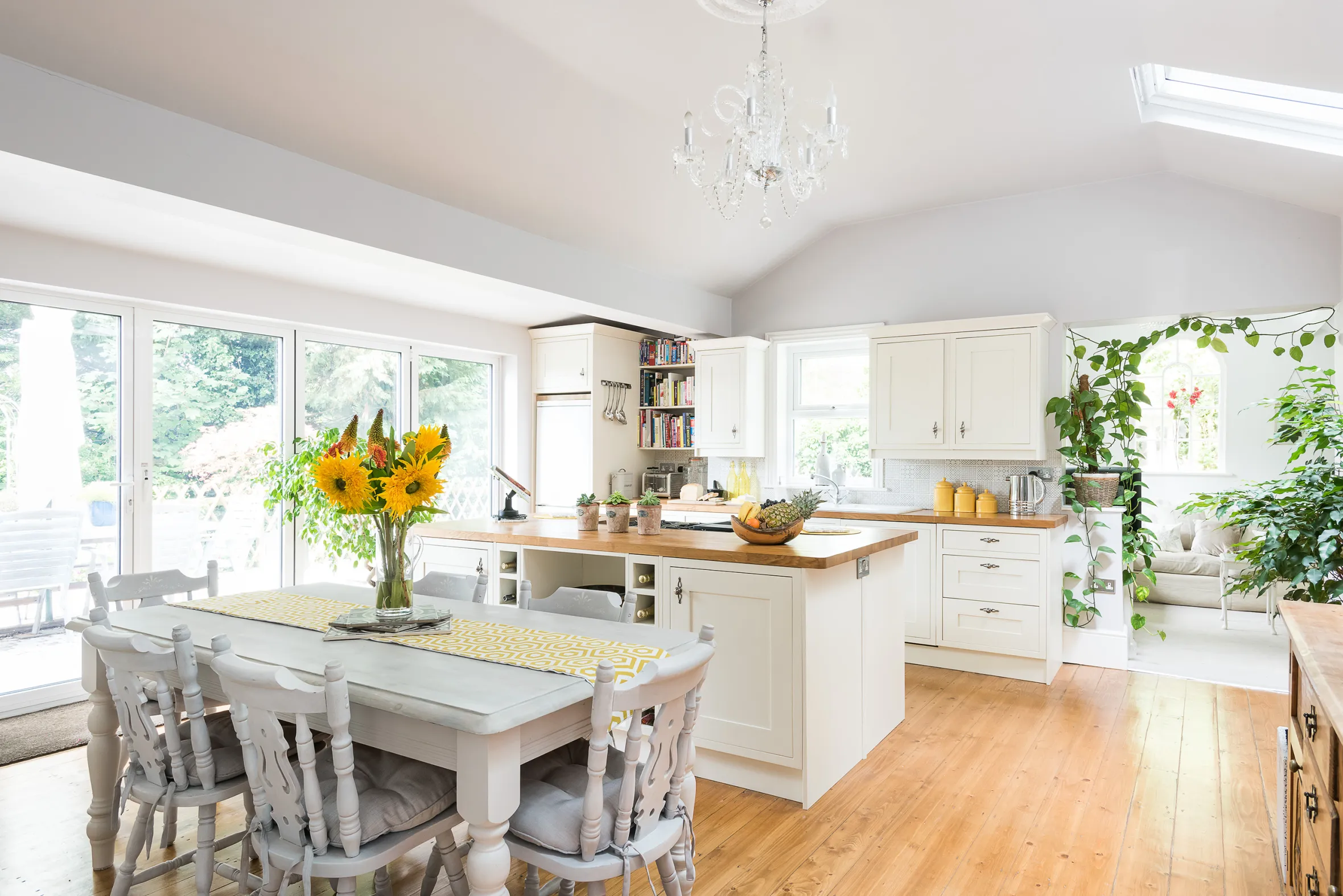 Burnett says the ground floor of her new home would almost fit inside her old kitchenVeronica Rodriguez
I was pregnant when it began, then juggling a newborn while managing a full-scale renovation. I spent nights stripping layers of paint from marble fireplaces in between breastfeeding, determined to bring them back to life. Exhausting? Absolutely. Worth it? Every second. This house did not just hold my family; it built my future.
During lockdown, when the world shrank, this house expanded. It became my studio, allowing me to do live DIY broadcasts for ITV and weather forecasts for the BBC, from corners that had once been storage. And now, I am leaving it.
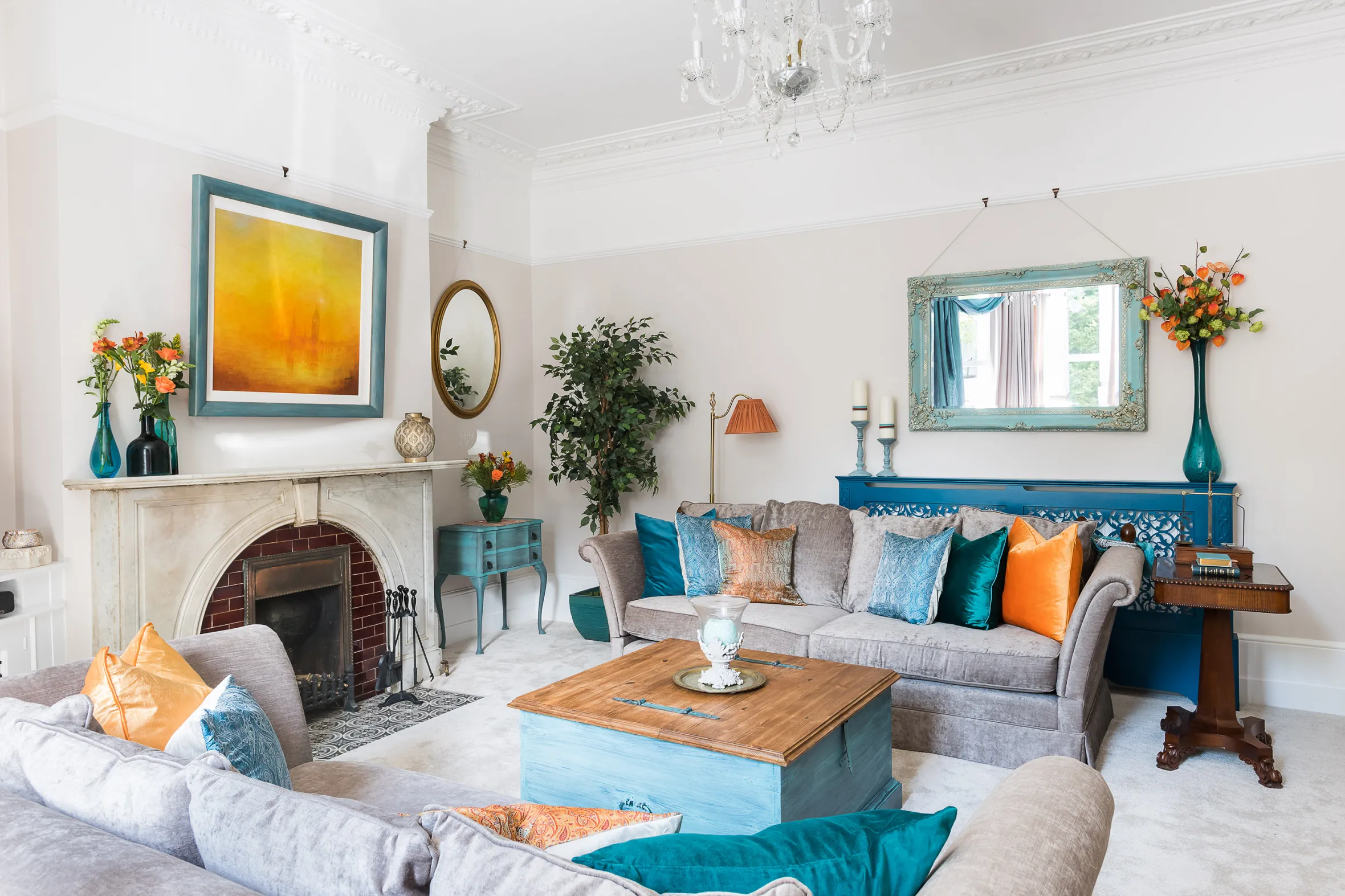 The family’s former living roomVeronica Rodriguez
The reason is divorce, and not the gentle kind. Downsizing after separation is symbolic. Creating a space that is yours and yours alone is empowering. But that does not make the sadness any easier. Memories linger everywhere.
At the same time I have been helping a remarkable 90-year-old woman move from her six-bedroom home into a two-bedroom apartment. Hers was a masterclass in perspective. Where I hesitated, she was decisive. “I do not need it,” she said, with enviable clarity. Yes, there were sentimental moments, but they did not stop her. She was thrilled at having less to manage, less to carry.
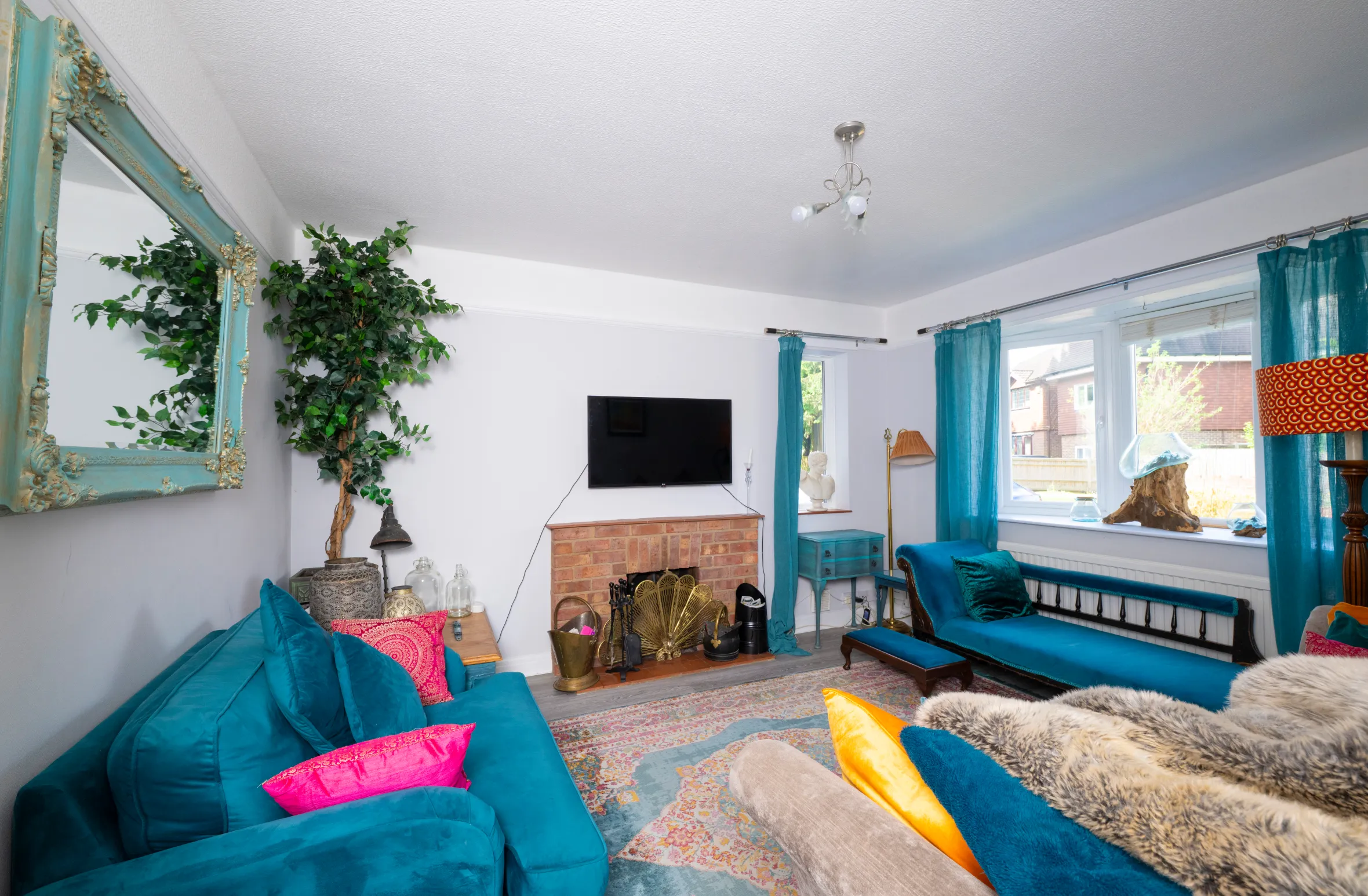 The new living room is smaller but easier to manageLucy Young for The Sunday Times
Meanwhile, I faced my possessions and realised I needed to part with at least half. It took three months, which I did before putting the house on the market. I’ve decluttered more as I’ve packed, knowing the space (or lack of) I will have. Thanks to my decluttering efforts, we pulled off a one-day move with just two Luton vans and a transit driven by me — even if they each had to do a couple of extra runs. Now I’ve moved, more needs to go. I still haven’t managed to unpack the kitchen in the new house because I need to get rid of even more.
Decluttering when you have space is one thing. Editing your life to fit a smaller footprint is another.
Tip one: be ruthless, not sentimental. If it does not serve your future, question why you are keeping it. Memories do not live in objects — they live in us.
Some decisions were genuinely painful. Furniture inherited from my grandmother will not fit. The grand piano had to stay behind. Letting them go feels like closing a chapter I am not ready to end.
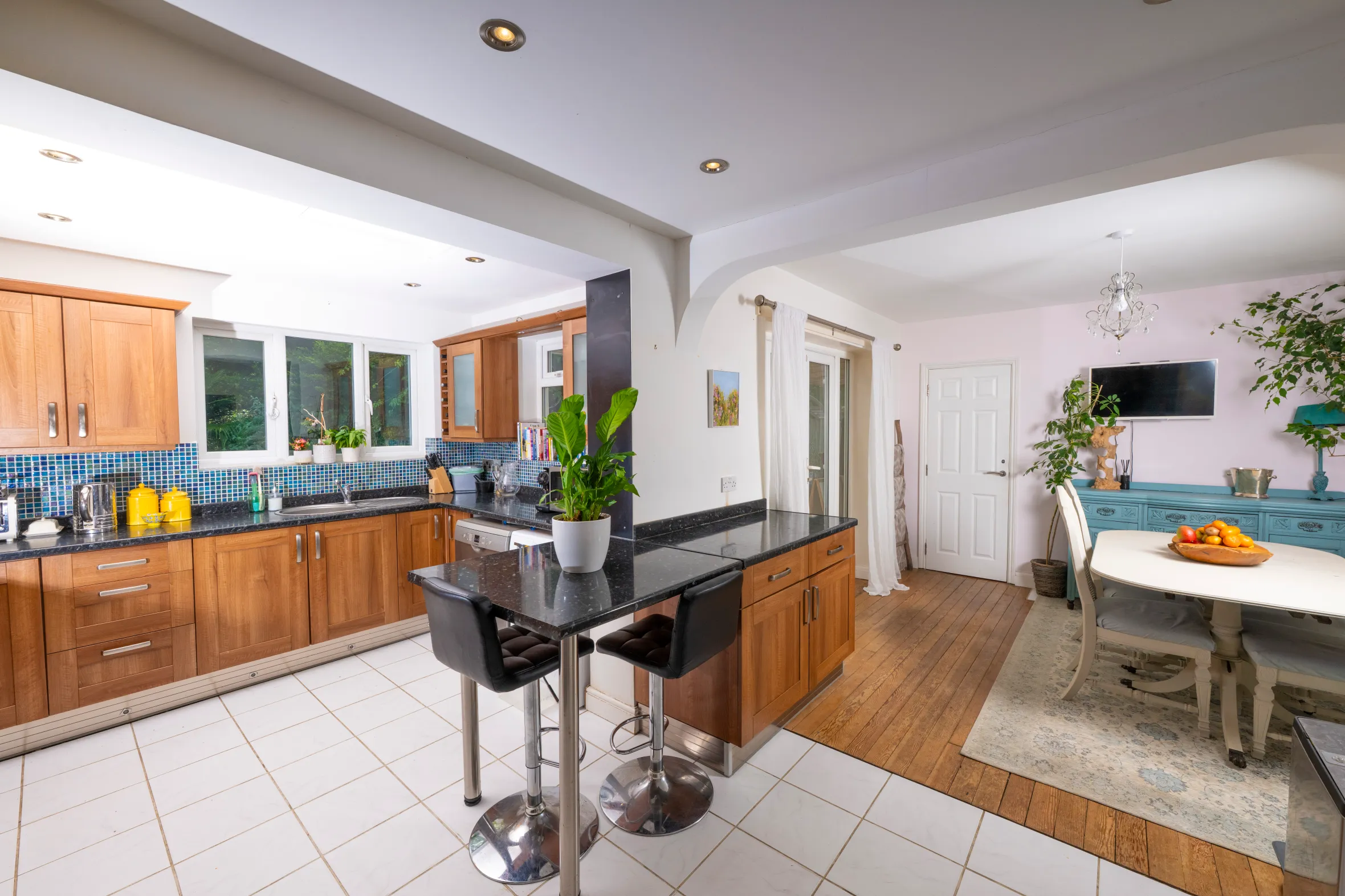 Downsizing has helped Burnett to separate memories from physical objectsLucy Young for The Sunday Times
My children, aged five and 11, have found it hard. Managing their emotions while quietly navigating my own has been the most challenging part.
Our cat, Dexter (who is not happy), has also moved with us. A sweetener to my daughter was that she could have a hamster when we exchanged contracts, so the hamster has come too.
Tip two: involve children, but tread carefully. I tried to do the right thing with my childhood rocking horse and sell it. I had a buyer, but when the children went to say goodbye to it they were distraught, weeping proper heartbreak. I cancelled the sale. The compromise is that it stays for now. If they do not play with it for six months, it goes. They won’t, so its days are numbered. It has plonked itself in the new house and we all shimmy around it.
Property newsletter
Inside Britain’s most exclusive homes, plus what’s really going on in the property market.
Sign up with one click
Tip three: notice your patterns. As I sorted cupboards, I began questioning why I owned so much. Was I filling space or something else? Perhaps I had been buying things to soothe discomfort. Downsizing forces you to confront that. At the same time, it helps your tighter budget going forward.
And yet, there is something appealing about the next chapter. The new house is smaller, yes, but cosier, more contained, more manageable. Already, despite the boxes, it is beginning to feel like ours.
That is what I keep telling the children. The love does not stay behind. It moves with you.
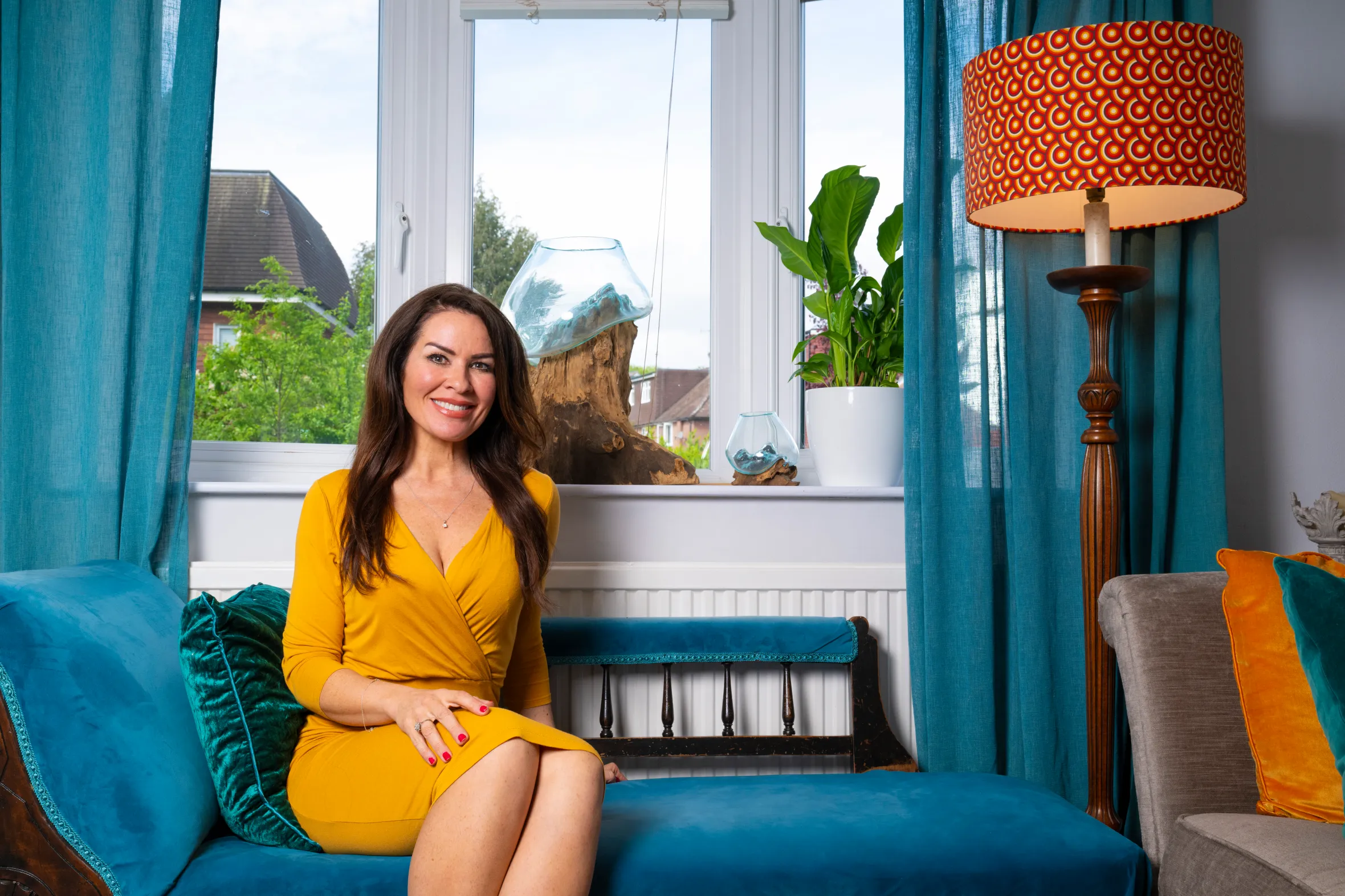 Despite the upheaval, Burnett says her new house is beginning to feel like homeLucy Young for The Sunday Times
Tip four: focus on what you are gaining. Less to manage, less to maintain, less stuff weighing you down. More clarity, more intention, lower bills.
Would I say it has been easy? Not remotely. Downsizing, especially after divorce, strips things back in a way that is deeply personal. But somewhere between the letting go and the starting again, there is a quiet sense of lightness. And, unexpectedly, a flicker of excitement.
If this house built my past, the next one, smaller and simpler, might just shape everything that comes after.