
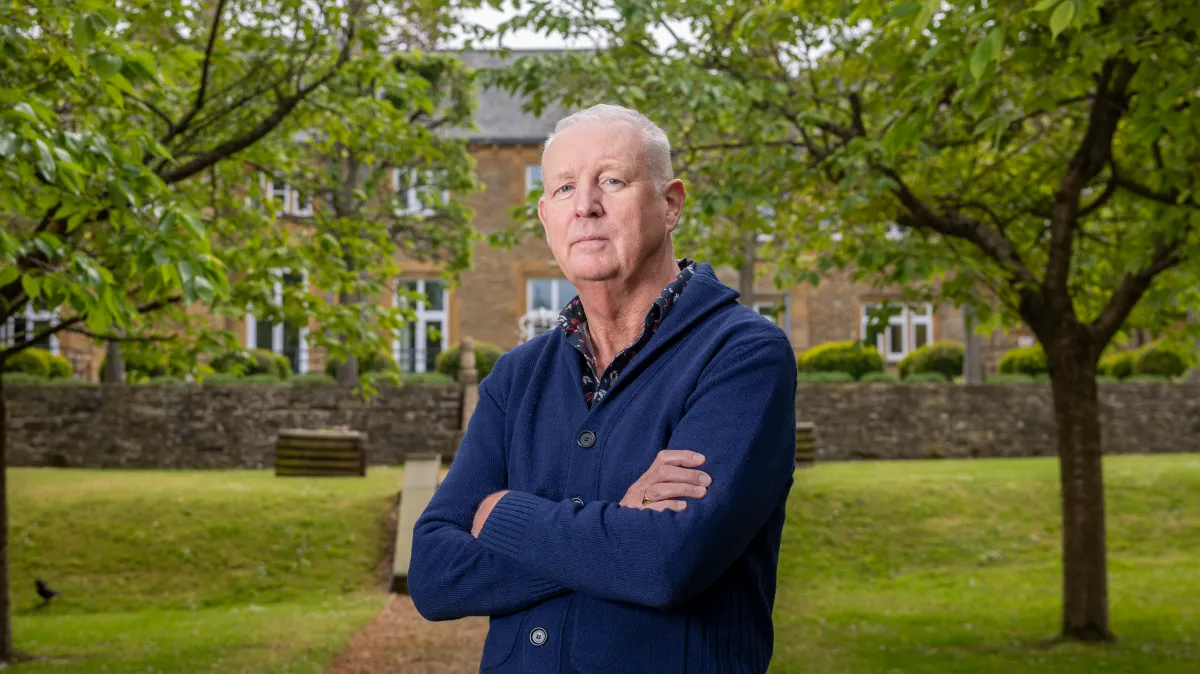
Businesses in the hospitality, farming and transport sectors have been left in “total survival mode” by surging energy prices caused by the Iran war.
While there are signs the conflict may be drawing to a close, with a peace deal between Tehran and Washington said to be “largely negotiated”, businesses are warning that time is running out to prevent prices rising significantly for families.
Costs for hauliers have risen by tens of thousands of pounds a week, and farmers have had to choose whether to sell stocks of fertiliser rather than plant crops as it was more profitable.
One hotel owner said his heating costs had risen by more than 75 per cent, meaning he was “living day to day”.
The IMF said the UK was forecast to have the joint highest inflation in the G7 this year, along with the United States, and warned that the war would hit Britain the hardest of any of the world’s advanced economies.
Small business owners told The Times of the tsunami of cost increases, warning it was only a matter of time before households were hit by higher prices.
An estimated 180,000 businesses have had to sign more expensive energy contracts since the war started.
Shaun Whitehouse, the co-owner of Lanes Hotel, a boutique spa in Somerset, said the cost of heating oil to provide hot water for guests had increased by 76 per cent and left his business, which employs 35 staff, “in total survival mode”.
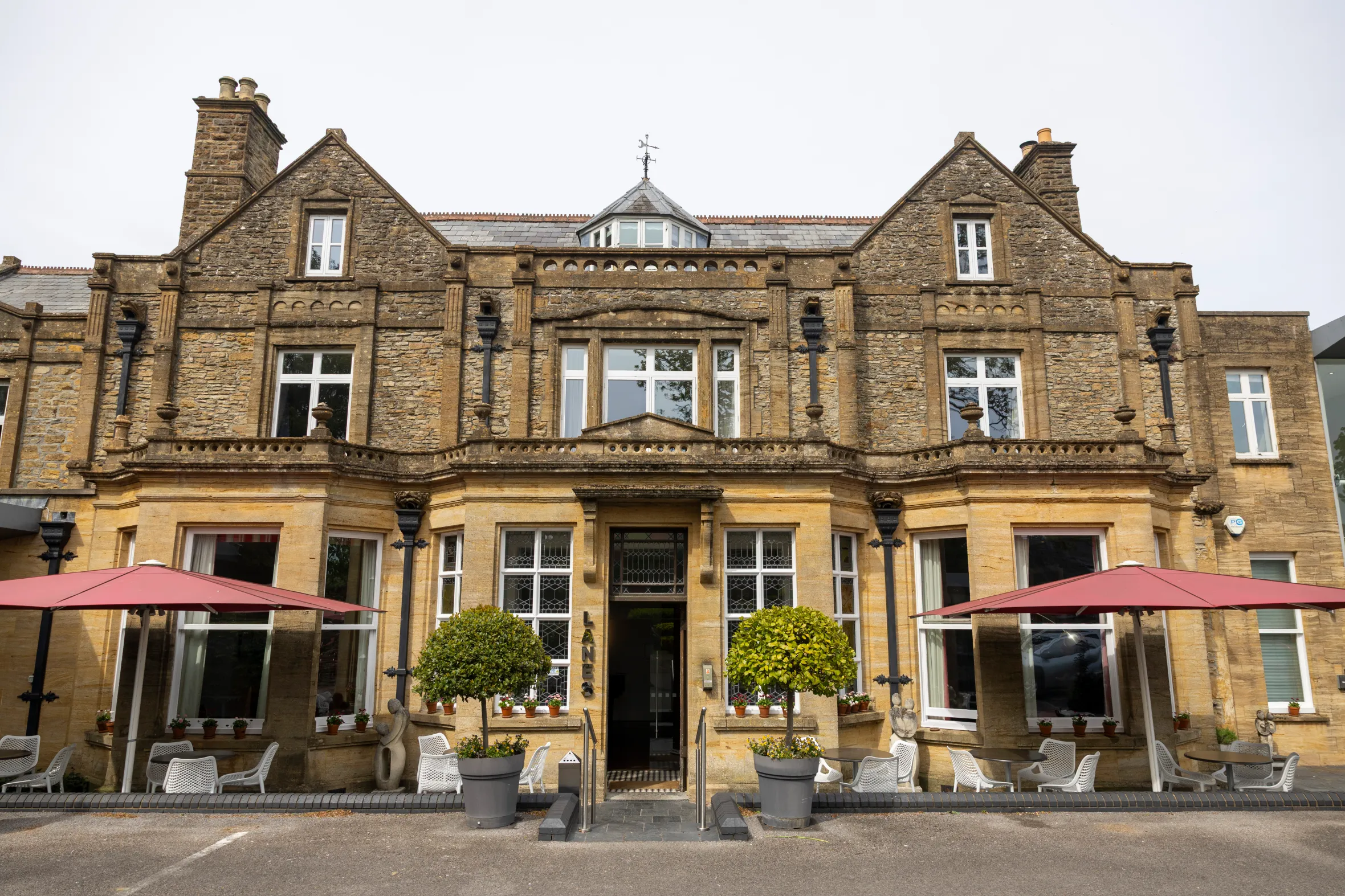 The Lanes Hotel Brad Wakefield for the times
Whitehouse said the hotel, which is off the national gas grid, had seen the cost of heating oil rise from 81p to 143p a litre in two weeks. At the same time, the national living wage and business rates increased.
“We’re struggling to keep our heads above water,” he said. “There’s not a lot we can do. We have got to heat the place, and water, so we just have to absorb it.
“Today I am covering three jobs; seven days a week of this and not being able to pay yourself enough money at the end of the month is just grim.”
The 61-year-old director has spent almost 50 years working in the industry. “I’ve never seen it be this hard in hospitality,” he said. “When the US started the military action, it was very bleak, but we just live day to day and keep putting out fires.
“It seems that rural communities are just swept under the carpet by the government … that’s the feeling post-pandemic when this happened then.”
Rod Spence, who owns a 1,000-acre family farm and a butchery business in the Hodder Valley, Lancashire, said: “The rising costs are colossal.
“We’ve just come out of the lambing season. Even the petrol prices cost us an extra £10 to £15 a day just to check the sheep. Contractors’ fees are all going up because of the price of the fuel, and fertiliser has absolutely rocketed.
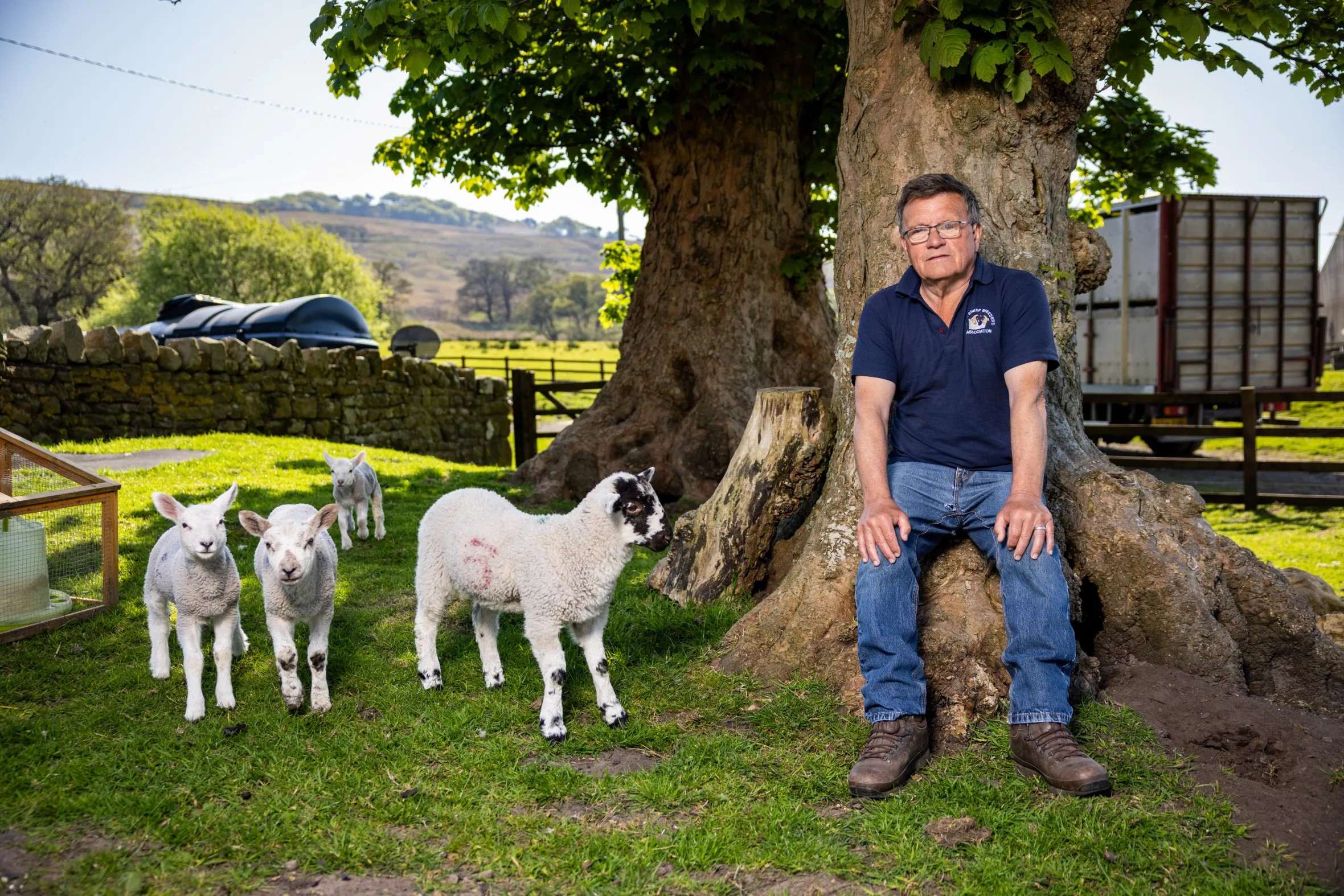 Rod Spence at his farm near Clitheroe, Lancashire. His oil tank is in the background.ames Speakman for The Times
“Food prices for the cattle have risen simply because it’s costing more to deliver it. When you live somewhere quite rural, it’s ten miles to the nearest garage, so those extra costs to get fuel for quad bikes all mount up.
“I’ve listened to some of these cereal guys and they say, ‘Well, we’re going to sell the fertiliser rather than plant the crop because there’s more guaranteed profit.’”
He has kept his prices stable and his family is absorbing rising costs by diversifying, with their butcher’s shop, simulated clay pigeon shoot and fencing business.
Charles Bowman, who runs the Inn at Whitewell, in nearby Clitheroe, said heating oil and gas prices had gone up by almost 30 per cent.
“Our prices for the year were already fixed six months before … We are facing the living wage increase, we are now at a bottleneck. It feels like the chancellor has strangled us,” he said.
“We can’t have people with cold water or bedrooms, so we can’t even fight against it.”
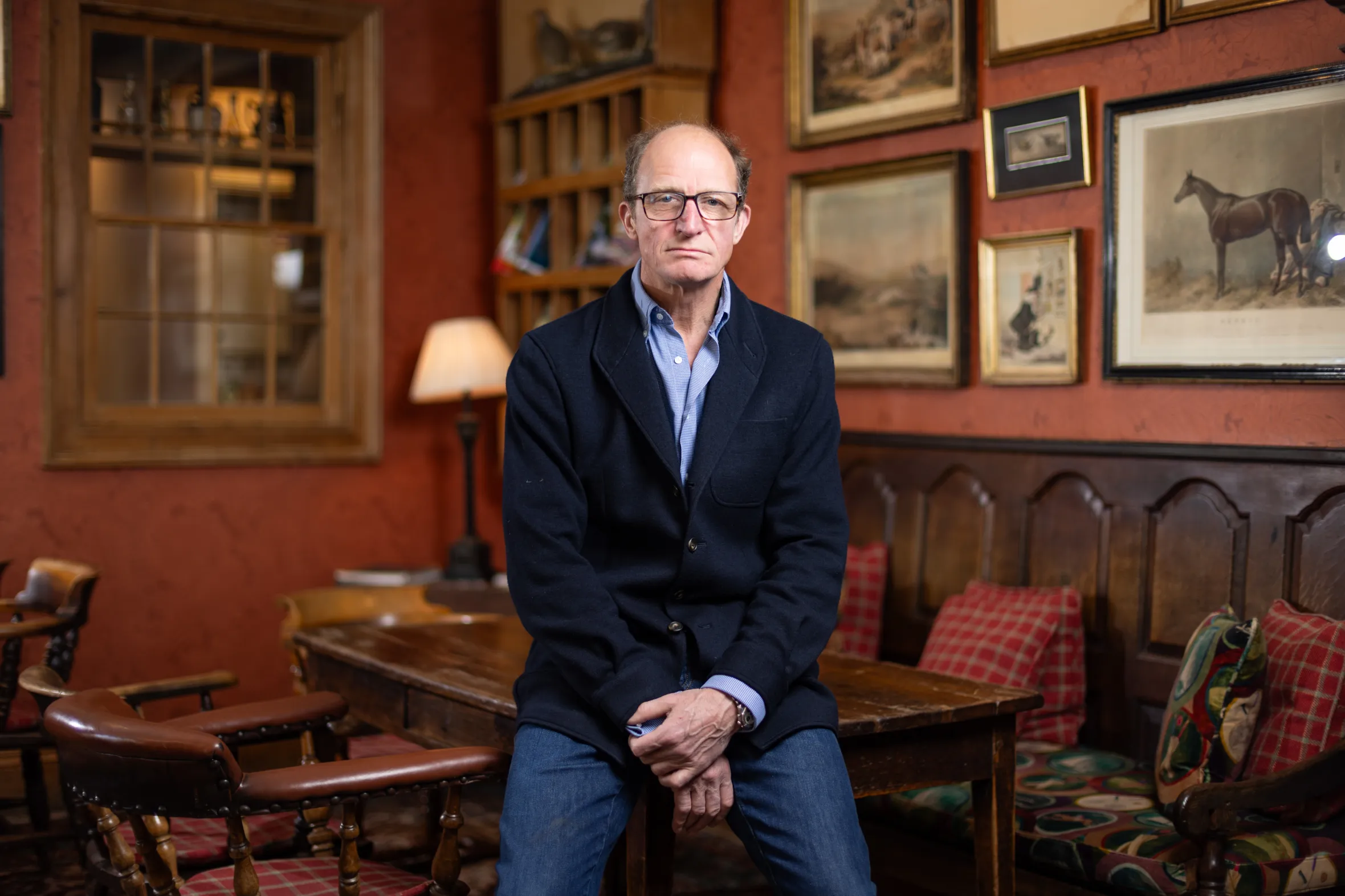 Charles BowmanJames Speakman for The Times
The energy regulator, Ofgem, estimated that up to 10 per cent of businesses would have renegotiated fixed-price energy contracts in March and April, forcing them to pay significantly higher rates. A further 10 per cent were expected to need to renew contracts in May and June.
Heating oil is often supplied by refineries in the Middle East, where the conflict has severely limited production.
The cost of filling a typical 55-litre car tank with petrol has increased by £14 since the conflict began, and an average tank of diesel costs £27 more.
The Road Haulage Association (RHA) called on the government to take urgent action after fuel costs rose by about 40 per cent.
“For operators in our space, this can be the difference between viability and closure,” the trade body said.
It added that coaches and lorries were the hardest hit, with the cost to fill a coach with a 300-litre tank rising by £150, and lorries with a 600-litre tank by £300.
The RHA said one haulier was “dealing with an extra £40,000 per week in expenditure. Others, including coach operators, are looking at between £15,000 and £20,000 more.”
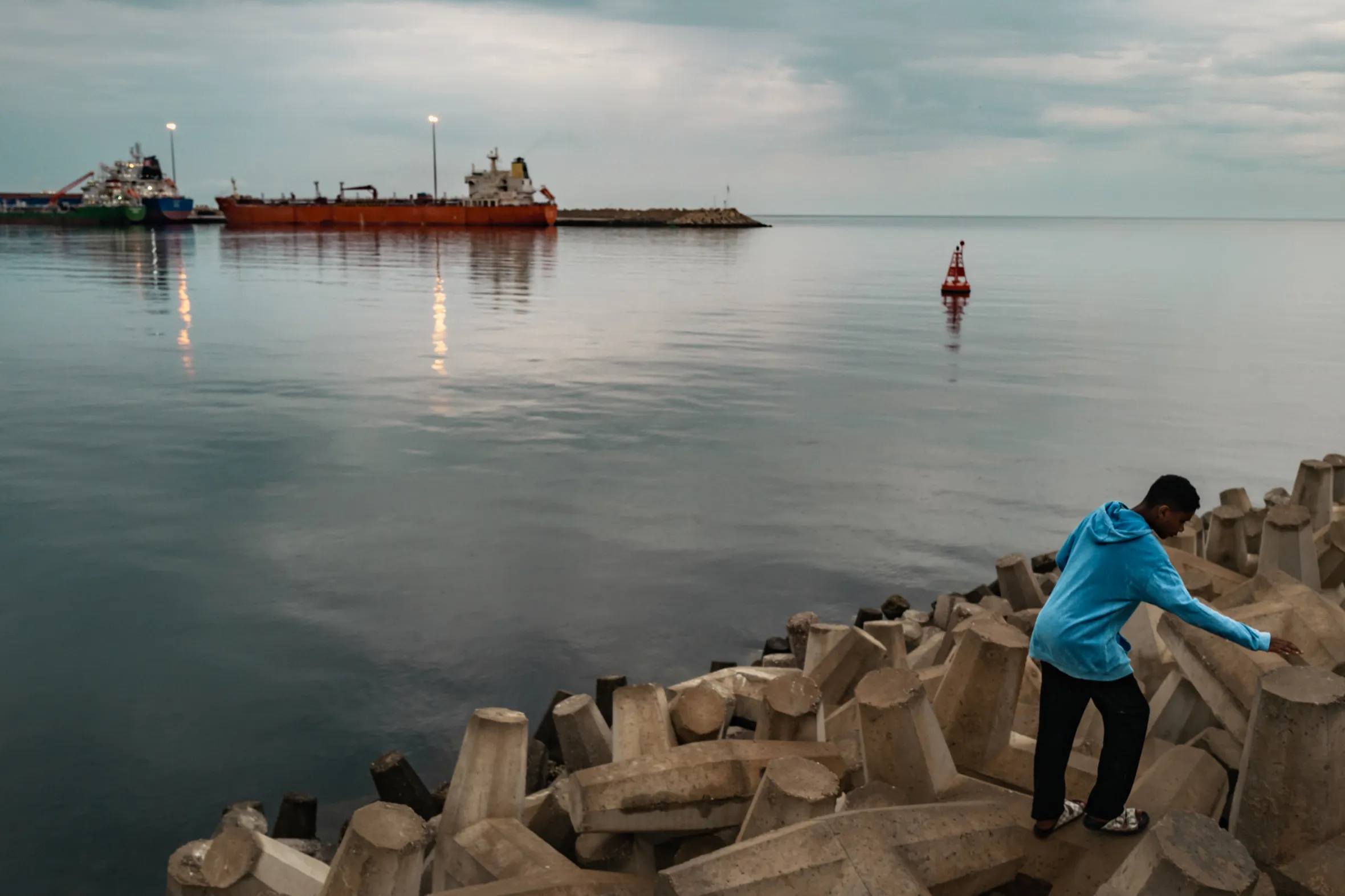 The Strait of Hormuz remains effectively closedElke Scholiers/Getty Images
Tina McKenzie of the Federation of Small Businesses said that higher fuel costs “affect pretty much every business, even if they don’t have their own vehicles to run”.
She said: “Spikes in fuel costs suppress economic activity and raise the risk of a downturn, something we as a country cannot afford. As an emergency measure, we’re calling for the government to introduce an emergency temporary cut in fuel duty by 5p per litre.”
Kate Nicholls, the chair of UK Hospitality, said some of its members “are already seeing prices spike, particularly those that are coming to the end of fixed contracts”.
She added: “Rural hospitality and tourism businesses that are off grid will be particularly impacted by hikes to heating oil prices.
“Ultimately, it will result in price rises at the till, further driving inflation.”
Last month the Bank of England held interest rates at 3.75 per cent but warned it would have to rise if fallout from the conflict continued. One think-tank predicted inflation would exceed 4 per cent this year.
British families have already reacted, cutting pension contributions and boosting savings in anticipation of future price rises.