
A Lincolnshire-based researcher who helped identify extinct Arctic mammals says the discovery could offer insight into how some species survived mass extinction events.
Dr Sarah Shelley, a palaeontologist and postdoctoral researcher in the School of Natural Sciences at the University of Lincoln, was part of a team that uncovered three previously unknown species of extinct mammals that lived alongside the dinosaurs.
Roughly the size of modern mice and rats, the animals were identified from fossil teeth found in northern Alaska and date back more than 70 million years.
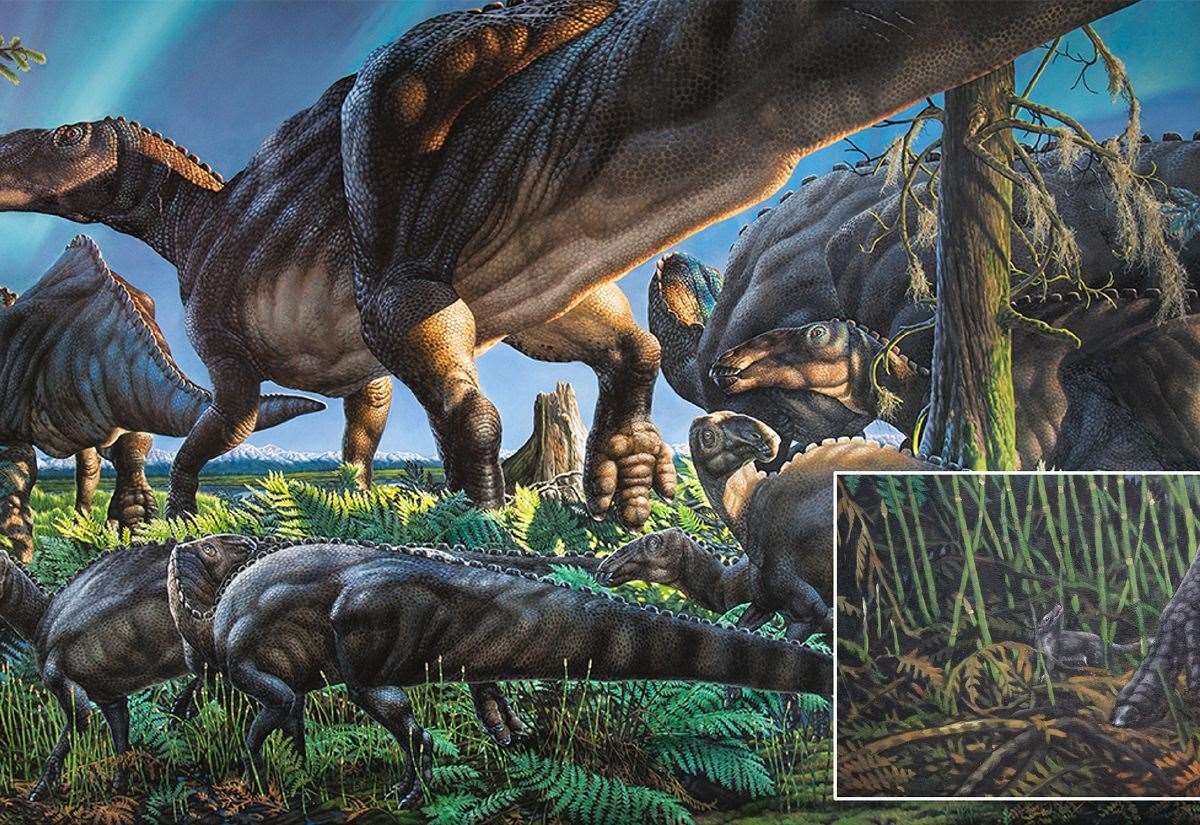
 A University of Lincoln researcher has helped identify three extinct mammals that outlived the dinosaurs. Picture: Submitted
The findings suggest the Arctic played a far more important role in mammal evolution than previously thought.
Dr Shelley said: “While the polar regions don’t host the same level of biodiversity as the tropics, they were still very active places for life to flourish, extending far back into deep time.”
Despite months of winter darkness, freezing temperatures and seasonal food shortages, the research suggests the mammals most likely had varied diets, with some feeding mainly on plants, while others were probably omnivores that also ate insects.
This flexibility may have helped the animals survive environmental pressures and coexist in a region where food was limited.
The tiny mammals were discovered in northern Alaska and date back more than 70 million years
“There’s a lot of diversity in the multituberculate group,” said Dr Shelley. “They lived for an incredibly long time, and I think they can reveal a lot about the resilience of mammals, not just to mass extinction, but also to climatic stresses that many organisms are facing today.”
The study also addes to growing evidence that animals moved between Asia and North America much earlier than previously understood.
Dr Shelley added: “It really challenges how we think about native species. Deep time reminds us that a place is not just a point on a map, but a long, layered history of landscapes and inhabitants.”
The research was completed during Dr Shelley’s previous role at the University of Colorado Boulder, in collaboration with colleagues at the University of Alaska and Florida State University.