
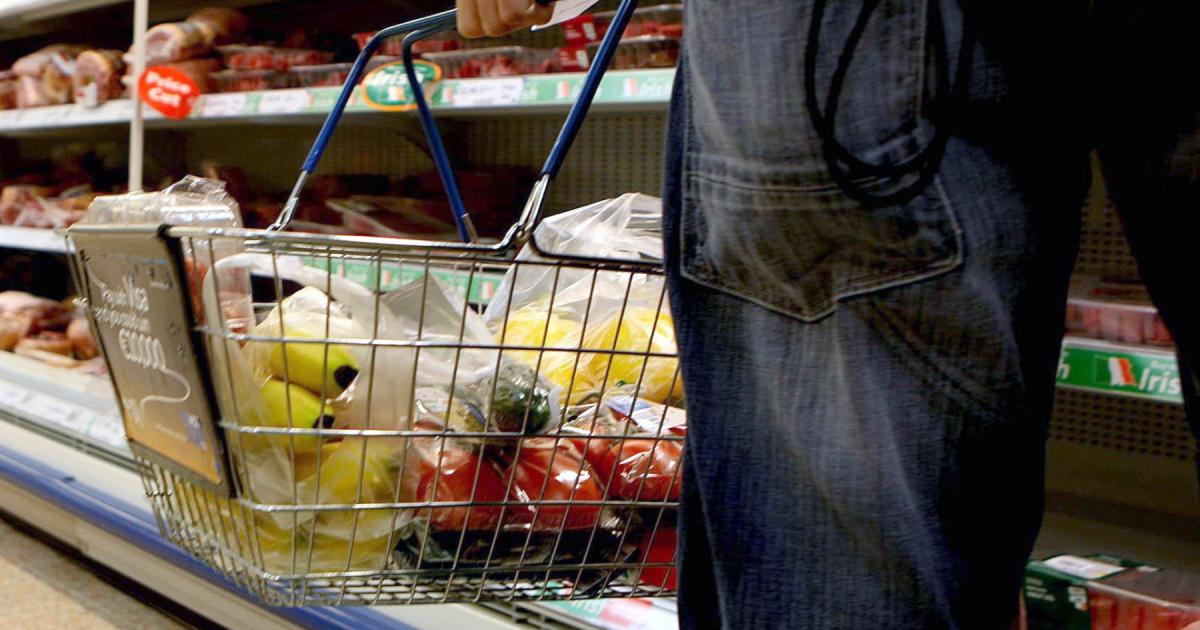
A major new report by the Energy and Climate Intelligence Unit (ECIU) has found that household essentials, including bread, pasta, rice and cooking oils are likely to remain expensive for years, even after the original causes of inflation begin to ease.
The warning comes as families across the town continue to battle the cost-of-living crisis, with many already feeling the strain from soaring energy bills, rent increases and rising mortgage payments.
According to the report, food prices caused by major global “shocks” tend to rise rapidly but only fall very slowly afterwards — a phenomenon experts describe as the “rocket and feathers” effect.
Researchers found that after six months, supermarket prices typically fall by just 1% of the original increase. Even after two years, prices have only dropped by around 7%, leaving households paying significantly more at the tills long after crises have faded from the headlines.
The latest concerns centre around ongoing instability in the Middle East, which has pushed up the cost of oil, gas and fertiliser used in farming, food processing and transport.
At the same time, the El Nino weather pattern is bringing hotter global temperatures and damaging harvests in key food-producing regions around the world.
Experts say products linked to tropical climates — including chocolate, coffee, tea, bananas, rice and sugar — could see some of the biggest price pressures in the coming months. Meat prices may also continue to rise because livestock feed such as soy is becoming more expensive.
For Swindon residents, the impact could be felt in nearly every weekly shop.
Families already carefully budgeting may find that staple cupboard items such as bread, pasta and cereals continue creeping up in price, while treats like chocolate and coffee could become increasingly unaffordable luxuries for some households.
Many residents have already noticed the sharp rise in grocery costs since 2021, with food prices nationally climbing by more than 40% in just a few years.
Local charities and food banks in Swindon have also seen growing demand as more working families struggle to make ends meet.
The report warns that lower-income households are being hit hardest. For families with children in the lowest fifth of earners, eating a healthy diet now requires spending around 70% of disposable income after housing costs.
Food and farming analyst Chris Jaccarini said shoppers’ fears about constantly rising prices were “borne out by the data”.
He said: “War and extreme weather are increasingly pushing up the cost of the weekly shop with the latest conflict in the Middle East driving up the price of oil, gas and fertiliser used to grow, ship and process food.
“In England, we’ve had three of the worst harvests on record in the past five years and next year is shaping up to be the hottest globally.”
Mr Jaccarini warned that climate change and global instability mean these shocks are likely to become more frequent unless action is taken to improve food resilience and reduce reliance on fossil fuels.
Former Government food strategy adviser Henry Dimbleby said Britain’s food system had become too dependent on volatile energy prices and fragile supply chains.
He said: “Food inflation has been brutal — and it will keep biting unless we tackle the underlying causes.
“As climate change and energy volatility worsen, shocks are likely to become more frequent and more severe.”
Experts are now urging ministers to strengthen the UK’s food supply chain and create long-term plans to protect households from future price surges.
For many families in Swindon, however, the reality is far more immediate.
With wages still struggling to keep pace with inflation, residents face the prospect that higher food prices may simply become part of everyday life — leaving many wondering how much further household budgets can stretch before breaking point.