
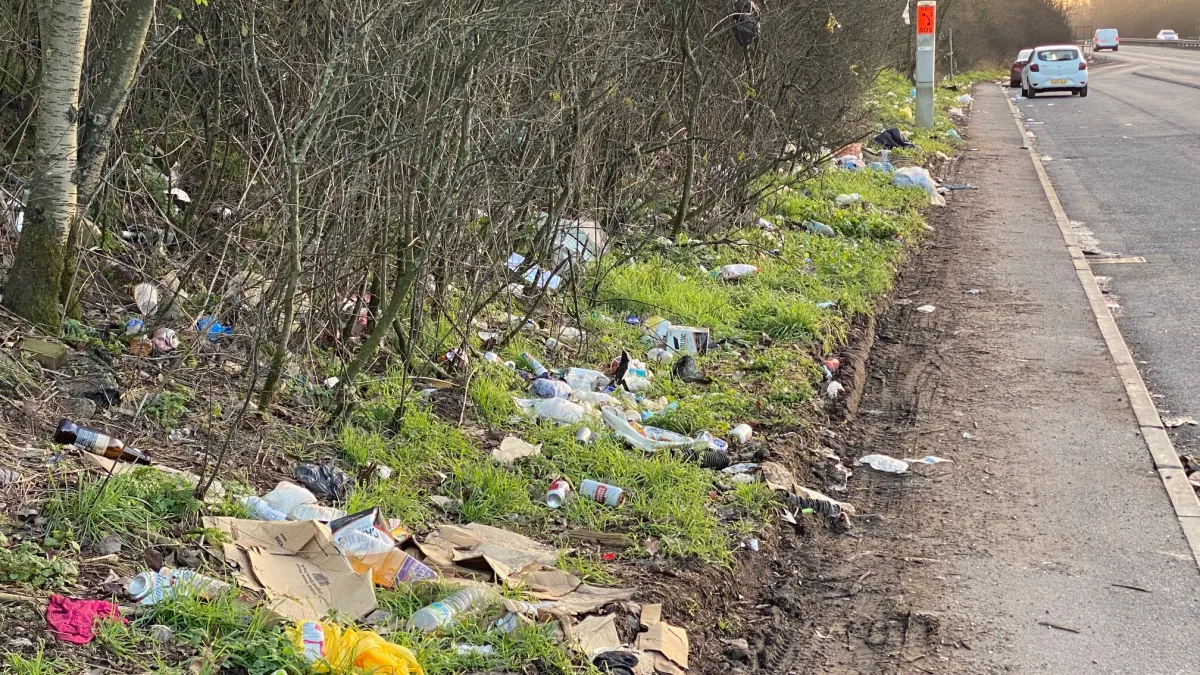
Motorway junctions and slip roads should be fitted with specialised litter cameras to catch and fine motorists who throw rubbish, campaigners say.
Under a plan designed to reduce the amount of waste on England’s roads, the network of cameras would scan vehicles and trigger £500 fines for the registered owners of offending cars.
The blueprint, published in a report by the national campaign group Clean Up Britain, comes as there are warnings that highway authorities are “breaking the law every single day” by failing to tackle rubbish on slip roads, roundabouts and lay-bys.
Campaigners estimate that deploying the technology across all 666 motorway junctions would more than halve roadside litter within a few years, and the scheme would pay for itself within three.
John Read, the founder and managing director of Clean Up Britain, said: “Pressure needs to be put on National Highways because they are literally breaking the law every single day and are allowed to get away with it. The same goes for councils.
“Section 89 of the 1990 Environmental Protection Act states that National Highways and local authorities have a statutory duty to ensure their land is kept free of litter — that includes every slipway, motorway junction and roundabout. No one breaks the law more than the British state and everyone ignores it as if the law doesn’t matter.”
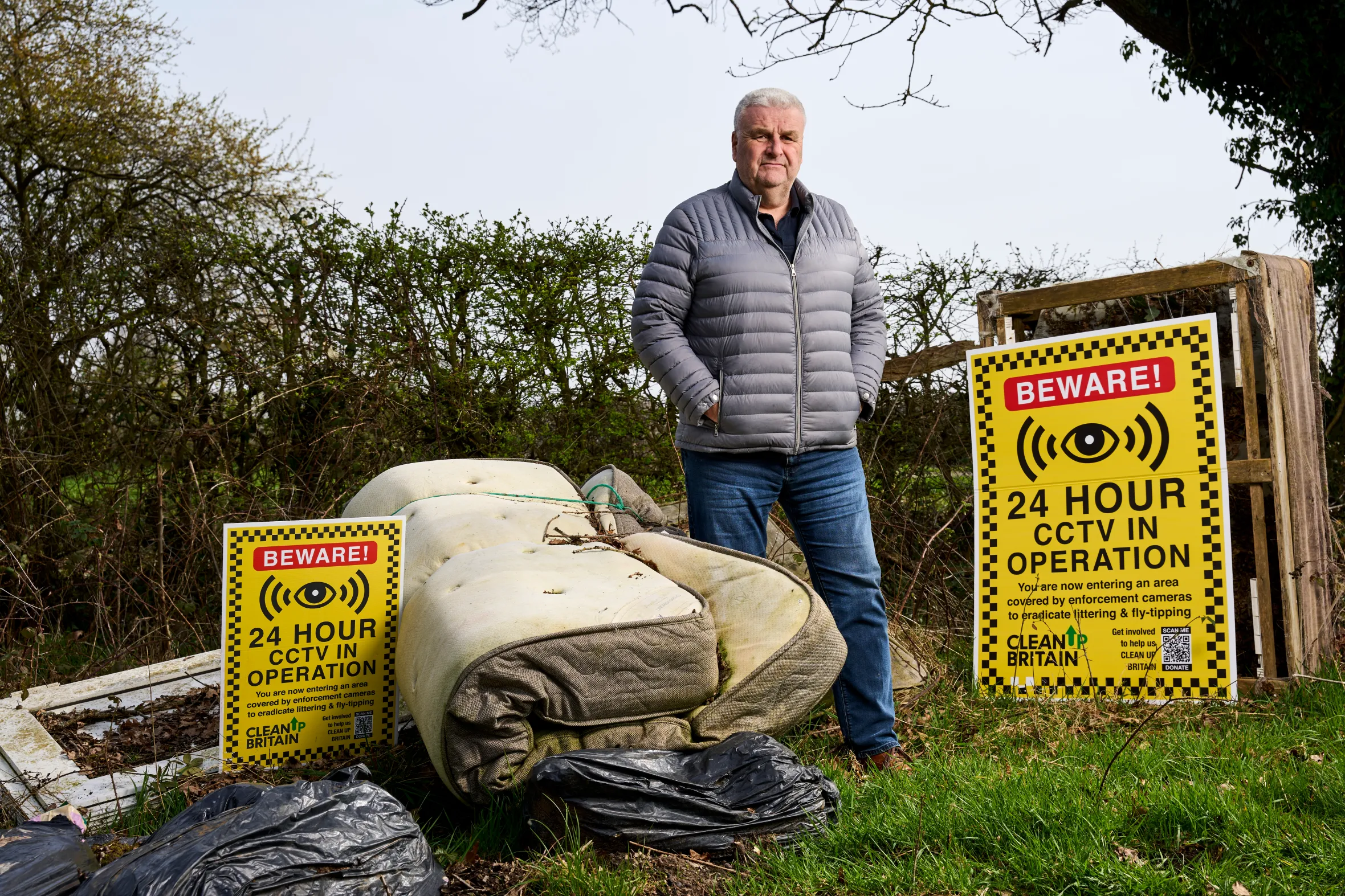 John ReadOli Lees FOR THE TIMES
England’s motorway network produces about 200,000 sacks of litter every year and the majority is thrown from vehicles.
Cardiff University field research showed that about 20 per cent of motorway litter sits within 100 metres of junctions, which represent about 2 per cent of the network length.
Environment newsletter
The latest climate, energy and nature news and analysis, plus reasons to be hopeful.
Sign up with one click
National Highways spends roughly £40 million annually on reactive clearing and the public continues to pay for it through general taxation and delays.
Campaigners say the AI-powered litter cameras would operate in a similar fashion to speed cameras. The cameras would have the same deterrence effect on widespread behaviours committed by otherwise law-abiding individuals, in which the perceived risk of getting caught is the primary cause of compliance.
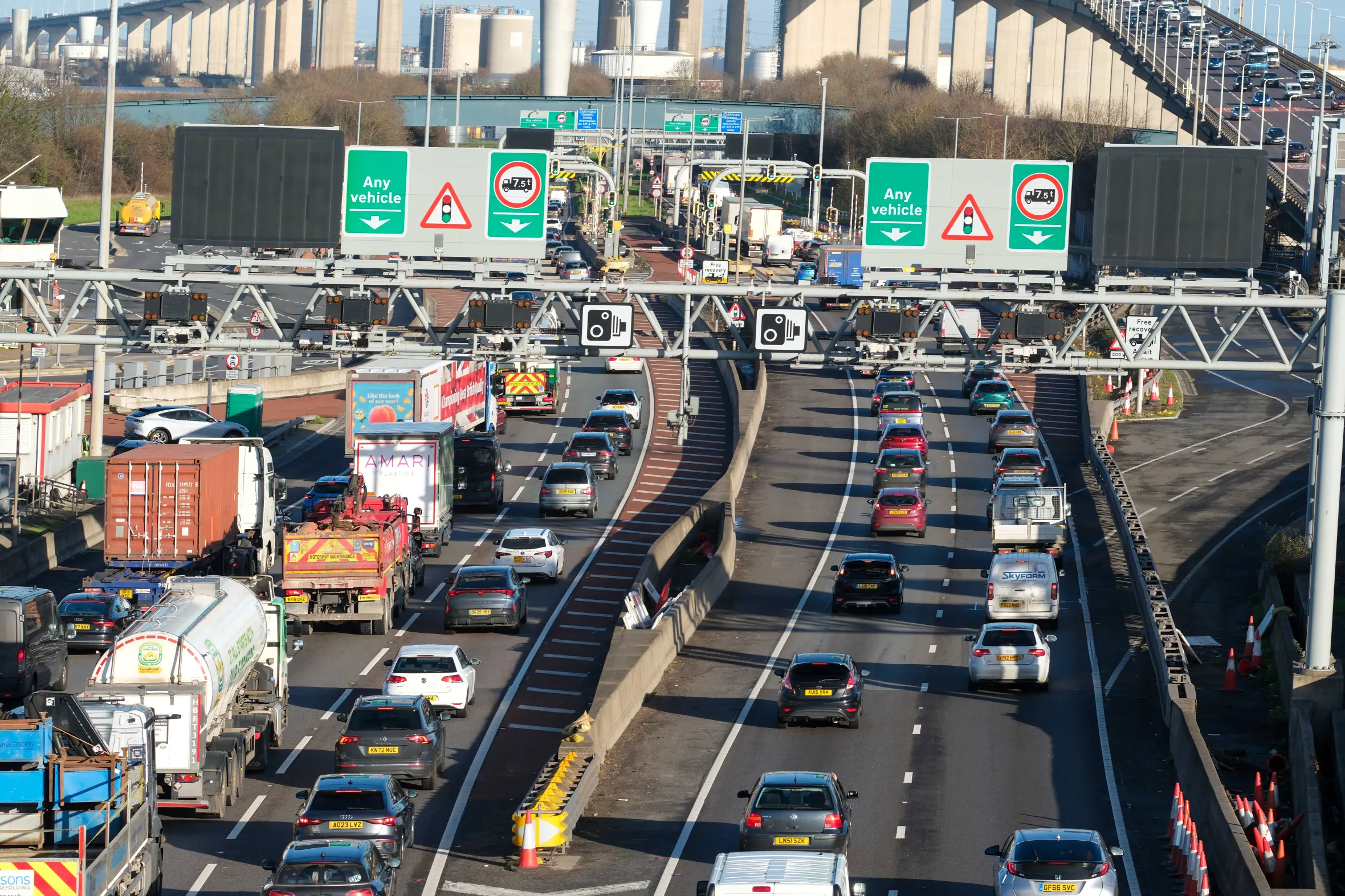 The cost for two cameras at each of England’s 666 motorway junctions would be about £34.5 million, campaigners sayPaul Edwards
When the AI system detects litter being thrown from a vehicle, a back-office processing team reviews the detected event to confirm the offence before issuing a fixed penalty notice to the registered owner. This is in line with the existing keeper-liability framework operating in more than 240 English local authorities under the Littering From Vehicles Outside London (Keepers: Civil Penalties) Regulations 2018.
Camera deployment would be accompanied by public information signage at each junction, communicating the scale of the litter problem and the presence of enforcement cameras.
Clean Up Britain wants the Department for Transport and National Highways to commission a 12-month pilot at about 30 motorway junctions to validate detection rates and operational costs.
A government spokeswoman said they were “actively exploring options to give National Highways new powers as a litter enforcement authority, which would enable them to fine offenders”.
Clean Up Britain said the one-off capital cost for two cameras at each of the motorway junctions in England would be about £34.5 million, and there would be an annual operating cost of £3 million. Camera replacement every eight years would cost £13 million.
Their analysis shows the programme would pay for itself within three years and delivers £1.63 of social benefit for every £1 of cost. Payment rate is assumed at 70 per cent, in line with typical fixed penalty notice payment rates for other offences, giving a net annual revenue of £17.5 million by the third year.
Detection volumes would decline as the deterrence effect kicks in, they said, so by the fifth year of operation it is estimated there would be a 60 per cent reduction in litter thrown from cars at junctions and net revenue would stabilise at £11.2 million per year.
Read said: “Vehicle-thrown motorway litter is currently functionally unenforced. National Highways has no enforcement powers and cannot issue fixed penalty notices, while local authorities have the powers to issue fines but cannot, in practice, gather evidence at motorway speeds without camera infrastructure.”
Section 89 of the Environmental Protection Act 1990 states it is the duty of the relevant authority that land and highways are “so far as is practicable, kept clear of litter and refuse”.
“In determining what standard is required, as respects any description of land, highway or road, for compliance [with the duty],” the law states, “regard shall be had to the character and use of the land, highway or road as well as the measures which are practicable in the circumstances,” the law states.
National Highways said: “We take our responsibilities under the Environmental Protection Act seriously and carry out litter picking across our motorways and major A-roads every day. Littering is a social problem, and the majority of rubbish on our roads is thrown from vehicles. The simple truth is that if people didn’t drop litter in the first place, it wouldn’t need to be picked up.
“Clearing it safely requires lane closures, which can delay drivers and costs taxpayers millions of pounds each year, while also putting our workforce at risk and harming the environment.”