
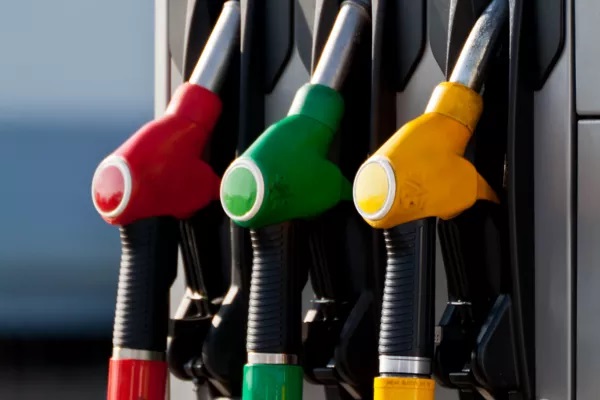
FILE – For illustration purposes only. [File photo: Lusa]
Bank of Mozambique governor Rogério Zandamela said on Monday that commercial banks have been financing fuel imports, linking fuel supply problems experienced in the country in recent weeks to the financial situation of some fuel retailers.
“There is room, but it is not being used because, due to decisions by these financial institutions, the entities that should have access to these guarantees, namely credit, are not in a position to do so (…) for various reasons, they are broken, bankrupt, they do not have meticais, among other issues. But that is the statistical situation we are experiencing,” said Zandamela, speaking to journalists after the meeting of the Monetary Policy Committee (CPMO), which is held every two months in Maputo.
At issue are widespread queues seen since April – with relative normalisation in recent days in Maputo – fuel stations without supplies across the country and several sectors forced to halt operations. On 7 May, the government decided to increase diesel prices by 45.5% and petrol prices by 12.1%, due to supply problems caused by the conflict in the Middle East.
In this context, the governor of the Bank of Mozambique assured that the role of banks in the import process, including the issuance of guarantees for overseas purchases, is being fulfilled: “We observe that the banks – and this is very important – are doing everything possible to support, they are indeed supporting, the data show this, they are committed and demonstrate that they are supporting and prioritising the fuel bill in their decisions regarding the allocation of foreign exchange funds, which is what they control.”
He added that commercial banks “are also prioritising the issuance of guarantees” for these imports, although their granting depends, he stressed, on the financial condition of the fuel retailers.
“We do not have a problem issuing guarantees to those borrowers who have the appropriate credit profile and capacity. Do not forget, a guarantee is credit. If you do not have the capacity to obtain that credit, even if you are a fuel retailer, the bank will not provide guarantees. So, we have situations where some institutions, particularly fuel retailers, are excluded from guarantees,” he said.
“Not because there is no availability – and you may ask, ‘but how do you know there is availability?’ We know because we have available guarantee limits. And the use of these available guarantees by fuel retailers is well below the limits,” the governor added, assuring that the process of allocating funds for fuel imports is being monitored directly by the government.
At yesterday’s CPMO meeting, the Bank of Mozambique decided to keep the benchmark interest rate unchanged at 9.25%, increased the reserve requirement ratio in local currency and acknowledged that inflation could rise into double digits due to the fuel crisis and the impact of shortages and price increases.
Prices in Mozambique rose by 0.63% in April, almost three times the increase recorded in March, according to data released by the National Statistics Institute (INE). Inflation in Mozambique stood at 3.23% in 2025, according to previous INE data, below the 2024 level and the government’s forecast, which projects inflation of around 7% this year.
Source: Lusa