
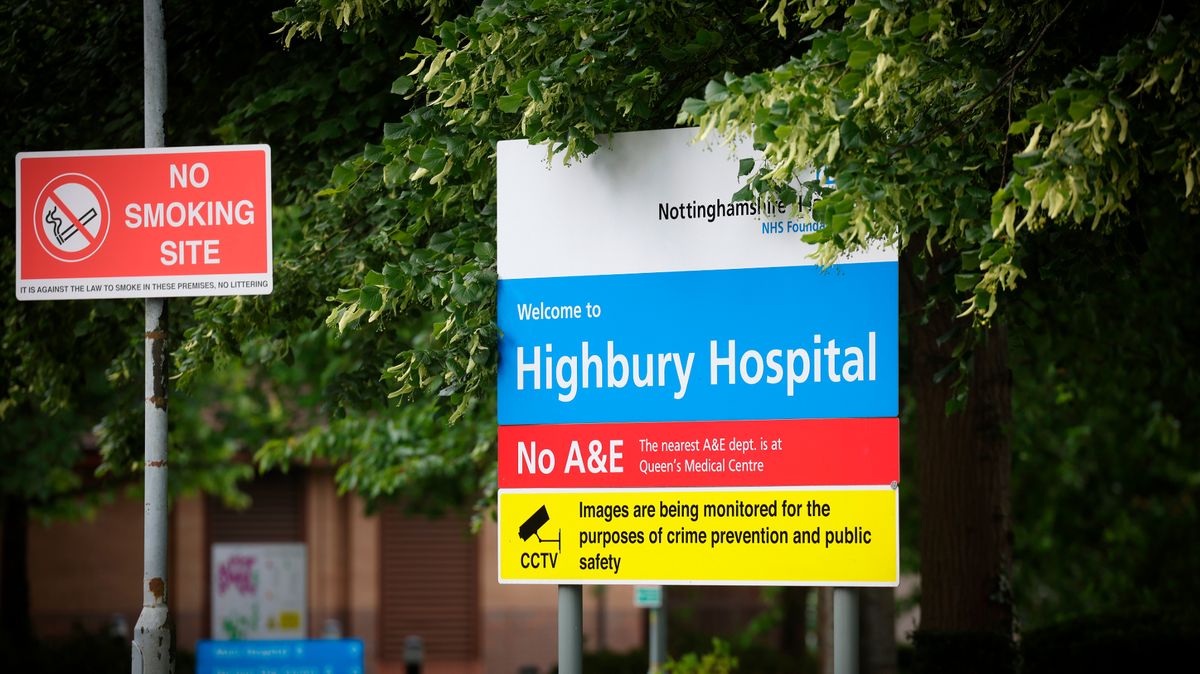
The under-fire Nottinghamshire NHS trust did not want any ‘unnecessary’ disciplinary investigations opened into its staff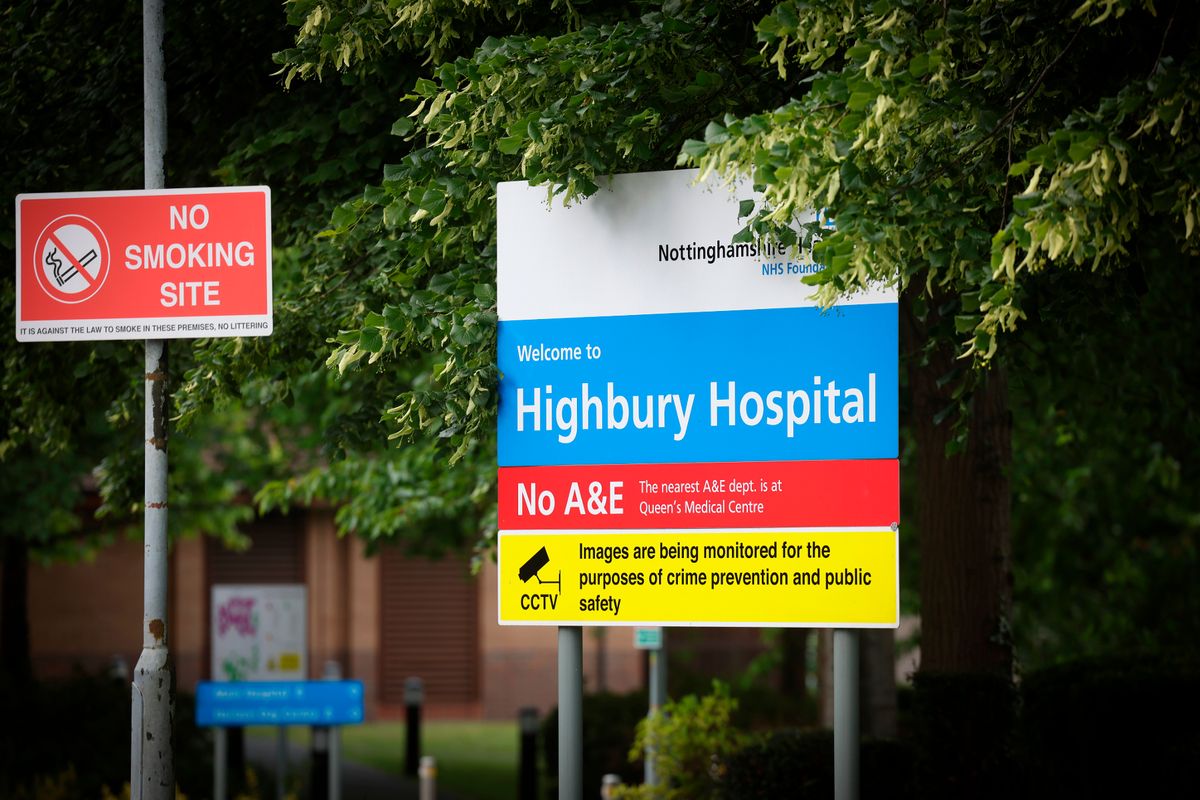
Highbury Hospital is the headquarters of Nottinghamshire Healthcare(Image: Joseph Raynor/ Reach PLC)
An under-fire Nottinghamshire NHS trust did not want any “unnecessary” disciplinary investigations into staff who dealt with a triple killer because it was an “exceptionally difficult time” for them.
The Nottingham Post previously reported that nearly three years on from the Nottingham attacks, no disciplinary action has been completed against the NHS staff who treated Valdo Calocane.
Calocane, who had around two years’ worth of contact with the Nottinghamshire Healthcare NHS Foundation Trust (NHFT), brutally took the lives of Barnaby Webber, Grace O’Malley-Kumar and Ian Coates in the early hours of June 13, 2023.
Significant errors made by the trust in their dealings with Calocane included the critical decision to discharge him back to his GP in September 2022 – just months before his attacks – because healthcare staff had “lost” him.
If severe concerns are raised about a medical practitioner during investigations by their NHS trust, they can be referred to the General Medical Council (GMC), the body which then assesses that person’s fitness to practise.
It was confirmed at the ongoing public inquiry into the Nottingham attacks on Wednesday (May 20) that NHFT has not referred a single one of its staff to the GMC.
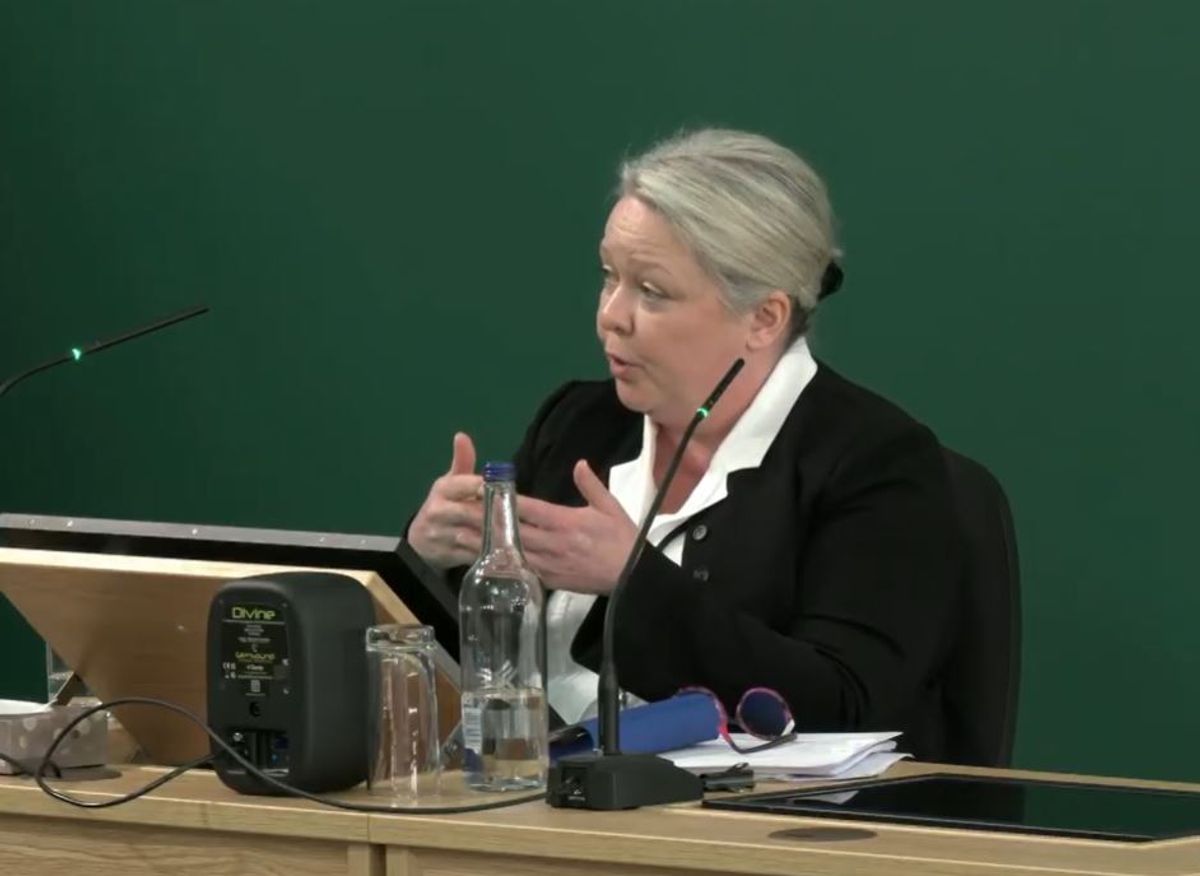
Dr Susan Elcock giving evidence at the Nottingham Inquiry(Image: Nottingham Inquiry)
Dr Susan Elcock, the trust’s deputy chief exec, confirmed that one NHFT doctor self-referred to the GMC, another was deemed not to meet the referral criteria, and another doctor was referred to the GMC, but the trust itself has not made any referrals so far.
NHFT paused its own investigations due to the Nottingham Inquiry taking place, but an email shown at the inquiry demonstrated that the trust did not want “any unnecessary investigations” as it had been an “exceptionally difficult time” for staff.
The email was from NHS Resolution, which offers advice on handling disputes, and provided a summary of a meeting they had in April 2025 with Dr Elcock.
Summarising the trust’s position, the email said: “This has been an exceptionally difficult time for the practitioners and you were keen to ensure that no unnecessary internal investigations are undertaken as they are already subject to significant external scrutiny.
“I fully appreciated this position, so we discussed that an initial fact-find may allow the matters highlighted (if any) to be managed through local support and remediation without recourse to any formal process. You would then be more assured that the doctors involved in this case are fully capable of delivering their clinical role.”
Asked about that email, Dr Elcock said: “That’s not taking away from the seriousness in any way, but it also spoke to the discussion that we had about this was such a complex, awful situation.
“A lot of time before we got to this was trying to work with the GMC [about] how do we subject doctors to the right appropriate scrutiny, absolutely.”
Asked if NHFT could have prevented Calocane’s attacks, Dr Elcock described it as a “very difficult [and] fine question”.
Angela Patrick, presenting questions on behalf of the bereaved families, asked: “If there is evidence before this inquiry that hasn’t been considered in the context of your own internal investigations, will the trust revisit those questions of disciplinary action?”
Dr Elcock confirmed this would be the case.
Previously confirming its position on disciplinary action to the Nottingham Post, NHFT said a series of reviews were ordered after the Nottingham attacks but that any disciplinary procedures were paused when the Nottingham Inquiry was announced.
NHFT says it will review evidence heard during the inquiry and complete any referrals needed once the hearings have concluded. The inquiry continues.