

The love grandparents have for their grandchildren is unconditional, but it seems love is coming at a cost at a time when many people’s finances are feeling the squeeze.
Research by Creditspring found grandparents estimate they spend nearly £20 a day looking after grandchildren – with 70 per cent saying it feels more expensive now than it did 12 months ago.
In Donna Doidge’s case, the 60-year-old from Atherstone said she is losing out on £500 a month from caring for her two grandchildren.
Shorts
Scroll to previous short
Scroll to next short

As a finance expert that’s made money mistakes in the past, these are the secrets I’ll pass on…
Clare Seal once had £27,000 of credit card debt. Now she’s a financial coach.
Here are the tips she’ll pass onto her daughter.


MONEY
Clare’s story
I want [my daughter] to learn from my mistakes and make smaller, less catastrophic ones.
Over the course of 10 years, Seal amassed debt that equated to her whole pre-tax salary. Some was down to high living costs and a low salary and some from her wedding.
Now she’s paid off her debt, she is teaching her child to avoid this – and be wiser.
Align your career and lifestyle aspirations
I’d like to make sure my daughter knows what sort of salary her chosen profession can command, what sort of hours she might work and where to set her sights when it comes to lifestyle. When there’s a mismatch, it can lead to frustration, resentment and debt if you try to make up the shortfall with credit.
CLARE SEAL, AUTHOR OF FIVE STEPS TO FINANCIAL WELLBEING
 Young woman making a payment with a credit card – stock photo. (Photo: Getty)
The money tips I’ll pass on
 Caption: A married couple sitting in silence, looking in opposite directions. The image captures the concept of female loneliness within a marriage, emotional disconnection, and relationship problems. Symbolizes quiet desperation and isolation at home
Photographer: Galina Zhigalova
Provider: Getty Images
Source: Moment RF
Keep a ‘freedom fund’
This is specifically designed as an escape hatch from a difficult situation, like a horrible partner or bad boss.
Start investing
Investing even just a
tiny amount of pay
could help to grow real financial security.
 Rent control has proved a controversial topic in the UK, but is used more widely across the world (Photo: Getty)
 (Photo: Tang Ming Tung/Getty).
Always negotiate
For women additional benefits like a generous pension, paid leave and health insurance, can make a huge difference.
The money tips I’ll pass on
Liking yourself is your armour
“I could not tell you how much I have spent over the years, trying to ‘fix’ the parts of myself that society told me were not good enough,” says Seal.
 Friendships can be hugely rewarding but like any relationship you have to nurture them (Photo: Halfpoint Images/Getty/Moment RF)
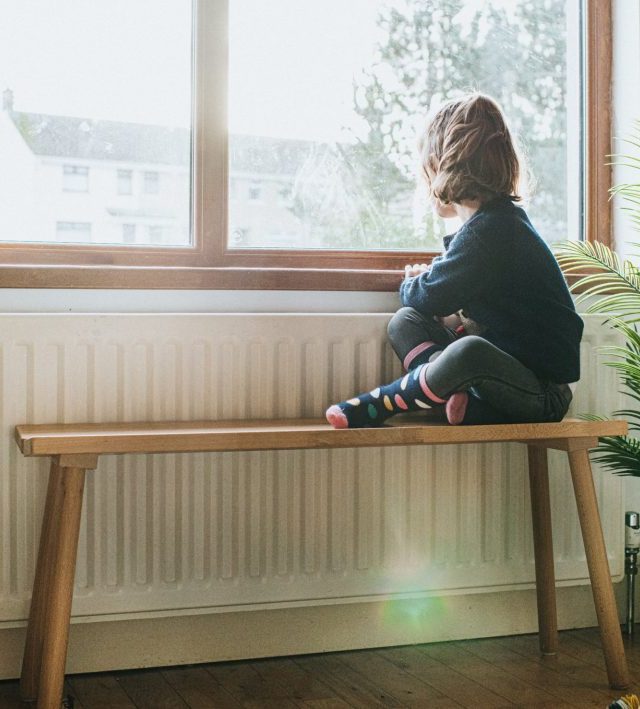 Caption: A young girl plays sits on a wooden bench beside a long radiator and a sunny window. She gazes out through the glass. The room is homely and comfortable. Conceptual with space for copy.
Photographer: Catherine Falls Commercial
Provider: Getty Images
Source: Moment RF
Have an enjoyment allowance
A pot of money for guilt-free spending is a good idea. If you start young enough, spending on your lifestyle and saving for your future don’t have to be mutually exclusive.
Use credit wisely
I want to teach her how easy
credit makes it easy to hide your own spending from yourself.
I hope she understands that there
is always a price to pay.
I don’t want her to be scared of credit though because that’s a recipe for misuse and shame.
I want her to know how to use it well and what the red flags are.

LIFESTYLE
4 min read
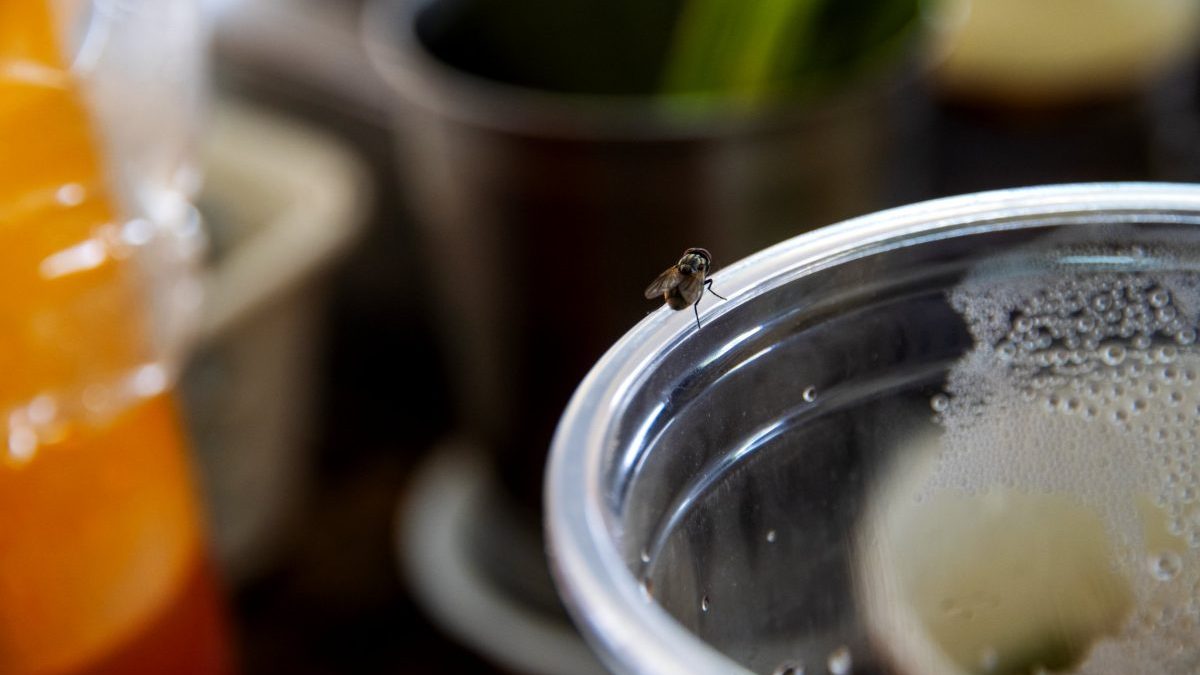
Summer is approaching, and so are the insects

Are we getting more flies in the UK?
With warmer, wetter winters and longer summers, flies are likely to breed quicker and survive for longer. We’re likely to see more in the future.
James Logan, professor of medical entomology at the London School of Hygiene and Tropical Medicine, says we could see more bugs as warmer temperatures create an ideal environment for breeding.
How to deter flies
Clear out leftovers
Flies love leftover food, especially if it’s sugary or decaying. Food should be covered or in airtight containers, and leftovers cleared away immediately after eating.

 A man pours a glass of water from a chrome tap at a kitchen sink – stock photo. (Photo: Getty)
Clean your sink
Particles of food found in the sink or drains after washing up will attract flies so keep them clean and clear. Keeping windows closed will also help.
At-home remedies to try

Try vinegar
Mixing apple cider vinegar with a spoonful of sugar and washing up liquid attracts flies – they then drown in the liquid.
Lemon with cloves
Cut a lemon in half and stick in some cloves. It’ll create a strong combination of smells that repel flies.

 If you’re looking for a way to boost your health and wellbeing, you likely already have a goldmine in your store cupboard (Photo: Yulia-Images/Getty)
Herbs
Placing mint, rosemary and basil around windows and kitchens can keep flies at bay.
Techniques to use
Keep windows closed
Have windows ajar not wide open and use fans as the airflow makes it hard for flies to land.
 Take time to rest (Photo: Counter/Getty/Digital Vision/Nicolas Hudak)
 One example of this is the Intelligent Street Lighting project being trialled by Glasgow City Council. It uses an algorithm to process real time sensor data on noise, air pollution and footfall around the city and control street lighting in reaction to people’s use of cycle paths and open spaces.
(Richard Baker via Getty Images)
Use warm lights, if any
While flies are attracted to blue light, they are repelled by warm tones so try to get yellow or orange-toned lights.
Check your drains
Remove any organic matter that could be a food source, and clean them using boiling
water and vinegar.
 Water companies are allowed to spill sewage so long as their plants are overwhelmed (Photo: Finnbarr Webster/Getty)
Look at your bins
Leftover and decaying food is a playground for flies
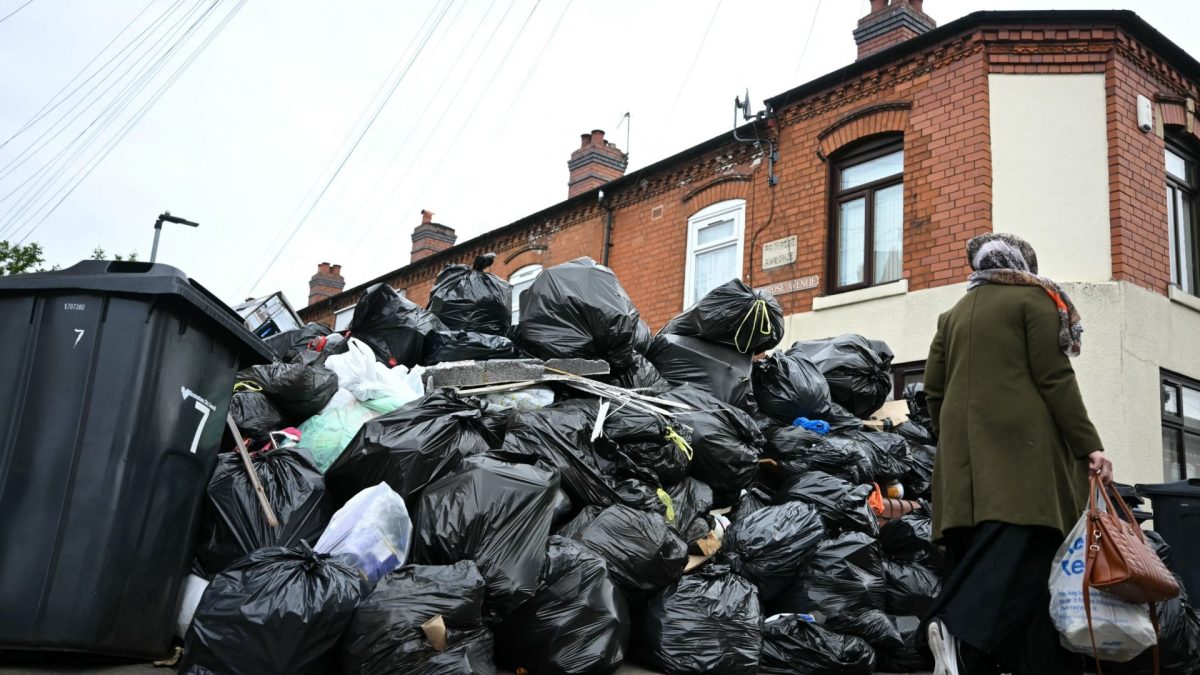 Caption: A resident walks past uncollected bin bags piled up on Poplar Road in Birmingham, central England, on April 15, 2025. Residents are desperately trying to get rid of an estimated 17,000 tonnes of trash that has piled up since refuse workers ramped up a strike last month. Four weeks in, the city council has declared a “major incident,” the prime minister has had to defend the government’s response in parliament, and residents say their problems are worsening by the day. (Photo by Paul ELLIS / AFP) (Photo by PAUL ELLIS/AFP via Getty Images)
Photographer: PAUL ELLIS
Provider: AFP via Getty Images
Source: AFP
Copyright: AFP or licensors
Keep your compost bin as far from the
house as possible, use a wheelie bin liner and keep the lids sealed, says pest control expert Jonathon Nicholls.

LIFESTYLE
2 min read
Menopause causes Alzheimer’s-like changes to the brain
Some symptoms overlap
between the perimenopause
and dementia which can be worrying for women but
experts say lifestyle changes can help.

The new research
Could this explain why
more women develop dementia than men?
Two thirds
According to the Alzheimer’s Society, women account for around two thirds of people living with Alzheimer’s disease (the most common form of dementia) in the UK.
Menopause
Some of the symptoms of menopause which are similar to dementia include memory issues, trouble with word retrieval, irritability, anxiety and frustration.
The differences
Someone with menopause brain fog may have difficulties with memory or clear thinking, but in dementia, these issues increase over time.
The person’s abilities will decline progressively and they will need more support with everyday tasks.
Memory problems with
menopause, however, can
improve with treatment, lifestyle changes or time.

Life lessons
5 min read

What to do if you have menopause-related brain fog
Managing menopause is a bit like putting together pieces of a jigsaw.
British Menopause Society (BMS) trustee Dr Paula Briggs says HRT can help but it’s not the only solution.
“It’s important to ensure that you’re eating well and exercising regularly throughout menopause, when your body is under some strain due to fluctuations in hormones”.
The lifestyle changes to make
 Caption: Healthy senior woman doing swim noodle exercises in aerobics pool class. Active senior people doing workout in swimming pool holding swim noodles.
Photographer: Luis Alvarez
Provider: Getty Images
Source: Digital Vision
Exercising
This supports mental health and sleep but it can be as simple as walking for 30 minutes.
Learn new things
Keeping your brain active can improve your brain health, cognition, well-being and mental health.
 Caption: Portrait of elderly woman solving sudoku puzzles at home, sitting in living room. Sudoku as popular game for aging people, logical thinking, problem solving.
Photographer: Halfpoint Images
Provider: Getty Images
Source: Moment RF
 Caption: File photo dated 26/11/14 of a pint of beer and a set of car keys on a bar in a pub in central London. More than a fifth (21%) of motorists have drunk alcohol after 10pm when needing to drive before 9am the following morning, a new survey suggests. Road safety charity IAM RoadSmart, which commissioned the poll, warned that drinking alcohol the night before getting behind the wheel can pose a “serious threat” because a “groggy head” means slower reaction times. Issue date: Friday July 18, 2025. PA Photo. Photo credit should read: Philip Toscano/PA Wire
Photographer: Philip Toscano
Provider: Philip Toscano/PA Wire
Source: PA
Reduce unhealthy habits
Reducing alcohol intake and quitting smoking are also worthwhile, says neuroscientist Professor Barbara Sahakian.
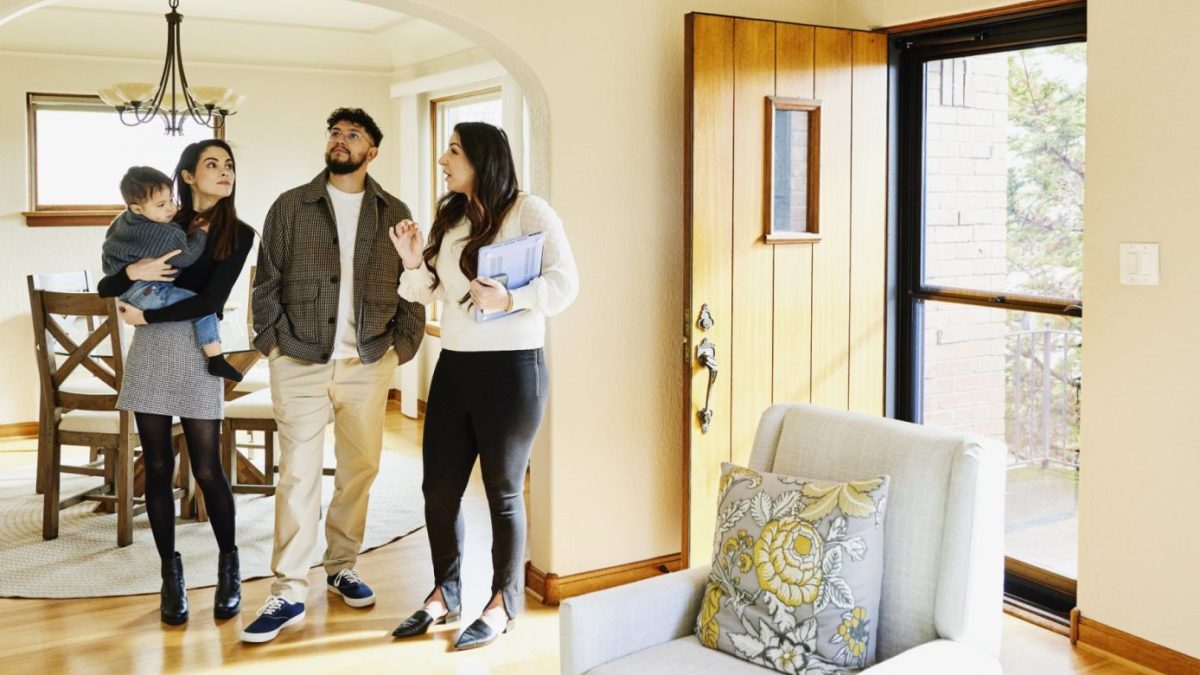
Selling a house can be a minefield
The market is stagnant, first-time buyers are struggling to save enough for deposits and sales are falling through.
To help, we asked experts for their tips on completing a sale. From what to do with decor and lighting to marketing it correctly.
These are the most common mistakes they see.
 (Photo: Anastasiia Krivenok/Getty).
LOREM IPSUM
Paint problems
If you give people the choice of a renovation project or something that’s finished, they’ll go for the latter.
Arsh Ellahi, who has over 20 years of experience in the property industry, says buyers want houses that are done.
Warmer tones like stone and neutrals can also help a sale.
The mistakes to avoid
Leaving out clutter
If all someone can see is clutter, they’re more likely to think the house is too small. Space is value.
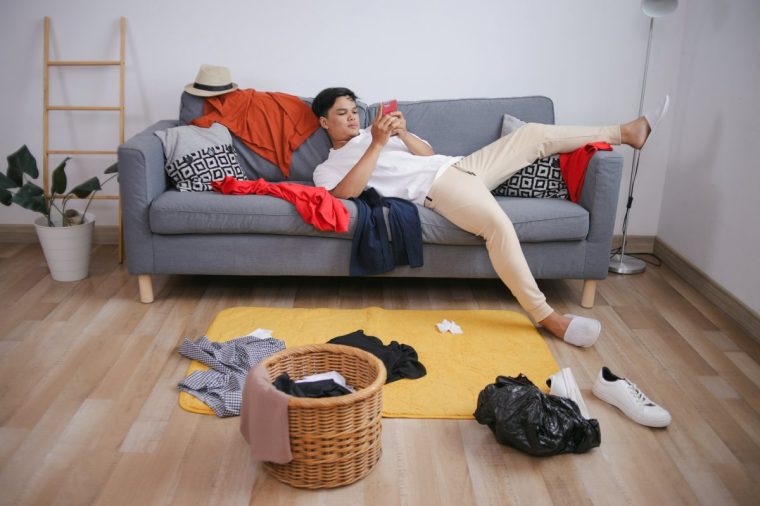 ‘I do his laundry. I’ve learned to check the pockets. I regularly pull out enough snack wrappers to fill a small bag’, says Allana (Photo: Rani Nurlaela Desandi/Getty)
 (Photo: Nuthawut Somsuk/Getty).
Over-decorating
Show homes come without the personal element and are usually plain but modern. This draws people in.
Overpricing
When the price is set too high, it’s more likely to stay on the market. Your home has to look like good value for money.
 For the vast majority of people selling the home they live in the process is straightforward and tax-free (Photo: Karl Hendon/Getty)
The mistakes to avoid
Declining offers
Ellahi says the best offers tend to come within the first four weeks of marketing.
 Mortgage rates have been rising for days (Andrew Matthews/PA Wire)
 A reader is currently viewing properties (10’000 Hours/Getty Images/Digital Vision)
Being present for viewings
If the owners are there, buyers can feel uncomfortable walking around and getting a sense of the place.
The wrong photos
Photos are the first thing a potential buyer sees, and poor-quality images will stop stage two – the inquiry and viewing.

What to do
 Light a candle for atmosphere (Photo: VeranikaSmirnaya/Getty/iStockphoto)
Prepare your home
Windows should be opened to allow fresh air in, and, if it’s cold, the heating should be turned on to make the house feel inviting and homely.
Be flexible
It’s really important to accommodate viewings on weekends or evenings when they’re most popular.
 Black alarm clock and bed – stock photo. (Photo: Getty)
 You do not need to have it all figured out but you do need to start (Photo: Olha Danylenko/ Getty)
Financially prepare
Solicitors’ fees, agent fees, and capital gains tax are all big things to consider when it comes to finances and being ready to sell.
Navigating hot and sticky weather is often a sensory and social nightmare
With summer approaching,
Dr Adil Sheraz of the British Association of Dermatologists, explains why we sweat and
what we can do about it.

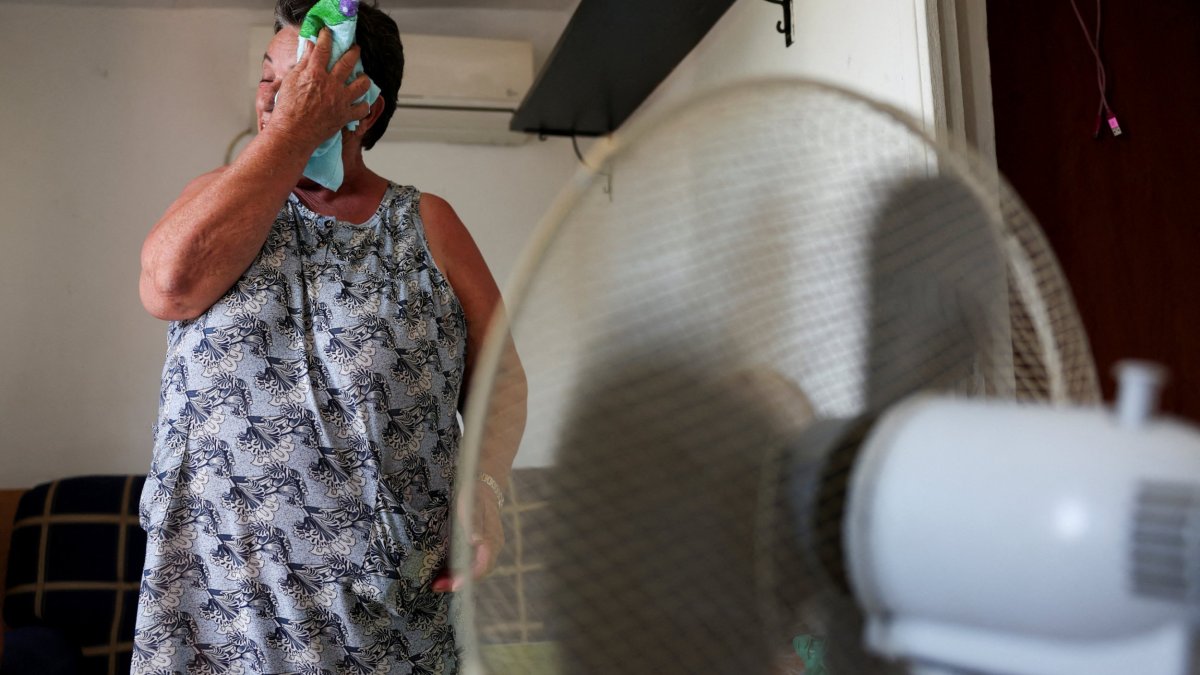 Monica Garcia, 65, swelters in Madrid’s first heatwave of the summer (Photo: Isabel Infantes/ Reuters)
Why do we sweat?
Sweating is an important part of thermoregulation. When you sweat and it evaporates off the skin, it will take the latent heat with it.
We’re covered in three to four million sweat glands and the majority produce a sweat made up of just electrolytes and water. In other words, completely odourless.
These eccrine glands function from birth
to keep us cool.
When does sweat smell?
 Oil in our sweat can suck in microplastics posing a health risk (Photo: Tom Williams/Getty)
Glands in the armpit, groin and scalp operate differently.
They’re under the control of hormones and the glands contain lipids and potentially fatty esters.
The bacteria on our skin will
feed off these fatty acids and
lipids and cause the odour.

LIFESTYLE
6 min read
Are we sweating more now?
It is not just the weather impacts how we sweat…
The bigger you are (in height, weight or muscle mass), the more surface area you will need to sweat on in order to cool down.
This is why men tend to sweat more than women and why you sweat
more when you gain weight.
Medical conditions like diabetes
and thyroid problems will also
cause increased sweating.
Certain dietary items, including caffeine, processed foods and spicy foods can also trigger the chemicals in our body which cause us to sweat more.
When does it matter?
If it’s impacting your daily life, you will likely have some form of hyperhidrosis and need
to speak to a doctor to determine further.
Primary hyperhidrosis is excessive sweating with no underlying cause.
Secondary hyperhidrosis means there’s a condition or illness causing the sweating.
There are two main ways to tell the difference.
Sweating with secondary causes tends to happen all over the body rather than just localised to your palms or armpits.
Primary hyperhidrosis tends to switch off when you’re sleeping as the neurons stop firing. This doesn’t happen with secondary hyperhidrosis.
How to manage sweat
 Caption: Relaxed young woman in bright summer clothes is sitting on a bench on a city street with her eyes closed enjoying music through headphones from a smartphone.
Photographer: Tanja Ivanova
Provider: Getty Images
Source: Moment RF
Clothing
Wear natural or wicking fabrics that prevent sweat patches, or clothes that are cooling for the skin.
Antiperspirant
One that contains aliminimium is advised as it’s well known for blocking and plugging our sweat ducts.
 Caption: Woman applying deodorant roll on under armpit
Photographer: wing-wing
Provider: Getty Images
Source: iStockphoto
 Britain’s best coffee shops have been revealed – spanning from the tip of Scotland to the bottom of England. (Photo: William Lailey / SWNS)
Dietary changes
Where possible
reduce dietary causes like caffeine and
spicy foods.
Can I save money without giving up fun?


When it comes to financial planning, I’ve always lived month to month, but recently I’ve wanted to be slightly more serious.
So I spoke to a range of financial experts for the easiest, idiot-proof ways to be savvier with money – without just hibernating.
The expert tips
Print out your bank statements
“This is the hardest step but you’ve got to know what’s coming in and out, down to the pound,” says financial coach Ian Dempsey. You’re more likely to remember what’s on there, and pay attention to it on paper.
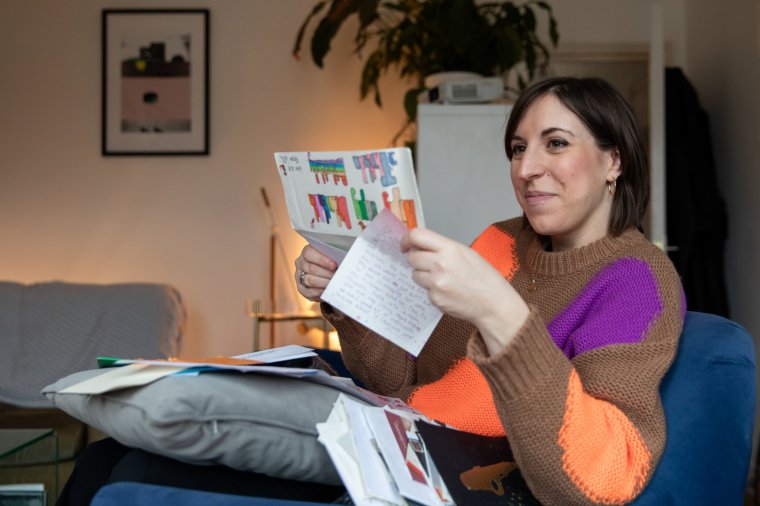 Caption: Kasia Delgado reads old letters from her childhood.
A professor of happiness at Bristol University taught Kasia how adults can train themselves to be happier and find more joy, like when they were unencumbered children.
Photographer: mail@teripengilley.com
Provider: Teri Pengilley / i News
Source: Teri Pengilley
 Caption: Kasia Delgado, Chief Features Writer, i News.
Photographer: Teri Pengilley
Provider: Teri Pengilley / i News
Source: Teri Pengilley
Draw an image of what you’re saving for
“Anything that requires discipline is much easier to achieve when you [can picture] the end goal,” says Ruth Power, from the Financial Management Bureau.
The expert tips
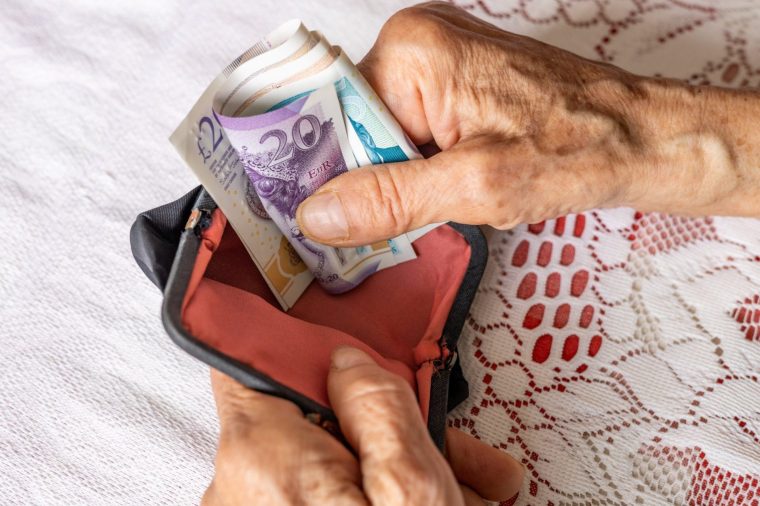 Experts are arguing that the UK should make greater use of existing government data
Photographer: Andrzej Rostek
Provider: Getty Images
Source: iStockphoto
Copyright: andrzejrostek@gmail.com
Go on a money date
If you’re in a relationship, for 30 minutes once a month, take a notebook to the pub/cafe and talk about money with your partner.
Delete shopping apps…
They are designed to be compulsive. Removing them gives you an extra layer of resistance.
 Close up of an unrecognizable woman shopping online with credit card via mobile phone – stock photo. (Photo: Getty)
 An image of a hand that quickly sends an email – stock photo. (Photo: Getty)
…and unsubscribe
Marketing emails are designed to reach you when you’re likely to spend money.
How it went when Kasia followed the expert advice
I delete Vinted and only re-download it when I actively want to replace something for my son that he’s grown out of.
I’m no longer buring my head in the sand. Sections of my bank statement flash into my mind when I go to use the Uber app.
Money dates have been uncomfortable. We did have a small argument about buying own-brand beans versus Heinz for example, but scribbling down numbers we want to save has also been exciting.
I have found it easier to be mindful about spending and broke some unhelpful habits, like associating walks with always getting a coffee.
How the UK currently saves
The average person in the UK has £16,067 in savings in 2025.
39%
However, 2 in 5 Britons have £1,000 or less in savings. A quarter have £200 or less.
1 in 6 UK adults (16 per cent) have no savings at all, equating to around 8.4 million people.
82%
Men are estimated to have 82 per cent more in savings than women.
Almost three in 10 (28 per cent) of adults state saving money is a habit.
The final verdict
The truth is, I’m never going to be someone with five side hustles and the financial savvy to become a bitcoin billionaire. But I’m no longer thinking, “where did my salary go?”. The small changes have, over time, made a difference to my bank account, but also my mind and self confidence.
KASIA DELGADO
 ‘I’ve found greater joy in spending money in an active, more conscious way – on things that felt worth it such as a massage, a cocktail with a friend, a comedy gig, a tricycle for my son,’ says Delgado (Photo: Teri Pengilley/The i Paper)
Six easy swaps to increase your fibre intake
We asked the experts why it’s so important to include enough fibre in our diets, and how to do it without totally overhauling our diets…
Why fibre is important
Fibre isn’t a fad nutrient. It’s been consistently linked to better health outcomes for decades. Unlike protein, which the majority of people already get enough of, fibre is something most of us (96 per cent) are significantly lacking.
NICHOLA LUDLAM-RAINE, SPECICIALIST REGISTERED DIETITIAN AND AUTHOR

The small diet tweaks to make
Beans, lentils and chickpeas are fibre powerhouses, with around 6-8g per half-tin. If you find beans tricky to digest, start with microdosing them for a week and gradually build it up to half a can at a time.
 Bread is the category of food that is most thrown away, survey finds (d3sign
Provider: Getty Images)
 Caption: Green vegetable salad with chickpea, spinach, cucumber, red onions, and greens on a wooden table. Top view
Photographer: Qwart
Provider: Getty Images/iStockphoto
Source: iStockphoto
One of the simplest changes you can make is to switch to wholegrain versions of everyday carbs. Swapping two slices of white bread for wholemeal adds around 3g of fibre.
How to add fibre to your diet
 When you cook potatoes the right way they go from being a health burden to a health hero (Photo: Getty)
Keep some skin
The skin of some foods can contain up to 50 per cent of the total fibre. Just make sure it’s safe to eat.
Level up the snacks
Berries, raw vegetables with hummus, or a small handful of nuts are all easy fibre wins.
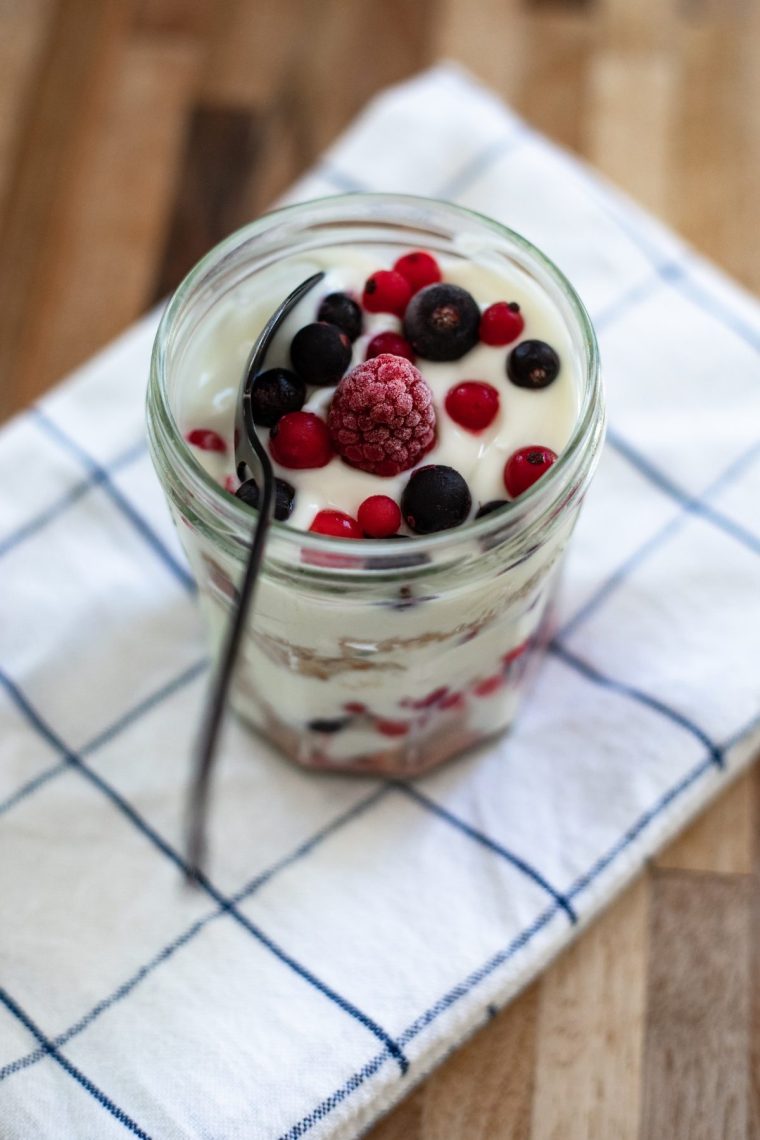 Yoghurt and frozen berry crunch in a glass jar – stock photo. (Photo: Getty)
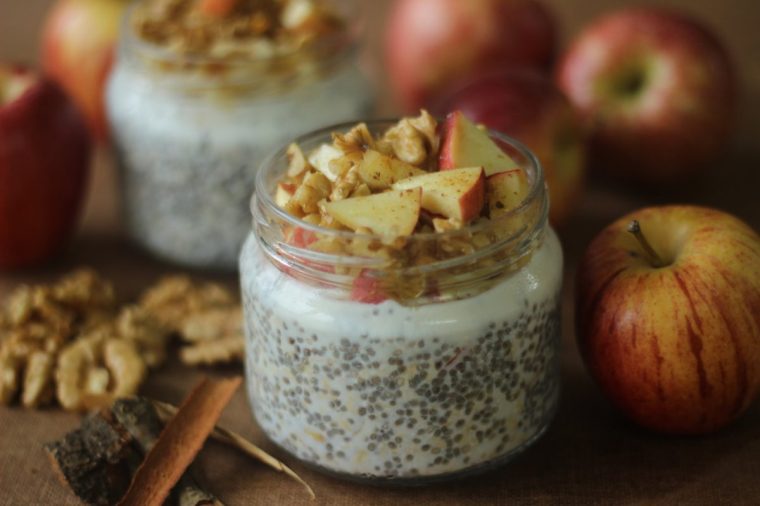 Breakfast cereals can be swapped out for overnight oats (Photo: Jogy Abraham/ Getty Images)
Don’t skip seeds
Ludlam-Raine adds a spoon of mixed seeds to porridge, cereal, yoghurts, soups and salads.
EASY WAYS TO ADD FIBRE TO YOUR DIET
Add in, don’t take away
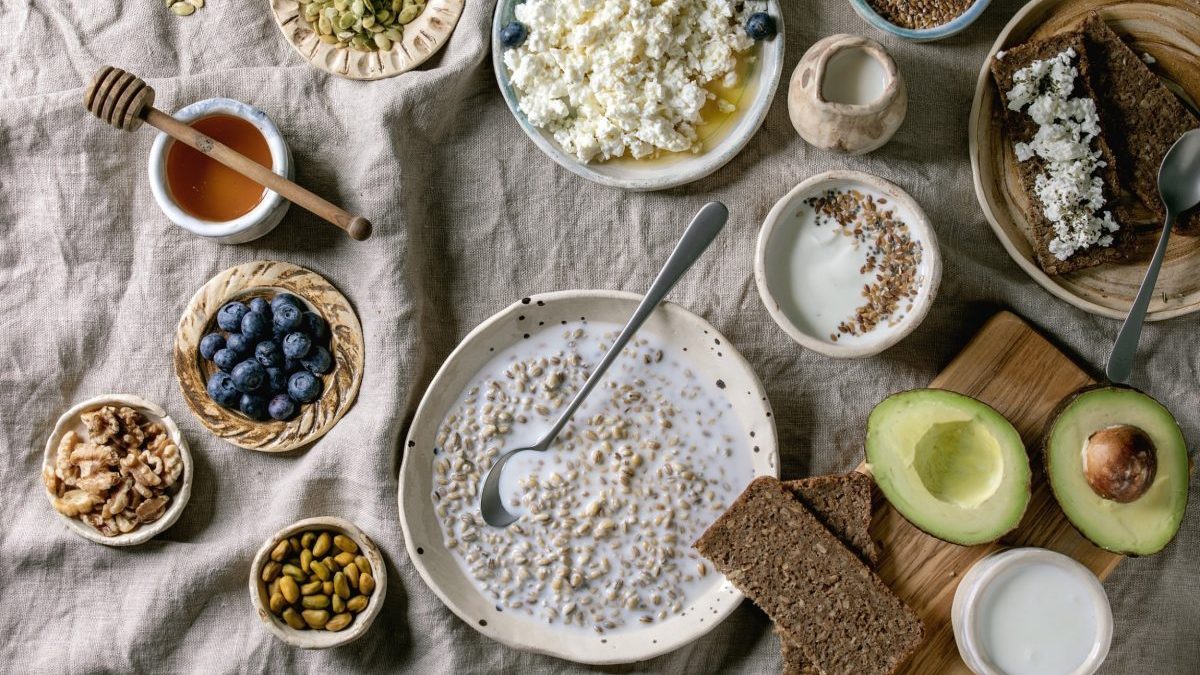
 Plant-Based Anti-Inflammatory Diet Ingredients Flat Lay – stock photo. (Photo: Getty)
A few extra handfuls of fibre-rich ingredients might be all that’s needed to take your meals from average to fibre-full.
Small changes are key because they’re more sustainable and better tolerated by the gut. Increasing fibre too quickly can cause bloating or discomfort.
One in four people in the UK is living with mould and/or damp in their home…
David Prince, a leading damp surveyor who travels across the country treating mould, spends the day with The i Paper writer Eleanor Peake.
 Surveyor David Prince warns people are being overcharged by rogue companies for unnecessary treatment (Photo: Teri Pengilley)
The UK
Britain’s damp problem is one of the worst in Europe.
45%
Private renters are disproportionately affected, with 45 per cent currently battling symptoms of damp.
30%
From 2015 to 2024, British winters were 16 per cent wetter than in previous years.
By 2070, UK winters are projected to be up to 30 per cent wetter.
The house I visited with David Prince – a private rental
Renters are desperate for a resolution to their ongoing damp issue.
David notes that although the bathroom has an extractor fan, the room wasn’t being ventilated efficiently.
The hot air from the bathroom was floating towards the coldest part of the building (the bedroom) and turning into water as it hit the cold bedroom walls.
This was an internal ventilation issue, other houses have an external issue. When the guttering is overgrown the water has to go somewhere else, sometimes seeping back into the brick.
The houses most at risk
Victorian terraces, or those built in the 1910s, are more likely to have rising damp – where the water seeps through the foundation of the house.
 Caption: David Prince, Director of Abbott Property Care Ltd.
For a feature on damp by Eleanor Peake, Senior Features Writer at The i Paper.
Photographer: Teri Pengilley
Provider: Teri Pengilley / The i Paper
Source: Teri Pengilley
 Caption: David Prince, Director of Abbott Property Care Ltd.
For a feature on damp by Eleanor Peake, Senior Features Writer at The i Paper.
Photographer: Teri Pengilley
Provider: Teri Pengilley / The i Paper
Source: Teri Pengilley
Modern houses are often built with concrete ring beams, one of the coldest materials to build with. The damp turns to condensation just by hitting the walls.
Damp specialists
 Caption: Eleanor Peake, Senior Features Writer at The i Paper, meets David Prince, Director of Abbott Property Care Ltd, to examine the issue of damp in rental properties.
Photographer: Teri Pengilley
Provider: Teri Pengilley / The i Paper
Source: Teri Pengilley
Only a small number of damp specialists – around 250 – are registered with the Property Care Association (PCA) in the whole of the UK.
This means that a majority of people in the UK are receiving quotes and recommendations about damp from building surveyors who aren’t qualified to give a diagnosis, says Prince.
The golden rules for managing damp
The most common issues can be solved by simple tweaks.
Start with the outside. When it’s raining, have a walk around your building to see if the gutters are pouring water down the wall, or water is being trapped in some way.
Make sure you have good ventilation in key wet rooms: kitchen, bathroom, utility, and toilets.
Open all your windows every day for a short period of time to force natural ventilation – even on cold days.
Never place furniture, or even pictures, on an external wall if it suffers from mould. It helps retain moisture.
Donna is a maternity healthcare worker and has had to cut back shifts at work to be able to help care for her daughter’s sons, who are autistic.
She said: “These little boys need a lot of care, so I have done a flexible working plan around my daughter’s working hours and on the days when I am not working, I look after the children.
She says this usually ends up taking around 30 hours a week, and adds: “It is tough at the moment, and things are quite difficult financially.”
Donna took a £10,000 pension tax-free lump sum when she was 55 to be able to help financially support her children, as well as buy herself a campervan which she hasn’t been able to use.
Most people can access their private pension savings from the age of 55 and do not have to retire. Donna took advantage of this, returning back to work straight away part-time, as quitting work entirely would not have been financially possible for her.
“I knew that I was still physically fit enough to go back to work and in the NHS you can also pick up extra shifts which would earn me a little extra,” she explains.
But she says as she has done more childcare, she has cut down on work, which has left her in a “financial strife”.
Donna earns about £1,600 a month, but her rent is £950, leaving her with only £650 afterwards.
She said: “I absolutely love looking after my grandchildren, they are the centre of my world, but I have four other grandchildren and my time with them is limited because I am just tired all of the time.
“I have two really dodgy shoulders that have got to be replaced but I am putting it off because if I have them done, I won’t be able to look after my grandchildren.”
Two-fifths of the country’s grandparents over the age of 50 have provided regular childcare for their grandchildren, according to previous YouGov polling for leading older people’s charity, Age UK.
One in 10 (12 per cent) said they looked after their grandchildren at least once a day and fifth (18 per cent) look after them four to six times a week.
For Donna, this is having financial implications and she regrets not being able to save more into her pension, which would mean she could afford to work less now.
But she said: “I have no savings whatsoever, I have never been able to save. I am just aiming for my state pension pot. I haven’t got massive workplace pension pots. Young people need to pay into a private pension. My parents told me this when I was a kid and I didn’t listen to them.”
Donna isn’t entirely sure how much she has in her pensions as she has small amounts in various different schemes and pots.
She does have some money in her NHS pension, which is more generous than a lot of private schemes as it provides guaranteed income for life in retirement, but Donna doesn’t know exactly how much is in there.
She has some credit card debt that she is paying off monthly and also has a small loan from subscription-based loan service Creditspring. This is worth £300, which she pays £50 towards each month.
Donna warned for people to “not be like her” and to put any extra money straight into a pension during their working lives.