
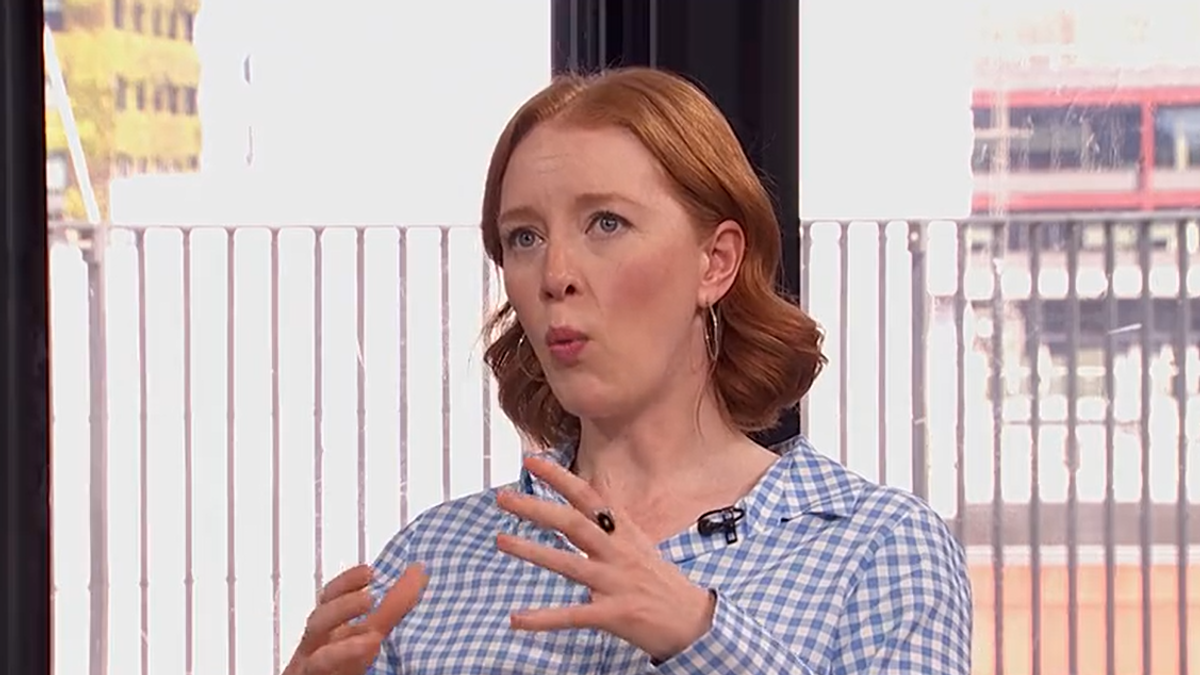
The BBC expert warned people not to discount their burden just because they’ve become ‘used to it’
Samantha Leathers Senior Money & Lifestyle writer
03:51, 28 May 2026
Benefit and state pension increases confirmed
Millions of people beyond state pension age could qualify for a Department for Work and Pensions (DWP) benefit worth up to £114.60 a week. Yet one expert has voiced concerns that people downplaying their own struggles may be stopping them from making successful claims.
Attendance Allowance is intended for pensioners living with a long-term disability or health condition, helping to meet the extra costs of aids, assistance or other support they might require in everyday life. BBC’s Iona Bain disclosed she’d encountered the benefit first-hand and encouraged others to look into their eligibility.
She shared on Morning Live: “A couple of years ago, my mum was diagnosed with age-related macular degeneration and it led to deterioration of her eyesight, particularly in one eye and it definitely had an impact on her life.
“It definitely meant that she needed more support. So, I looked into a particular benefit called Attendance Allowance to see whether she would be eligible and a few things really jumped out at me.”
Iona found that having an official diagnosis of a specific condition doesn’t automatically affect whether you’re eligible for Attendance Allowance. She continued: “That’s not really how it works. It’s more about being able to show what the impact of that is on your day-to-day life and the fact that you now need support as a result of that condition or disability.”
This pension-age benefit is also not means-tested, meaning those already receiving pension payments or with savings set aside could still qualify. It is paid at two separate rates, determined by the level of care your condition requires.
The lower rate, for those needing care during either the day or night only, stands at £76.70 per week, rising to £114.60 per week for those requiring support both day and night. You don’t need existing care arrangements to make a claim, and the money doesn’t have to be spent on a carer or attendant — it can go towards maintaining your independence.
Iona highlighted one key reason she believes some eligible people are holding back from applying: “They might be quite stoic about that they want to just get on with things. They feel that they’ve been coping just fine so they don’t really need that extra support.
“But actually, sometimes you just get used to living a certain way and you don’t realise that you’ve been paying for things in your life as a result of your condition and that is actually a pressure and a burden there.”
She was keen to stress there is no “shame” or “stigma” attached to getting help: “The first part of this whole process is describing how your disability or condition is affecting your day-to-day life and the struggles that you’re having as a result. Some people might find that quite draining and difficult so it’s good to just have some moral support there apart from anything.
“In our case, my dad was able to help mum and me put together this application because he was able to give a lot of that information, and build a picture of how this condition was affecting my mum’s life, but there are people who might feel reluctant or embarrassed at that help, and that’s really understandable, but I would say it’s absolutely fine to do.
“If you would prefer to do this on your own, or you have to do this on your own, my advice would be keep a diary for a couple of weeks of what you’re living with.”
More information and applications for Attendance Allowance can be found on the Gov.uk website.