
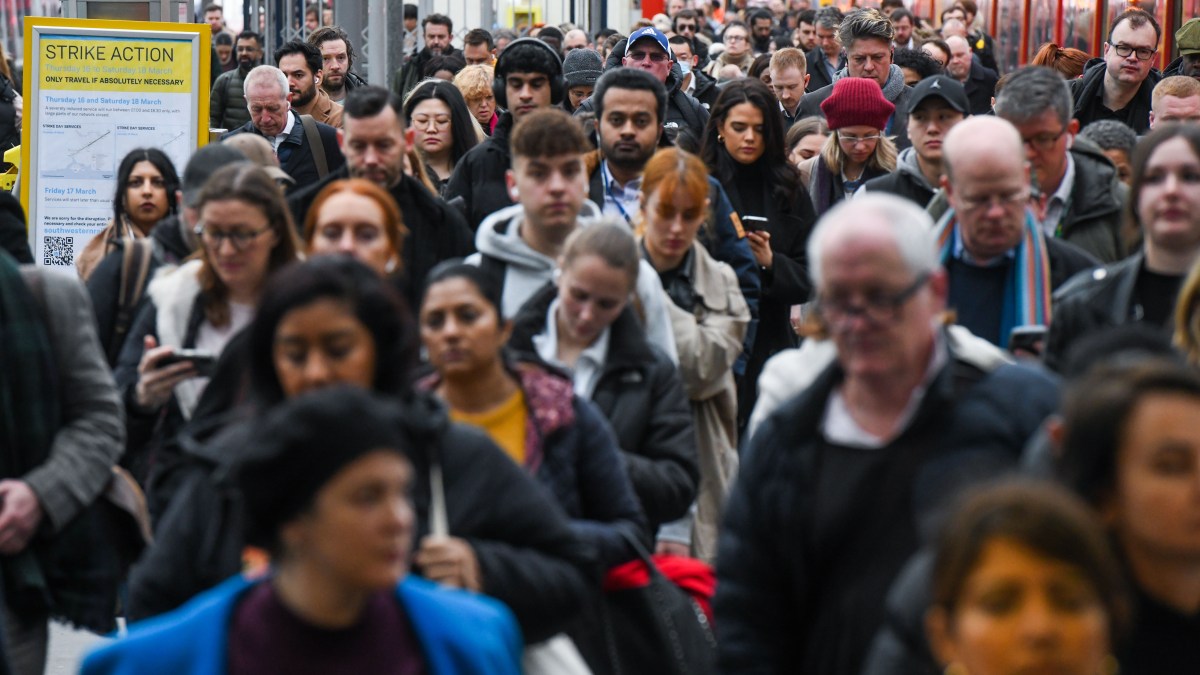
Wage growth and employment slowed in the three months to June, according to official data, providing further evidence of a cooling UK jobs market under pressure from higher payroll taxes.
Official figures showed average weekly earnings, including bonuses, rose by 4.6 per cent in the second quarter of the year, less than the 5 per cent recorded in the previous rolling three-month period. Economists had expected earnings to expand by 4.7 per cent.
Private sector earnings rose by 4.8 per cent, below the 5.2 per cent forecast by the Bank of England and the weakest reading since January 2022.
Rachel Reeves is facing a cooling UK jobs market
RICHARD POHLE/THE TIMES
The Bank has said pay growth, which is an important indicator of current and future inflationary pressures, is falling slightly faster than forecast this year, but policymakers are prioritising managing inflation from sources such as food and energy prices. Earnings, when bonuses were excluded, rose at an unchanged rate of 5 per cent in the second quarter.
• Business live: follow the latest news on companies, markets and economics
The Monetary Policy Committee voted to cut interest rates to 4 per cent by a narrow majority last week and warned that consumer prices would hit 4 per cent later this year. The Bank’s target is annual inflation of 2 per cent.
There were further signs of a slowdown in the jobs market in July, with falling employment figures and vacancies dealing another blow to Rachel Reeves. The Office for National Statistics said an early estimate of payrolls growth in July showed a contraction of 8,000 — better than the 18,000 decline forecast by economists. Payroll figures for June were revised up from an initial estimate of a 41,000 fall to a drop of 26,000.
The unemployment rate was unchanged at a four-year high of 4.7 per cent. The Bank estimated that the jobless rate would peak at 4.9 per cent in the coming 12 months.
The number of vacancies across the economy fell by 44,000, the 37th month of consecutive declines, to 718,000. The ONS survey said: “Some firms may not be recruiting new workers or replacing workers who have left”.
• Rates cuts aren’t yet boosting growth — so what will?
Separate labour market sector surveys for July have pointed to another month of slowing wages, falling vacancies and a cutback in hiring. Businesses in retail, leisure and hospitality have said they are facing rising bills after the chancellor’s increases in the National Living Wage and employer national insurance contributions, which came into force in April.
Liz McKeown, director of economic statistics at the ONS, said: “Taken together, these latest figures point to a continued cooling of the labour market. The number of employees on payroll has now fallen in ten of the last 12 months, with these falls concentrated in hospitality and retail. Job vacancies, likewise, have continued to fall, also driven by fewer opportunities in these industries.”