
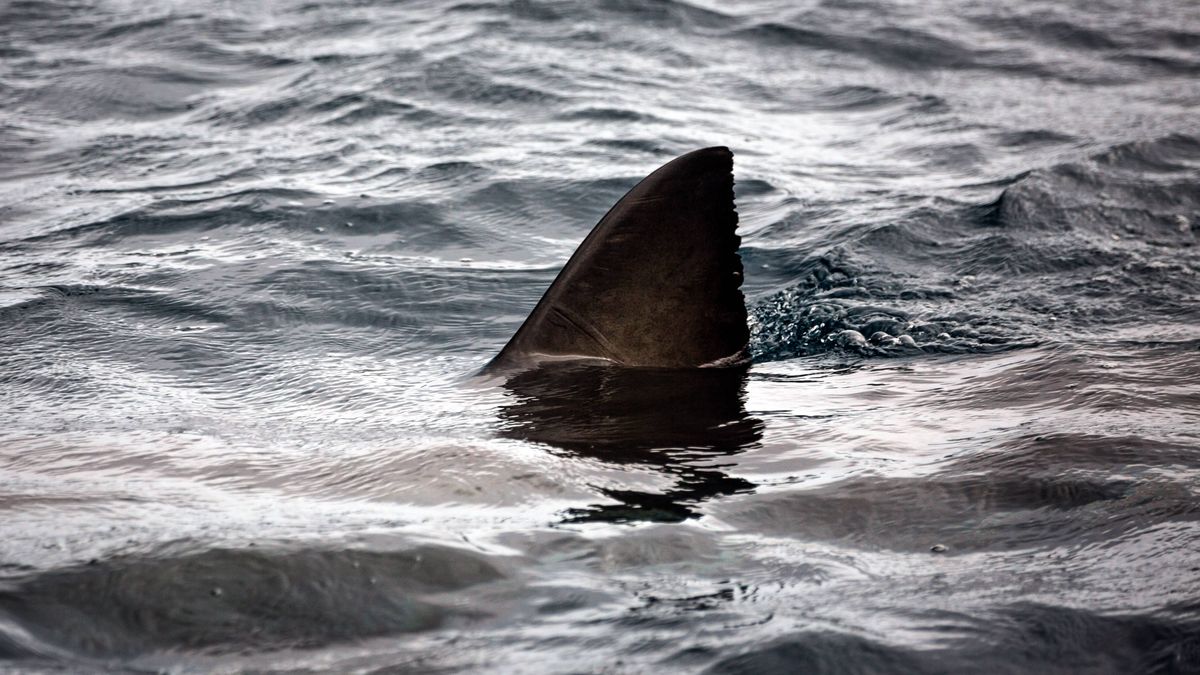
Plymouth Marine Safari crew spotted a large fin in the water, which turned out to be a creature you don’t typically see in Devon waters. They were incredibly lucky
Sophie Roberts Head of Social Newsdesk
09:26, 01 Jun 2026
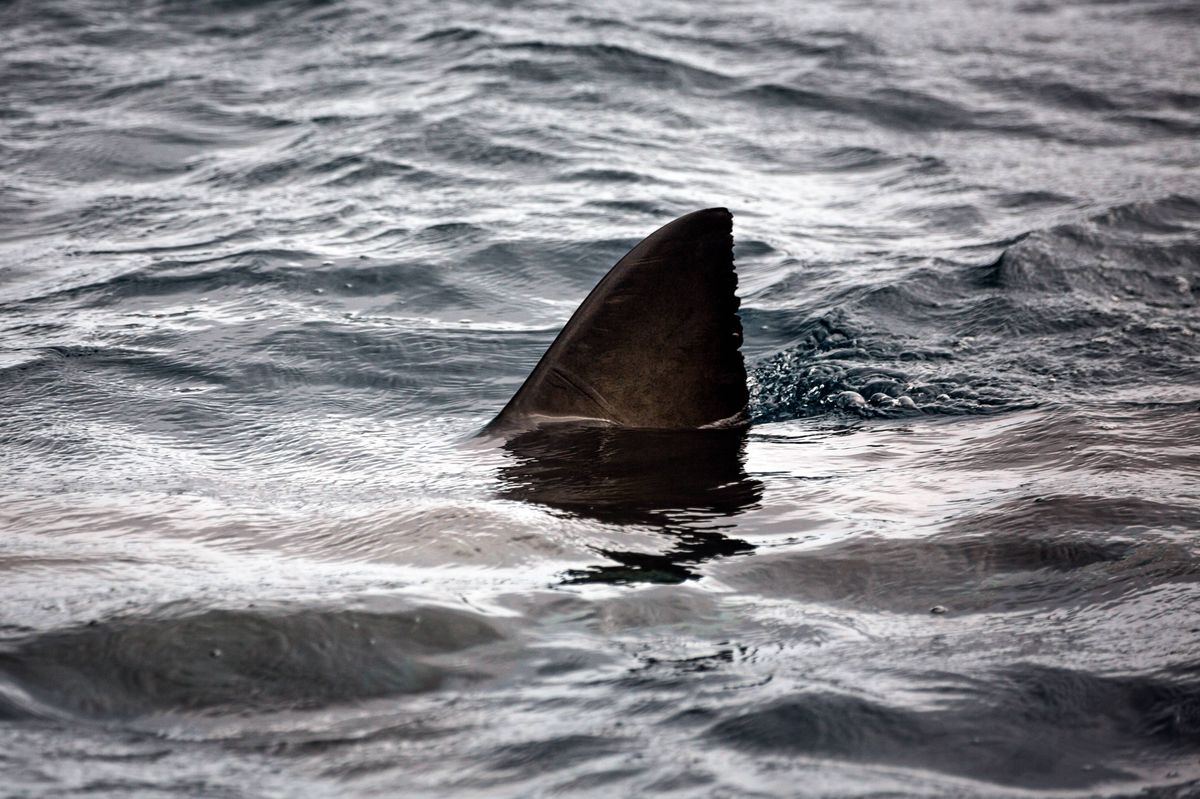
It is possible to spot numerous shark species in the UK (stock image)(Image: Nautilus Creative via Getty Images)
Devon’s coastline isn’t just beautiful to look at – it’s also a diverse ecosystem. From the protected estuaries and salt marshes to rocky coastlines, seagrass meadows, reefs and shipwrecks, there are plenty of places for marine creatures to call home.
It’s common to see grey seals basking on tidal rocks, dolphins cutting through the Sound’s waters and seabirds plunging after shoaling fish. Meanwhile, rockpools are tiny habitats brimming with anemones, crabs and darting small fish.
Yet occasionally, nature delivers something altogether more spectacular. An excursion carried out by Plymouth Marine Safari proved that when the crew headed out last Friday.
When the skipper saw a distinctive fin breaking the surface, they soon realised it wasn’t a dolphin or a basking shark. On Instagram, they recalled: “Well…. On Friday, something out of the ordinary happened on one of our 4-hour sunset safaris here in Plymouth.
“After not being able to find any fins for over half of the trip, we were desperately trying to find some marine life for our guests.”
Content cannot be displayed without consent
The post went on: “Skipper Danny suddenly spotted a splash or two… but no dolphins to be seen. We headed over regardless and all of a sudden we saw a fin come up in the distance that looked to be just cruising along the surface and making its way towards us.
“What did we have? As confirmed by skipper Kev – A PORBEAGLE shark!!!!!!”
Porbeagle sharks are substantial, robust mackerel sharks inhabiting the cold-to-temperate waters across the North Atlantic and certain regions of the Southern Hemisphere.
Porbeagle sharks are uncommon and locally “rarely encountered”. Historical overfishing has heavily depleted populations, so spotting one is incredibly lucky.
Even if porbeagles occur off the South West approaches/Celtic Sea, they tend to be offshore and fast-moving, so most people won’t spot them.
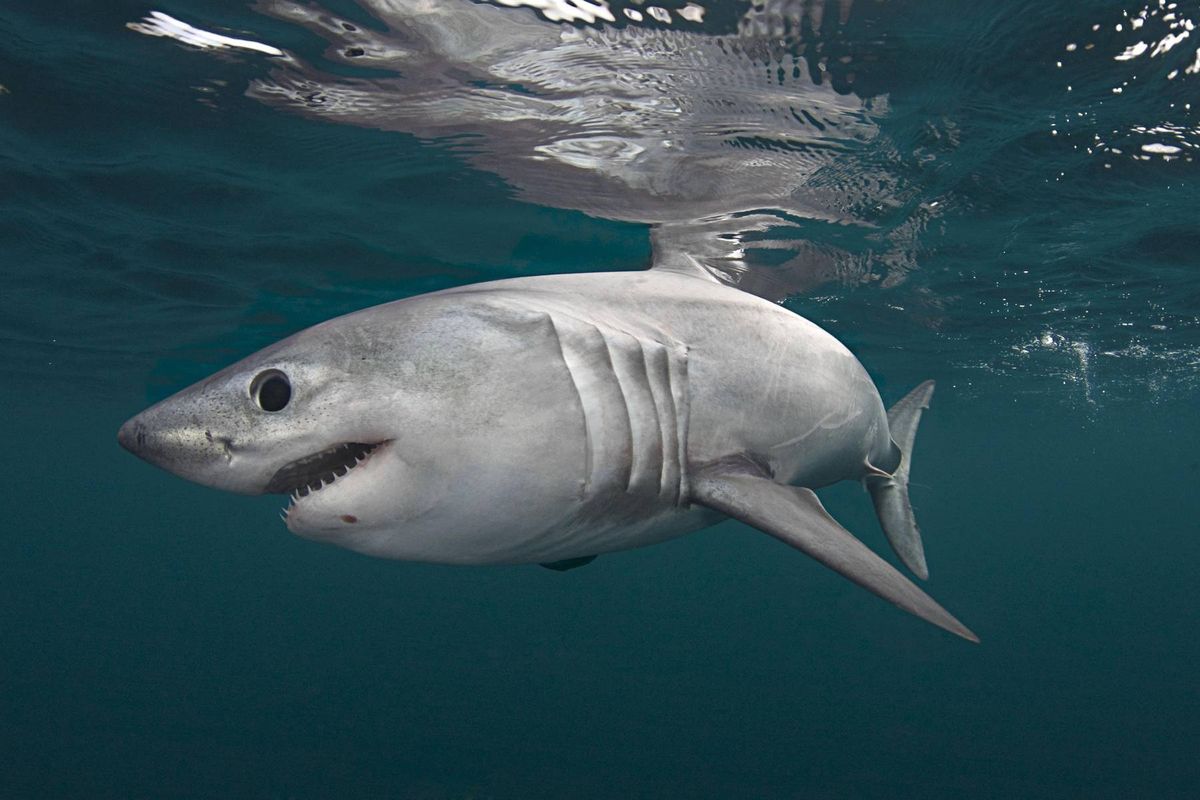
Porbeagle sharks are related to great whites, but are smaller(Image: Getty Images)
These sharks share a close kinship with great white sharks, displaying similar streamlined bodies, pointed snouts and distinctive crescent-shaped tails. That said, porbeagles reach a maximum length of roughly 12 feet, while great whites can grow to 19 feet and tip the scales at several thousand pounds.
Sharks may look scary, but they’re often not a reason for panic. While caution is sensible around large predatory sharks such as porbeagles, swimmer encounters remain exceptionally rare in British waters.
Plus, verified attacks on humans are extremely uncommon. It’s also worth noting that porbeagles play a vital role in maintaining balance in marine ecosystems by regulating prey populations and promoting biodiversity.
The Plymouth Marine Safari’s social media update garnered 2,500 likes, with wildlife enthusiasts thrilled to witness a shark in British waters.
One person enthused: “Eeek, so so cool. I would have fainted.” Another said: “What an insane start to the UK wildlife season.”
A third wrote: “What a privilege, amazing.” Meanwhile, others branded the experience “epic”, “incredible” and “so awesome”. We have to agree with them!