
One patient, Simon Wainwright, has spoken out after a damning NHS review into former consultant John Bradley Williamson
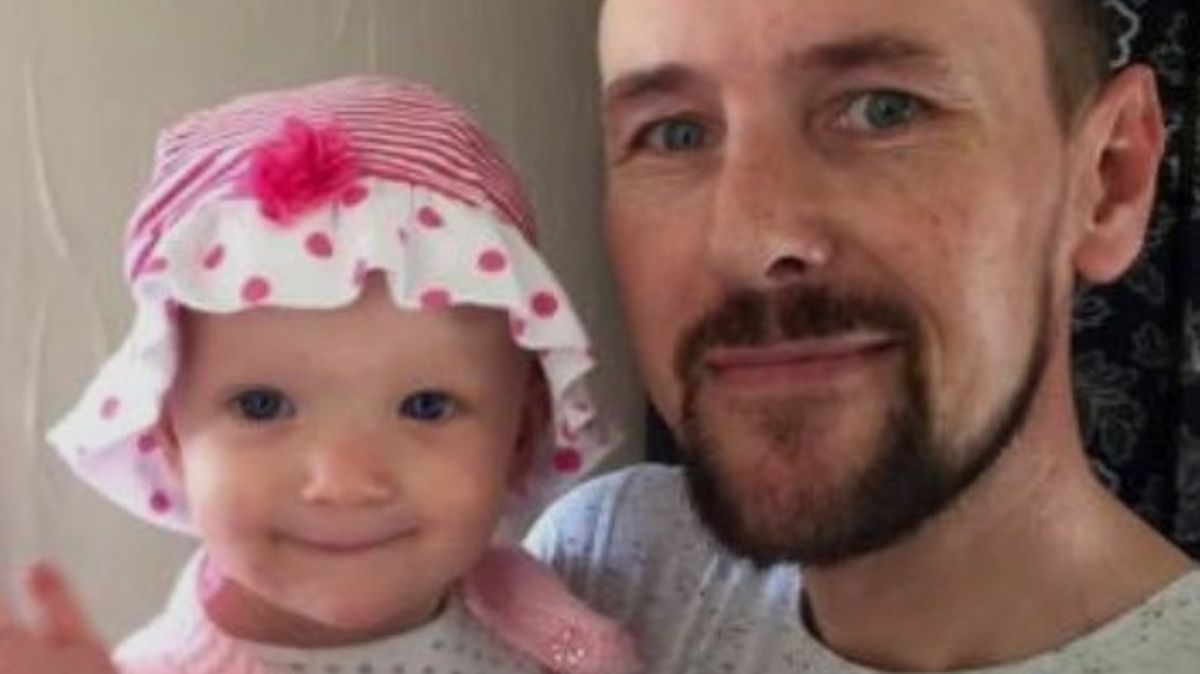
Simon Wainwright with his daughter(Image: Handout)
A former patient of rogue surgeon John Bradley Williamson has demanded ‘real accountability’ following the publication of a damning NHS review.
Simon Wainwright, one of the former patients consulted as part of the NHS England review, says he continues to live with the long-term physical and emotional consequences of surgery carried out by the former consultant.
Mr Williamson worked at Salford Royal Hospital, the Royal Manchester Children’s Hospital and Spire Manchester Hospital in a decades-long career. But separate reviews into his work have found that he had caused ‘severe harm’ to patients across the region, including a 17-year-old who died. He was first exposed following an investigation by the Sunday Times in 2022.
Click here to get the biggest stories straight to your inbox in our Daily Newsletter
The latest review, by NHS England, found shortcomings in patient engagement, governance, organisational culture and the handling of concerns raised by both patients and staff.
Recommending a fuller review of his patents, it concluded there was ‘no doubt’ some of his patients had been harmed and went on: “Each person we spoke to shared details of how these failings in their care affected their lives and the lives of their families, including the physical, psychological and functional impacts. In many cases, this was compounded in the years since their treatment by the lack of openness, compassion and support from the organisations where (Williamson) worked, as well as their struggles to find information that would help them understand the full extent of what happened to them.”
‘I still have flashbacks to this day’
Mr Wainwright, who has a skeletal condition in which the spine curves abnormally during growth, was referred to Mr Williamson for spinal surgery after developing severe back pain in 2008.
He alleges that posterior rods and screws were inserted incorrectly during surgery and records showed the operation did not successfully fuse his spine, with several screws said to have been ‘misplaced’, according to his lawyers.
The father from Runcorn, who is among 60 families bringing claims against the NHS, has since undergone multiple revision surgeries to address complications arising from the original procedure, including lengthy hospital admissions lasting several months. He also says he was not provided with physiotherapy or rehabilitation support following surgery and now lives with chronic pain and reduced mobility.
“When I woke up from surgery, I had an epidural in for a number of days. It went too high and I couldn’t feel my neck or swallow. I felt like I was choking and I still have flashbacks about that to this day,” he said.
“I don’t feel I was properly informed about what this surgery really involved or what it could mean for my future.”
Mr Wainwright said he later discovered he had lost an amount of blood during surgery requiring a transfusion, which he says he was not informed about until later in his recovery.
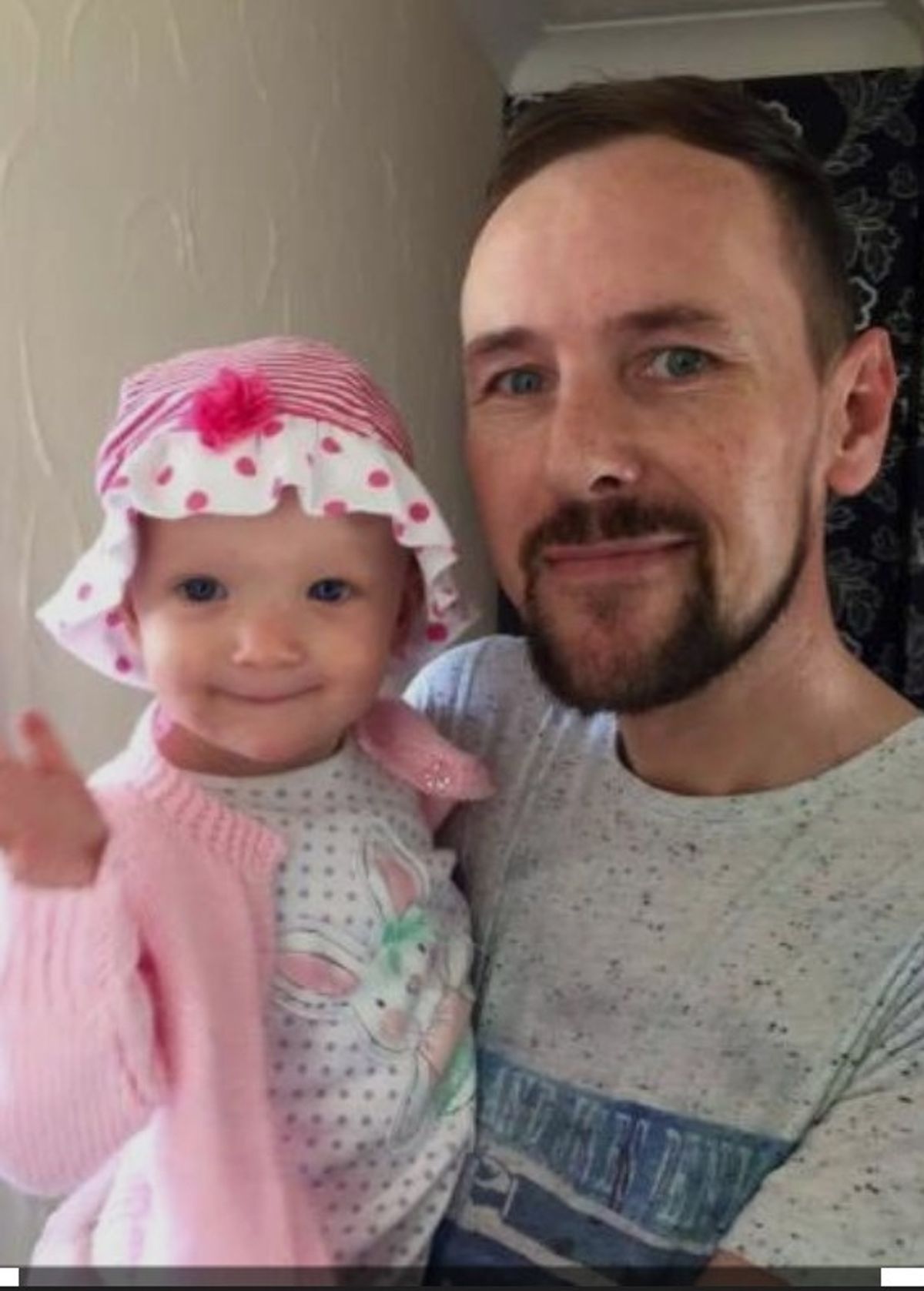
Simon Wainwright with his daughter(Image: Handout)
“I have continued to deal with pain and limitations following surgery, which has affected my day-to-day life,” he said. “A few years later, I had to have all metal spinal work removed and re-instrumented due to continued infection and poor healing. My spine has since deteriorated further, leaving me with a more pronounced curvature.
“It has also reduced my confidence in the healthcare system and made me anxious about future treatment.”
Mr Wainwright also described ‘aggressive and dismissive behaviour’ towards nursing staff and other healthcare professionals during his treatment, which caused concern about the culture within the department.
He added: “Many patients have waited years for answers and clarity. I appreciate being given the opportunity to contribute to the review, but I think patients wanted clearer communication and reassurance throughout the process and following publication of the report. I just want to make sure patient experiences are genuinely listened to and not minimised.”
‘This report is a significant moment’
A further review lasting at least years where previous patients of Williamson are encouraged to come forward has been recommended.
Fletchers Solicitors, which represents Mr Wainwright and a number of other former patients, says the NHS England report validates many of the concerns raised by affected individuals over a prolonged period.
Christian Beadell, of Fletchers, said: “The publication of this report is an important moment for the many former patients and families who have been living with uncertainty and distress for a significant period of time.

Salford Royal Hospital.(Image: ABNM Photography)
“The report identifies a number of important concerns regarding the way previous reviews and investigations were conducted, including shortcomings in patient engagement, methodology, governance and organisational culture.
“The report’s recognition that confidence in earlier review processes was lost among some patients and staff is particularly significant. Many of our clients have consistently raised concerns about transparency, communication and whether the full picture was ever properly examined.
“While the report notes that independent clinical experts have not recommended a further large-scale patient recall at this stage, it is important that affected patients continue to have access to independent clinical reviews and appropriate ongoing support.
“In particular, we welcome the reports recommendation that there should be a three-year window for patients to be able to seek a review of their treatment by Mr Williamson, irrespective of whether they have been included in one of the previous reviews.
“We further welcome the report’s recommendations around organisational learning, improved governance and the need for more open engagement with patients and families. However, this report must not simply become another procedural exercise. It must now lead to accountability, appropriate redress where failings are identified and tangible improvements to patient safety systems and organisational culture going forward.
“For many people, the emotional impact of discovering concerns about their treatment years later has been profound. Some patients continue to feel they have unanswered questions about their care and about how concerns were managed historically.”
Tamlin Bolton, who represents another tranche of patients for law firm Irwin Mitchell, said: “This report is a significant moment for patients and families who have spent years feeling unheard. It accepts that real harm occurred and, crucially, that the reviews meant to examine that harm were too narrow, too reliant on flawed records, and failed to properly engage with the people most affected.
“While some investigations were undertaken in good faith, the report makes clear they didn’t answer key questions, didn’t command trust, and in some cases compounded the trauma patients were already living with. What comes through very strongly is that this cannot be treated as a purely historic issue or a technical exercise.
“Patients want honesty, accountability and compassion, and they want their current lives and ongoing suffering to be recognised. The recommendation for a patient led, face to face review process reflects that shift, but the report also underlines how much work is still needed to rebuild trust and ensure this never happens again.”
What NHS bosses have said
A statement from Northern Care Alliance NHS Foundation Trust said it welcomed the review and added: “The report is an important step in helping us better understand what went wrong and where we need to do better. It recognises the complexity of the issues involved and the role of different organisations over a period of time spanning many years.
“We fully take on board the feedback it provides and are committed to putting in place the recommendations made to us.”
In a message to affected families, the statement continued: “We want to say again how sorry we are to those patients and their loved ones who have been affected. We know that for some people this has been a very difficult and distressing experience over a long period of time. Many patients continue to live day to day with the consequences of care that was not of the standard it should have been, and we do not underestimate the impact of this.”
Dr Rafik Bedair, Chief Medical Officer at the trust, said: “We welcome the publication of this investigation’s findings. It is an important step in helping us better understand what went wrong and where we must improve. We accept its findings and are committed to putting in place the recommendations made to us.
“We want to say again how sorry we are to those patients and their loved ones who have been harmed, affected or distressed. We recognise that for many people this has had a lasting impact on their day-to-day lives.”