
Councillors heard of changes to some health services coming next year and expressed concerns about A&E waiting times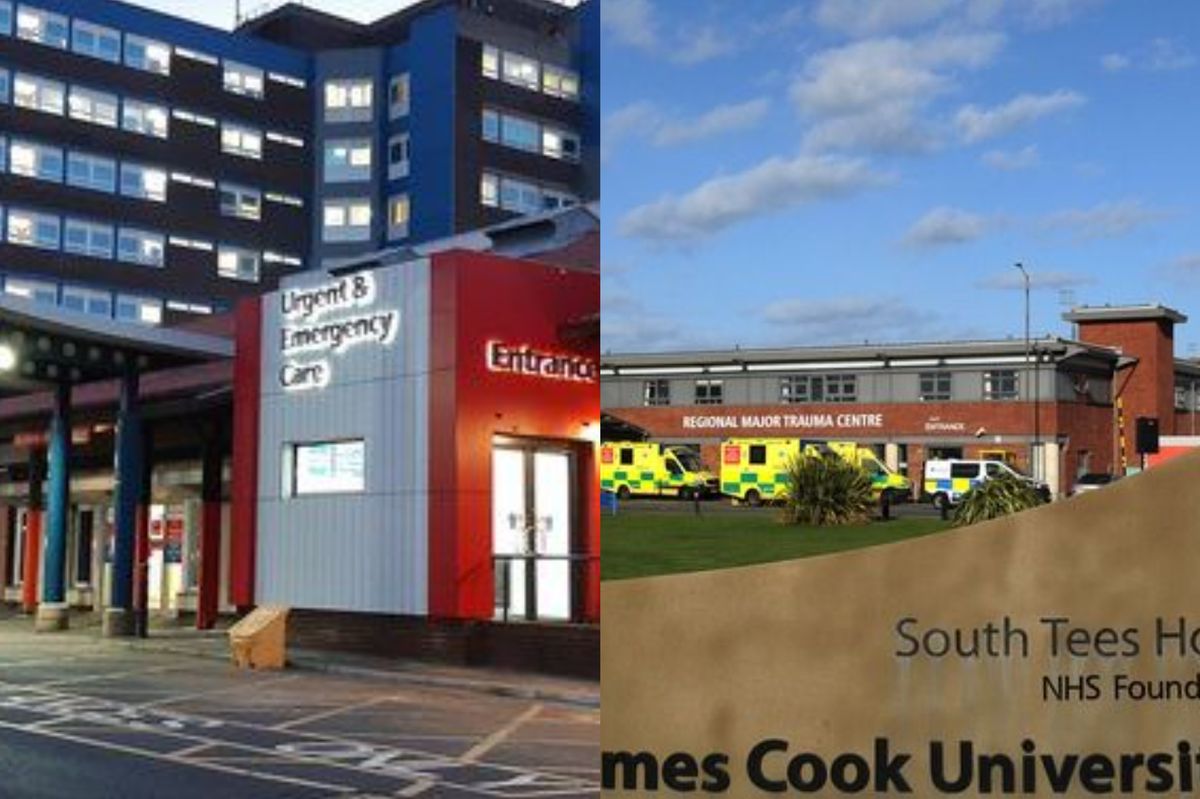
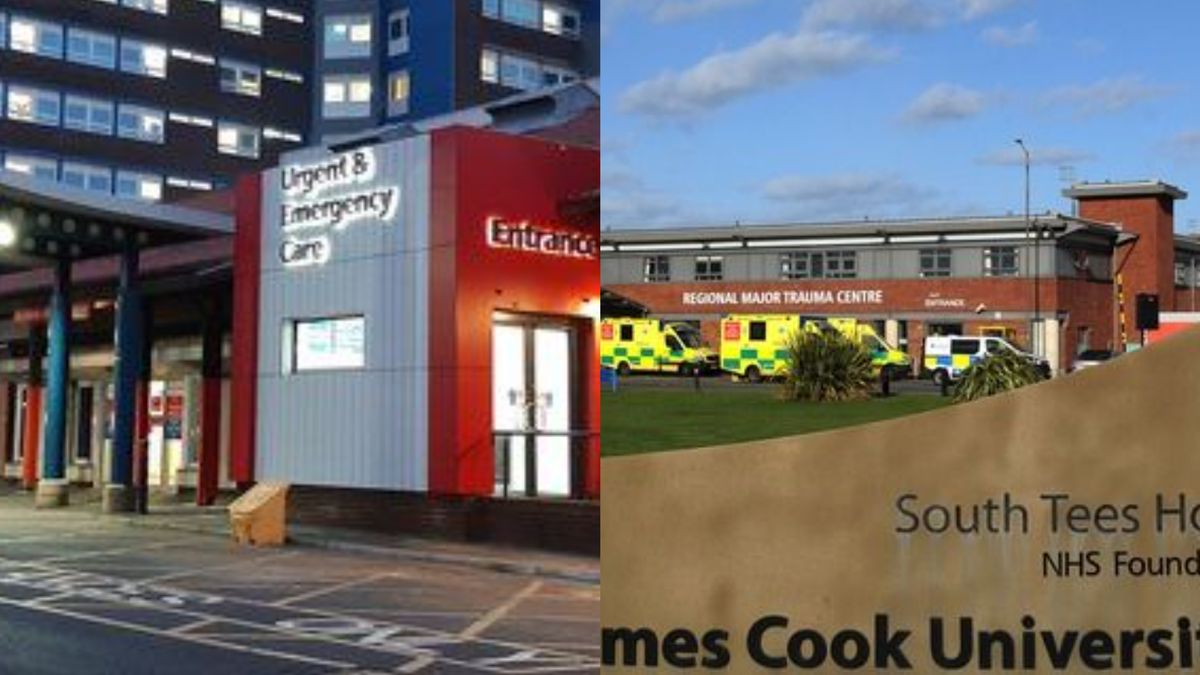
The University Hospital of North Tees in Stockton, part of the North Tees and Hartlepool NHS Foundation Trust, left, and right, The James Cook University Hospital, part of the South Tees Hospitals NHS Foundation Trust.
NHS leaders aim to eliminate “corridor care” by next year at Teesside’s hospitals.
Changes to some health services will be out to public consultation in the autumn, to launch early next year, a meeting of Stockton Council’s adult social care and health select committee heard. And health chiefs answered concerns about A&E waiting times, saying North Tees was still one of the country’s best-performing NHS trusts.
Helen Wilson, deputy director of nursing at the University Hospitals Tees group which covers both North and South Tees NHS Foundation Trusts, said improvements had been made and delays reduced in the last winter, and they were working on problems with ambulance handovers. She said: “We had better system resilience despite ongoing demands of pressure.
“Most people are aware of the corridor care that’s been in national newspapers so we’re working as a drive to reduce that. By 2027 we should have eliminated corridor care. We have teams looking at that and trying to enhance flow to reduce that in all areas,” she said in a report on the group’s quality accounts for 2024 to 2025.
She said there was work on 12-hour A&E waits at the University Hospital of North Tees, with a £22m investment in critical care, £4m for a new discharge lounge and £3.5m for an MRI scanner. At James Cook University Hospital £6.75m was spent on a new admissions unit for urgent and emergency care, £5.5m on expanded resuscitation areas and £2m for a replacement CT scanner, all part of a 10-year health plan.
She said there had been a 50% reduction in “time-critical medication omissions” in North Tees, with pharmacy recruitment which “means we see more patients and the patients get a better service” and a focus on discharge prescriptions making fewer “medication incidents”, as well as the national priority of infection control. Ms Wilson said they had a detailed action plan to protect vulneable patients from infection.
Pilots could be rolled out across Teesside
She added: “We need a decant programme so we’ve always got a ward where we can move patients across and it frees up a ward to do deep cleaning. We’ve found that’s been really beneficial.”
The group reported 1,835 deaths in South Tees, including 208 cases reviewed by consultants: “We only had 0.01% judged more likely than not due to care issues.” North Tees had 1,198 deaths, with 53 case reviews.
James Cook’s urgent treatment centre (UTC) sees 60,000 patients a year and North Tees’ new emergency assessment suite sees 55 patients a day, with 70% reviewed and sent home on the same day without a hospital admission. In James Cook, 94% of UTC patients were seen within four hours.
The group had trained 1,267 staff in mental health awareness, with a suicide prevention plan, a mental health strategy, support from health care teams and help for children. A “care coordination centre” pilot, meanwhile, took more than 1,000 calls and more than 300 patients over 65 received care at home or in the community, while pilots on “hospital at home” and mental health are hoped or expected to be rolled out across Teesside.
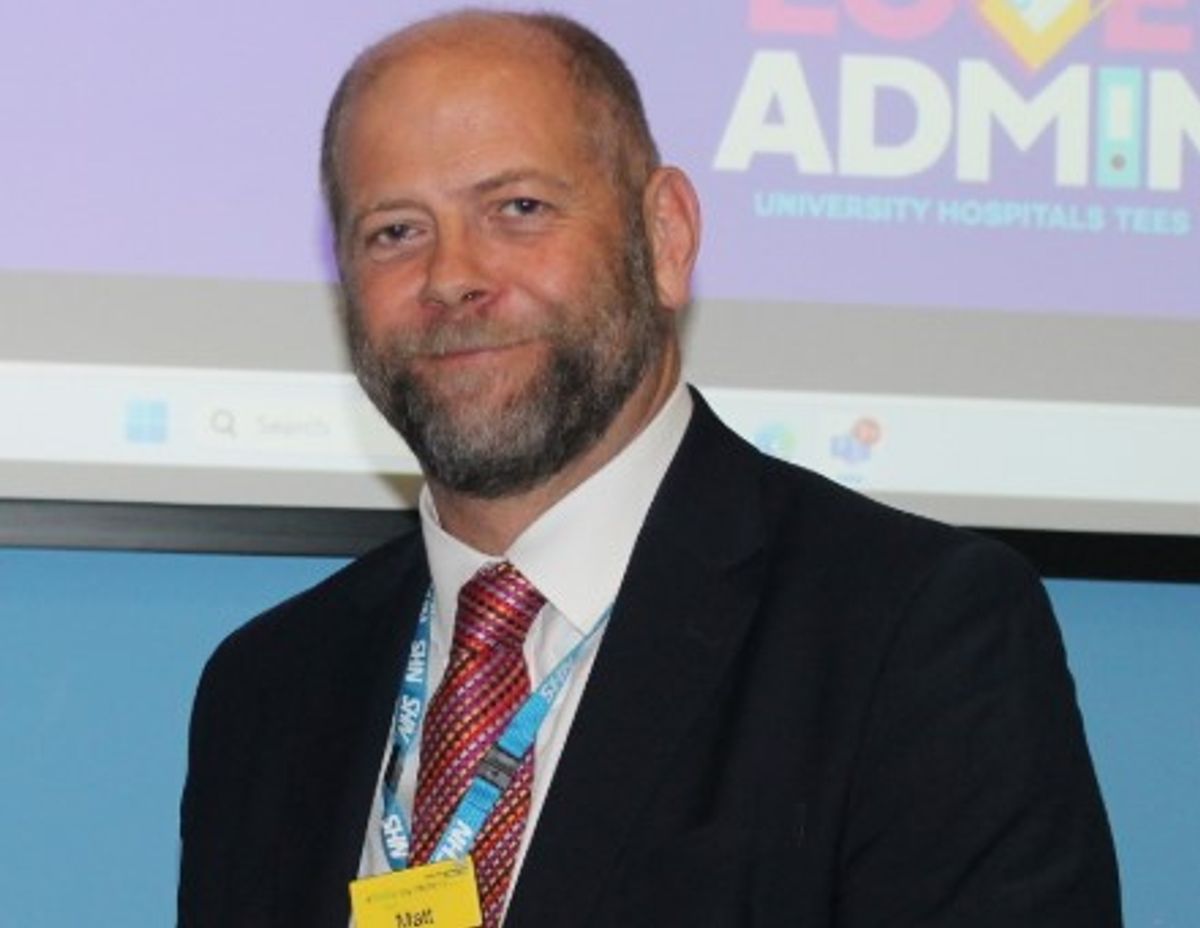
Matt Neligan, deputy chief executive and chief strategy officer at the University Hospitals Tees NHS group(Image: UGC)
Family liaison officers supported patients, carers and relatives through the complaints process, said deputy director of quality Judith Connor: “We are very much aware that we’ve got further work to do in that area, particularly around the responsiveness and timeliness of responding to patients, carers and families when they have unfortunately needed to make a formal complaint.”
More staff speaking up about concerns was seen as positive: “People feel they can come and highlight any concerns and they know as a trust we’re going to actually do something about it. Our highest themes are inappropriate behaviours.”
Matt Neligan, deputy chief executive and chief strategy officer, said: “We’re responding to try to learn and improve and tackle the underlying causes, rather than to blame.” Asked about racial abuse and violence towards staff, he said “incidents that are completely unacceptable” had been reported and the chief executive Stacey Hunter had championed the group on “behaviour that has no place in Britain today”.
Councillor Lynn Hall asked about changes to where residents would go for services. Mr Neligan said most care would be provided in the same places, with a few areas moving to a “joint model” between the two trusts in the next five to 10 years.
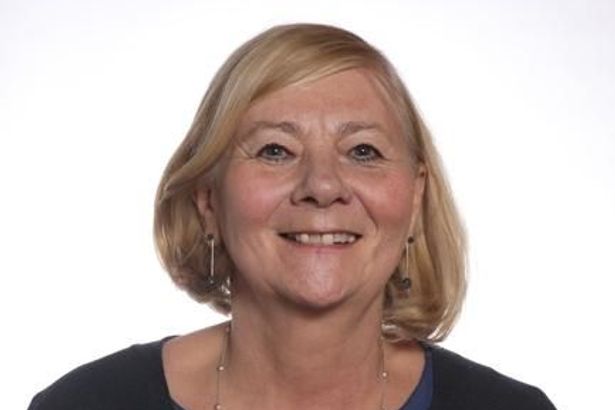
Councillor Lynn Hall, Conservative member for Hartburn on Stockton Council.(Image: Stockton-on-Tees Borough Council)
He said: “We’ll be having the first conversation on that this summer with the outline proposals on an initial set of services where we’d look to do that. That’s likely to be areas like urology, reproductive medicine, some of the changes we’re planning with haematology and stroke, and a handful of other services.
“We’ll be conducting public consultation in the autumn and then a limited number of services changes early next year.”
Cllr Hall expressed concerns about hospital discharges: “This is the big one for me, the wait in A&E. Clearly, even on your own figures, it’s gone up quite dramatically, it’s gone up 45% from last year.
“We’ve got 7.1% of patients who are waiting more than 12 hours in A&E this year, and it has been noticed by our residents. We don’t often see that in North Tees, North Tees was leading the way.

Councillor Jack Miller, Conservative member of Stockton Council for Fairfield ward(Image: Stockton Council)
“That’s why so many ambulances were bringing patients into North Tees, and we don’t want to see that slip… The perception is clearly from our residents that there is a problem.”
Mr Neligan said the percentage increases were on relatively small numbers as national performance declined with winter pressures: “We’re still one of the best-performing organisations in the country on ED [emergency department] performance.
“When other units are under pressure, we do end up helping out everyone. So you see a slight deterioration in our performance on those long waiters, but lots of improvement action on patient flow through emergency care.”
Cllr Jack Miller raised concerns about a dip in staff morale. Ms Connor replied: “It’s inevitable unfortunately when you’ve got whole-scale change going across a very large organisation. There was two very different cultures and now the teams are working together.
“I think when you’re taking over 16,000 staff through a massive change programme, obviously it’s going to have an impact. But we are aware of that,” she said, referring to an open-door policy and “open mic sessions where staff can throw literally any question to the chief executive”.
Did you know you can make Teesside Live a preferred source of Teesside news in Google, which will mean you get more of our breaking news, exclusives, and must-read stories straight away? Here’s more information about what this means and how to do it – you can also do it straight away by clicking here.
For Stockton news direct to your inbox, go here to sign up to our free newsletter