
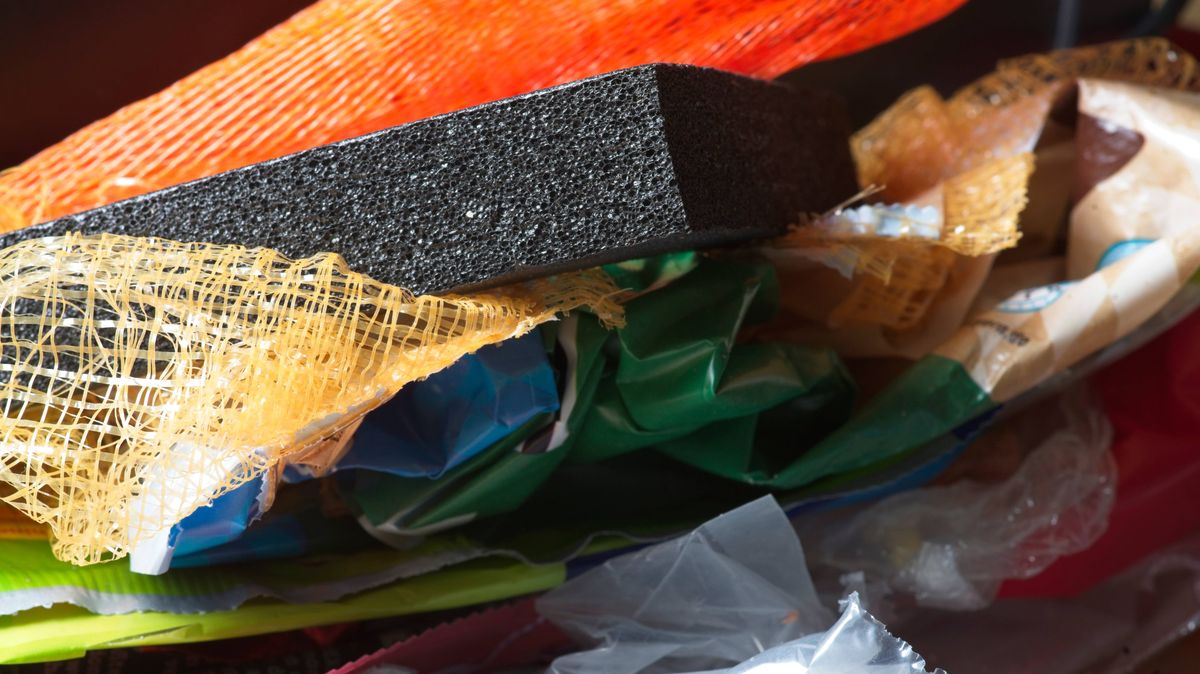
It’s important to know that soft plastics like crisp packets, bubble wrap and plastic bags cannot be recycled in your usual household recycling bins in the UK
Vita Molyneux Travel reporter
03:49, 02 Jun 2026Updated 12:34, 03 Jun 2026
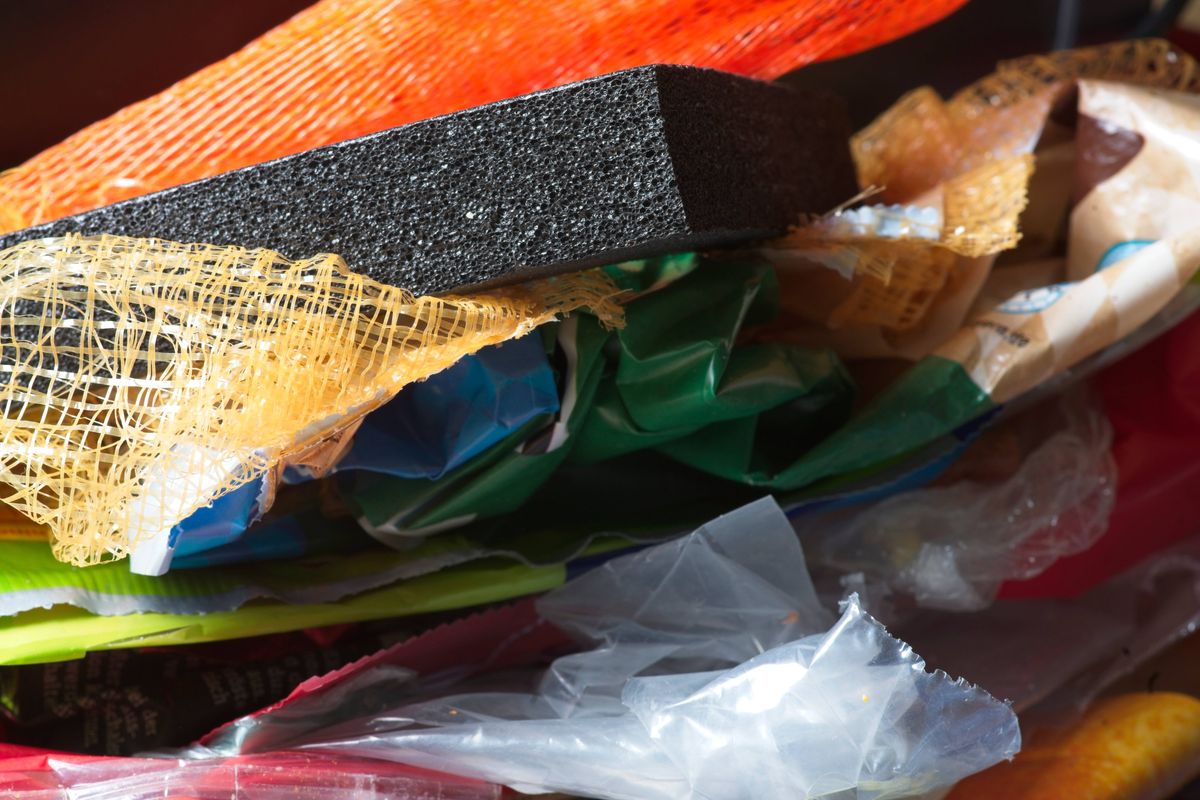
Some plastics cannot be recycled with the general rubbish(Image: Kypros via Getty Images)
Plastic waste such as crisp packets, bubble wrap and carrier bags used for groceries represents one of the most stubborn environmental challenges. These soft, flexible plastics can’t be recycled through standard recycling collections, meaning UK residents often struggle to dispose of them correctly.
These materials aren’t suitable for general recycling as they require processing at specialist facilities, which Britain lacks in sufficient numbers.
Consumer group Which? reports that most soft plastics currently collected and recycled are actually converted into bin liners or plastic garden furniture due to their inferior quality.
Unlike milk bottles or drinks containers that become new bottles, soft plastics undergo downcycling.
While certain councils provide kerbside collection for soft plastics, this remains uncommon.
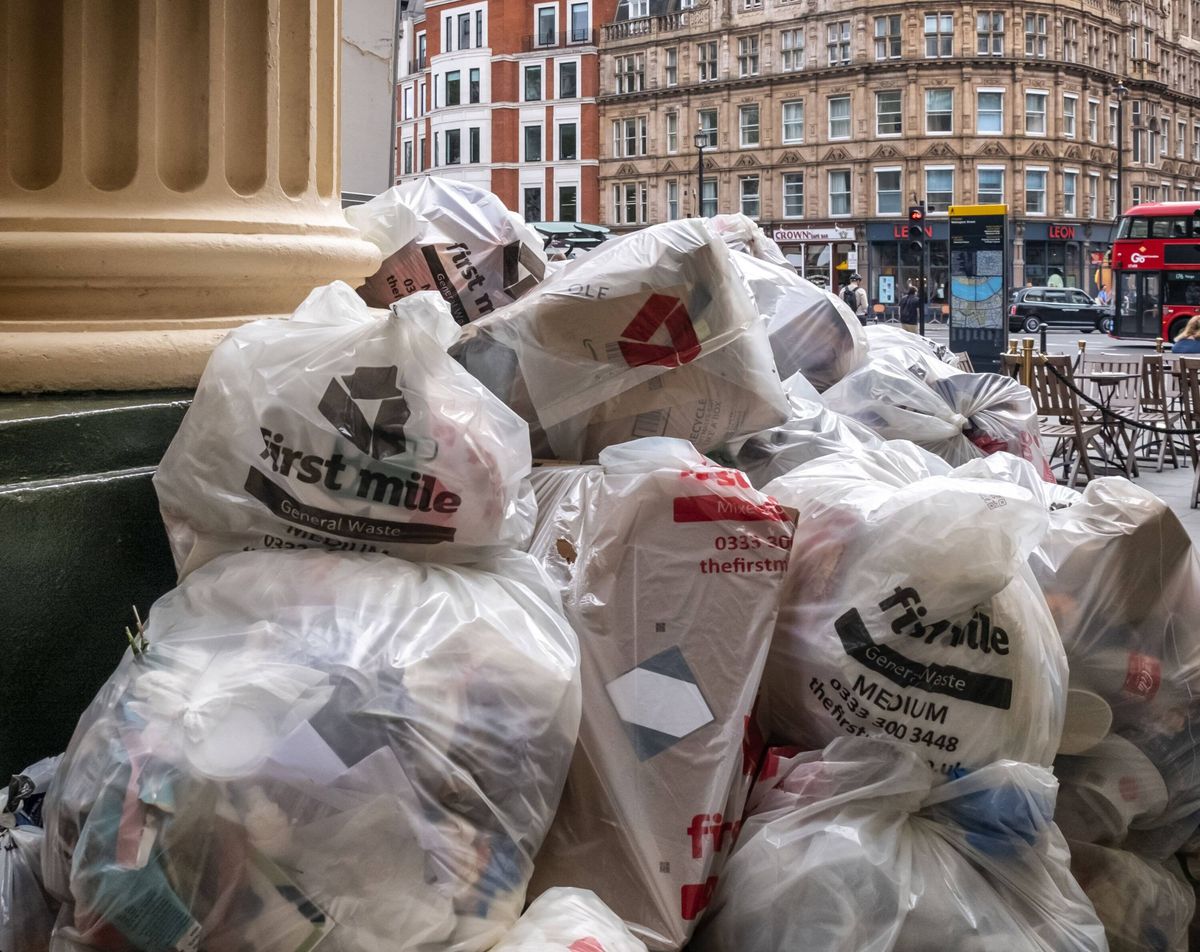
Soft plastics need to be recycled seperately(Image: Getty)
The recommended approach is to gather your soft plastics and deliver them to a nearby large supermarket. Numerous major supermarkets operate soft plastics collection points where you can deposit your plastic waste.
When soft plastics enter general recycling streams, they create significant problems. The Independent consulted Erha Andini, a Delaware-based chemical engineering specialist and science communicator.
She explained: “Once they get shredded or even before, a lot of times they just clog recycling equipment.”
Clogged equipment can bring operations to a standstill and cause machinery damage.
Figures from the Waste and Resources Action Programme (WRAP) reveal that 81% of individuals are placing non-recyclable materials in recycling bins.
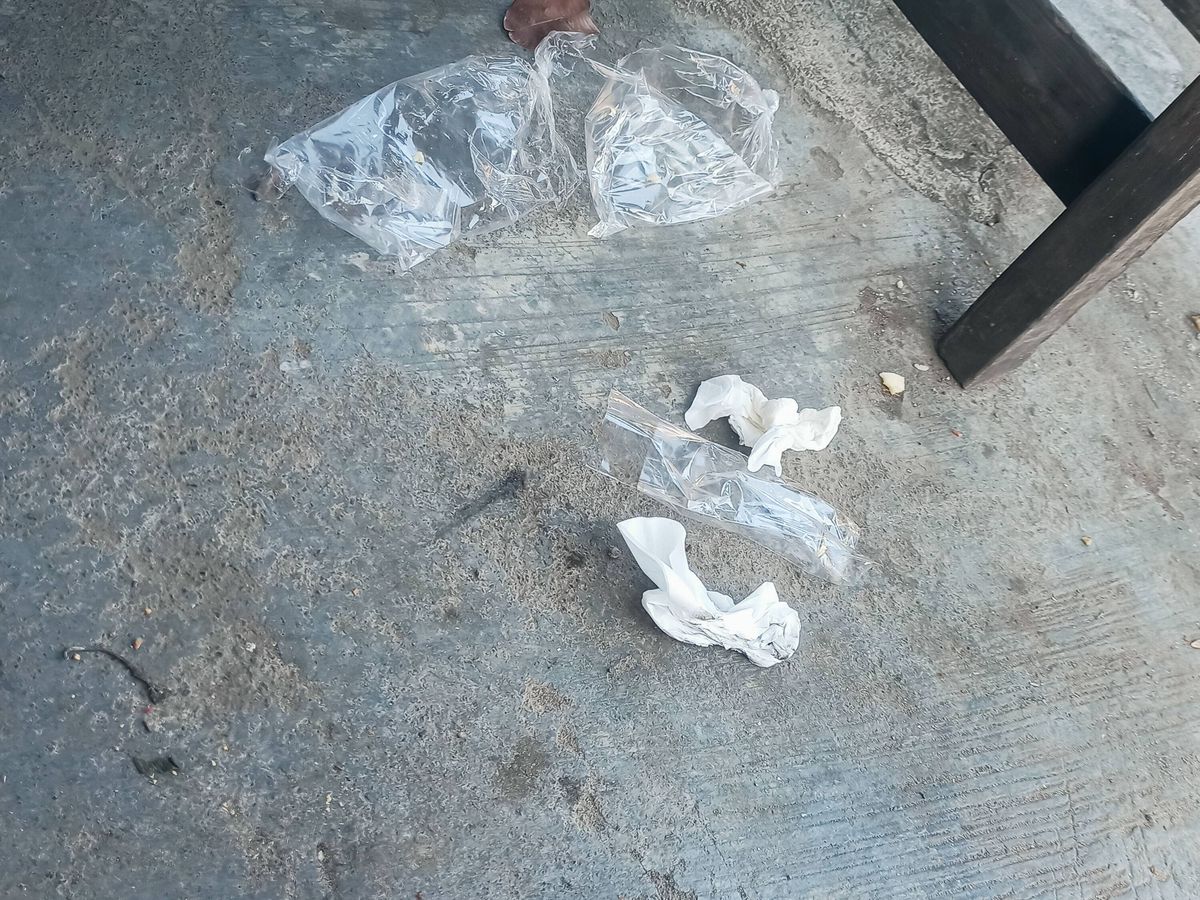
Plastic recycling can be tricky(Image: Getty)
Contamination continues to be an ongoing problem, particularly with items such as drinking glasses and food and drink foil pouches.
While the UK currently lacks sufficient facilities to handle what’s collected, increased demand will drive greater supply.
This is why it’s crucial to recycle your soft plastics with care.