
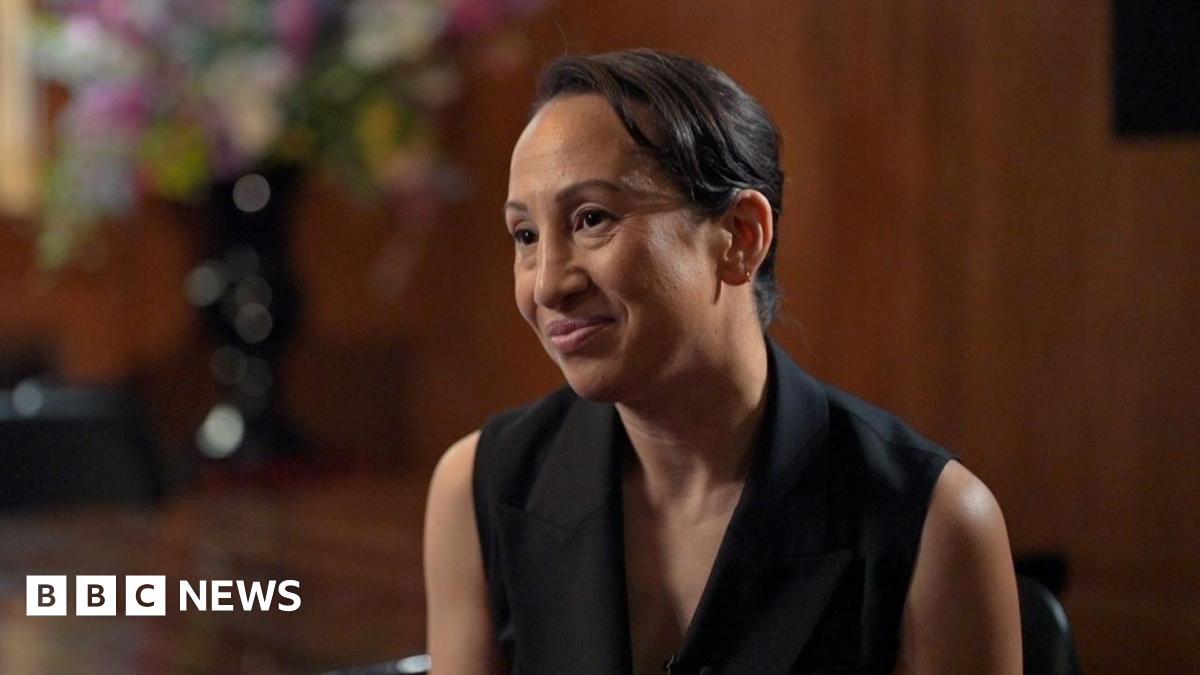
Gleit came to the UK this week from Meta’s US HQ to talk about the firm’s latest big disruptor: AI agents.
Agents are like an advanced form of chatbot – capable not just of answering questions but able to fully carry out tasks.
Gleit says these agents can be “superpowers” for small firms, so Meta is incorporating them into WhatsApp, which counts hundreds of millions of business users among the 3.5 billion people worldwide who are on the platform.
The company plans to charge firms great and small to have AI agents running their WhatsApp chats with customers on their behalf, day and night, and providing business insights.
“We’re really focused on what businesses need, and what they tell us is they’re getting so many messages from people,” Gleit says.
AI agents, she suggests, will be better at helping them cope and liaise with customers than with existing tools.
Questions abound, though, about the reliability of AI agents – and there are concerns they will use their autonomy to act erratically.
Earlier this week, Meta had to fix an issue which allowed hackers to trick an Instagram AI support tool into giving them access to other users’ accounts.
The problem there, Gleit says, was unrelated to the agent itself – and she insists safety is the company’s “priority and focus.”
She says the tech is of particular value to small businesses who can get access to customer insights mostly available to large companies who can afford to hire loads of people to do the work for them.
But what happens to the people who might otherwise do those jobs?
Gleit says there is no doubt AI will “transform” the workforce, but she is optimistic about the creation of new, as yet unknown, jobs.
“When I was growing up my job as a product manager didn’t exist because there was no internet,” she says.