
It’s always been critical to have safe spaces, especially for vulnerable populations. In the 1960s and ’70s, the LGBTQA community originated the idea of “safe spaces” to protect people physically and otherwise. These spaces took the form of gay bars, community centers, and support groups—anywhere people could gather without fear of violence for being themselves (Hanhardt, 2020). In the feminist movement, the most empowering spaces were those where women could speak their truths without criticism, fear, or patriarchal constructs (Koch, 2025). It was in these safe spaces that people found not only freedom of expression but also the ability to create community and build solidarity. Classrooms introduced the notion of safe spaces to demonstrate empathy and allyship. bell hooks (2014) urged educators to consider that classrooms were mirrors and extensions of societal constructs that had the power of continued oppression, exploitation, or isolation. Instead, she urged classrooms to be places of freedom.
Physical boundaries where people identified as part of the community through shared symbols like rainbows were clear ways to indicate which spaces were safe. Such symbols are still used today, such as “I am an ally” stickers, social movement buttons, or even campaign-oriented T-shirts. Open language, such as asking someone what pronouns they use, is another way to create psychological safety within physical spaces that extends beyond the classroom. Amy Edmondson (2018), in her definitive work on psychological safety in the workplace, found that it led to a willingness to take interpersonal risks, which in turn led to more innovation and creativity in the organization.
More Than a Safe Space
Safe was a good beginning, but educators like hooks and Freire (1996) felt places of true learning were where people could engage critically and bring their full identities to bear. This was a decisive shift from “safe” spaces to “brave” spaces. Schoolchildren were taught not only to respect diversity but to “stand up” for others. Often, having a brave space required having difficult conversations and processing differences. Journalist Charles Duhigg (2024) identifies the most effective communication as involving “who are we” conversations that are about social identities and being able to be understood, accepted, and contested with respect. Obviously, these are the hardest conversations and require a certain amount of vulnerability and openness, which relates to psychological bravery.
Brave spaces are also characterized by speaking up when silence might be more comfortable, being accountable for mistakes, witnessing human experience, and acknowledging or confronting privilege. The psychological literature assumes that brave spaces are those of intentional, meaningful engagement, but they can also be viewed as environments that have been structured to support courageous actions. Author and facilitator adrienne maree brown (2017) encourages co-creating brave spaces and viewing them through the lens of transformative justice, conflict resolution, and collective accountability. Even though it is difficult, brave spaces continue to be built.
Beyond Brave
With the legislative crackdowns on diversity, equity, and inclusion, and as social norms shift to more politically polarized sentiments, brave spaces are not only rarer but also more exhausting to curate (Ben-Porath, 2023). Add to this the general state of chronic fear and vulnerability that marginalized groups feel, especially in the United States, and brave spaces do not seem to be enough. Further, some activists see brave spaces as an added burden for those who are marginalized (who usually facilitate these spaces) when they already have to navigate everyday structural inequalities.
Hope Lives Here
Where does that leave us? In these times, places of hope are needed. As I have been writing about this year, hope is a protective factor. Indeed, it’s made the difference between surviving socioeconomic and political turmoil and thriving despite the challenges. But how do you fill a space with it?
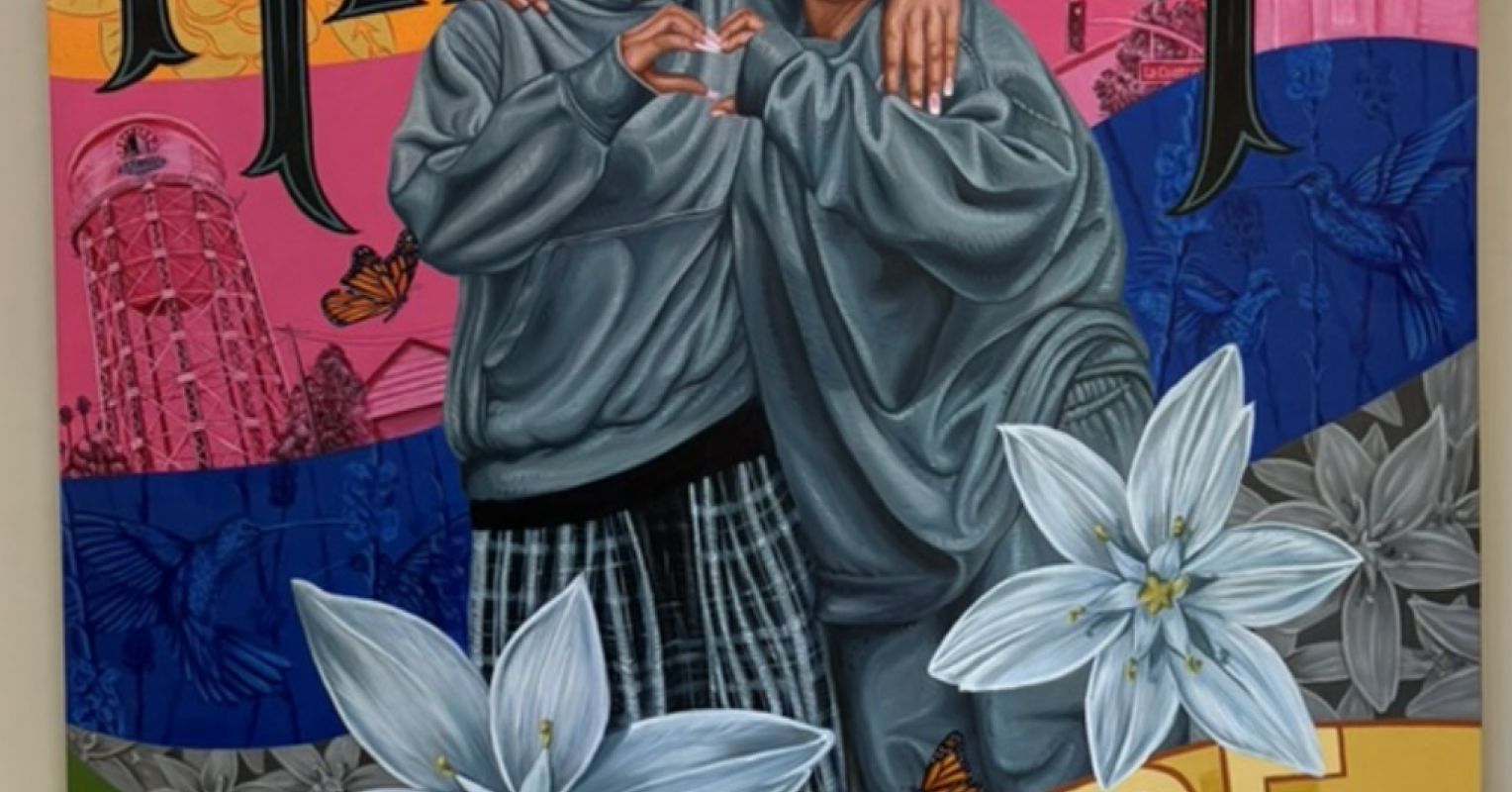
In a glass and metal building, much like any other office building in Orange County, California, the first thing you might notice is the murals unfurled along the hallways and behind the receptionist desk in old English script declaring, “Hope Lives Here.” This is Project Kinship, an organization that provides support and training to those who have been impacted by incarceration, gangs, and violence, led by Executive Director Steve Kim. Battling challenges of re-entry himself, Steve founded this organization in 1999 and is proud that his staff of over 150 are primarily from system-impacted backgrounds, even on his executive board. Steve shared, “At Kinship, hope became more than just an idea. It became something people could actually feel through belonging, trust, and community. Folks who felt isolated started realizing they weren’t alone anymore. People began showing up for each other in real ways, and that changed everything. That’s when we realized hope wasn’t just something we talked about. It was living in the relationships themselves.”
Hope fills the space physically and metaphorically. For example, it may come into focus in the smell of birria on the stove through the practice of community cooking or the laughter of a group of people in conversation in one of the many seating areas set up in circles instead of the rows that are common in most lobbies. On any given day, there are children playing, students studying, and even a makeshift garden in one of the office cubicles. There can be lively debates, trainings around a whiteboard, and in one corner, two individuals, hands intertwined, offering support to one another. Steve goes on to say, “It’s not easy walking the way of hope. It’s definitely not efficient, but it’s doable, and we just gotta keep doing it.”
Ordinary Magic in Action
You don’t need formal spaces to fill with hope. You can do so in simple, easy ways. Try one this week:
Hope rises when power shifts. Try intentionally centering the voices of those with the least systemic power. For instance, ask a child their opinion or to tell you a story from their perspective.
Design for hope. Your interior decor can support hope by being comforting, open, and accessible. Try group seating and more places at the table.
Invite hope in. Space is not always our physical surroundings—invite someone you want to connect with in, ask them how their day was, and then…listen.