
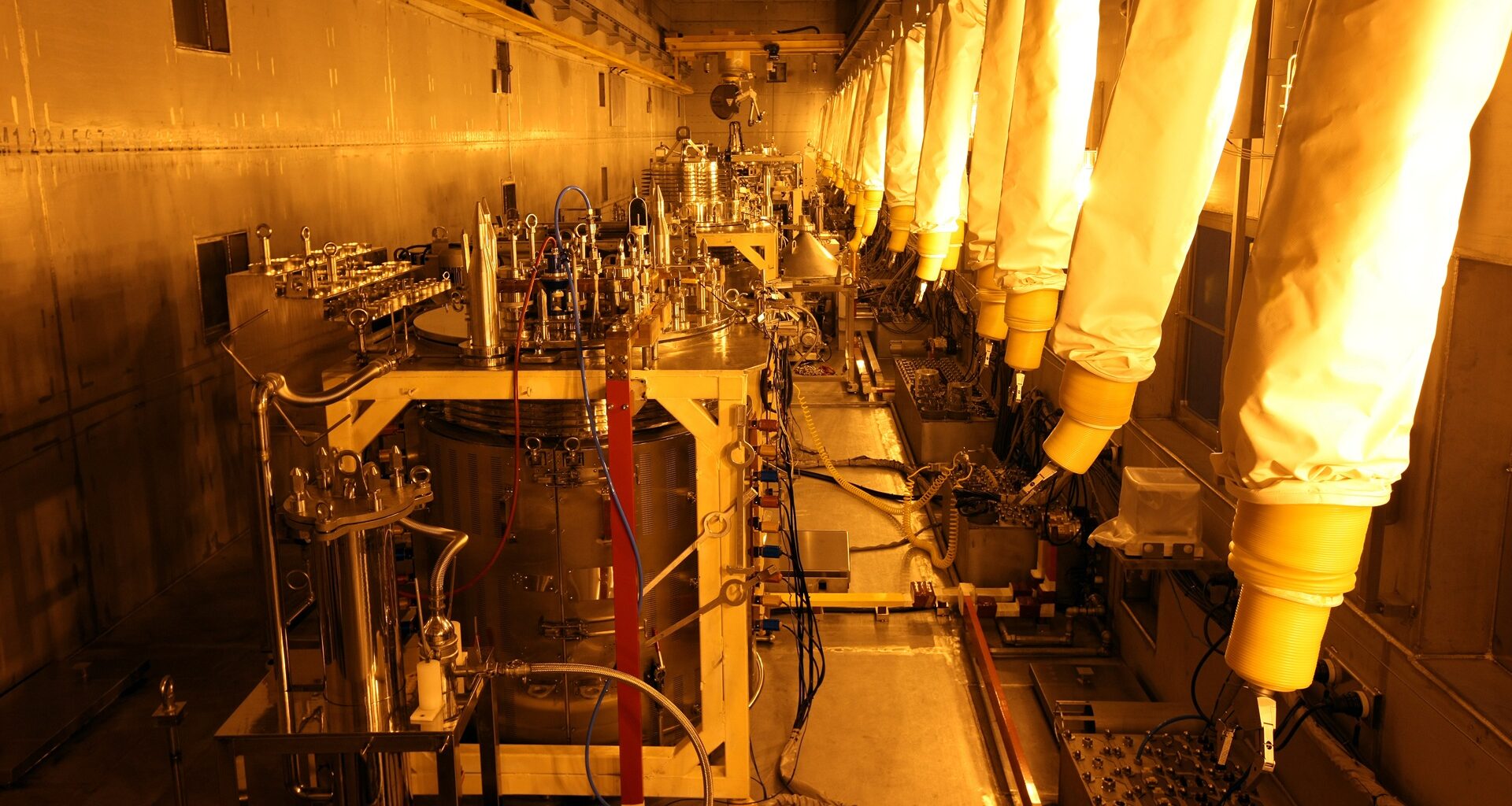
On December 20, 1951, the Experimental Breeder Reactor-I (EBR-I) in Idaho became the first nuclear reactor in the world to generate usable electricity. As a matter of fact, it produced enough power to successfully illuminate a bank of four 200-watt lightbulbs. While modest, the achievement marked the dawn of nuclear power.
Nuclear power has many advantages. It’s carbon-free, reliable, keeps the air clean, and supports both jobs and energy security. It supplies about nine percent of the world’s electricity and roughly a quarter of all low-carbon power.