
Mortgage price hikes this spring limited the chance of big property price rises throughout 2026, with experts forecasting they will rise by a rate slower than inflation or could even fall.
Increases to mortgage rates make borrowing money more expensive, which limits the size of the loans people are willing to take on. In turn, this can push down or curtail house price rises.
What do experts think will happen this year and next? Below, The i Paper runs through some expert forecasts.
Shorts
Scroll to previous short
Scroll to next short

Why crossing your legs could be bad your health…
It’s one of those every day moves that we rarely think twice about – especially when sitting for longer periods – but it could be inadvertently contributing to your back pain, high blood pressure or even issues like infertility.

Why you shouldn’t cross your legs
The fact it’s comfortable doesn’t mean it’s good for us
62%
of people prefer to cross their right over their left leg.
While 26 per cent cross their left over the right and 12 per cent have no preference.
S shape
The natural shape of the spine when stood up is an S-shaped curve.
But when we sit in a chair with our feet flat on the ground our pelvis is rocked backwards creating a C shape.
 In some people, blood pressure stays high despite medication, and hormones may be the reason (Photo: Tatiana Maksimova/Getty Images/Moment RF)
How does it impact blood pressure?
We’re restricting venous return of blood from peripheral tissues like the foot going back to the heart.
Says Adam Taylor, Professor and Director of the Clinical Anatomy Learning Centre, at Lancaster University.
Although your blood pressure should drop once you move from the position, it can have longer term impacts if you have pre-existing conditions like diabetes.
How it can impact the nervous system
In extreme it can
lead to a phenomenon
called foot drop.
 Senior woman on sofa feeling and suffering from back pain. – stock photo. (Photo: Getty)
Over the short term crossing can give you pins and needles. If you leave it there for half an hour, an hour, or longer, you can actually interfere with the muscular function of the muscles, says Taylor.

LIFESTYLE
5 min read
How it impacts posture
 (Photo: Justin Paget/ Getty).
Sam Bhide, advanced physiotherapy practitioner, believes the main impact of sitting cross-legged is gluteal tendonitis, resulting in moderate to severe hip pain.
One study found that sitting cross-legged leads to a bent and asymmetrical posture and other research shows it increasing the misalignment of the hips.
How it impacts fertility
We know that crossing your legs warms up the groin area by somewhere in the remit of three degrees. If you are a man who sits with your legs crossed for a prolonged period of time, that is not good for sperm production.
ADAM TAYLOR, PROFESSOR AND DIRECTOR OF THE CLINICAL ANATOMY LEARNING CENTRE
 (Photo: Andrew Matthews/PA).
How to fix it
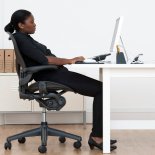 Caption: Incorrect seated posture.
Photographer: Science Photo Library
Provider: Getty Images/Science Photo Libra
Source: Science Photo Library RF
Get out of the habit
If crossing our legs is the cause, then the obvious solution is to do it less.
Microbreaks
Take time off from sitting, and put your musculoskeletal system through a normal range of motion.
 There are many ways to improve your finances this Easter (Amr Bo Shanab/Getty Images/fStop)
 (Photo: Justin Paget/Getty).
Focus on symmetry
If you’re a right over left leg crosser, try crossing the other way, so those forces are at least going through the body equally.
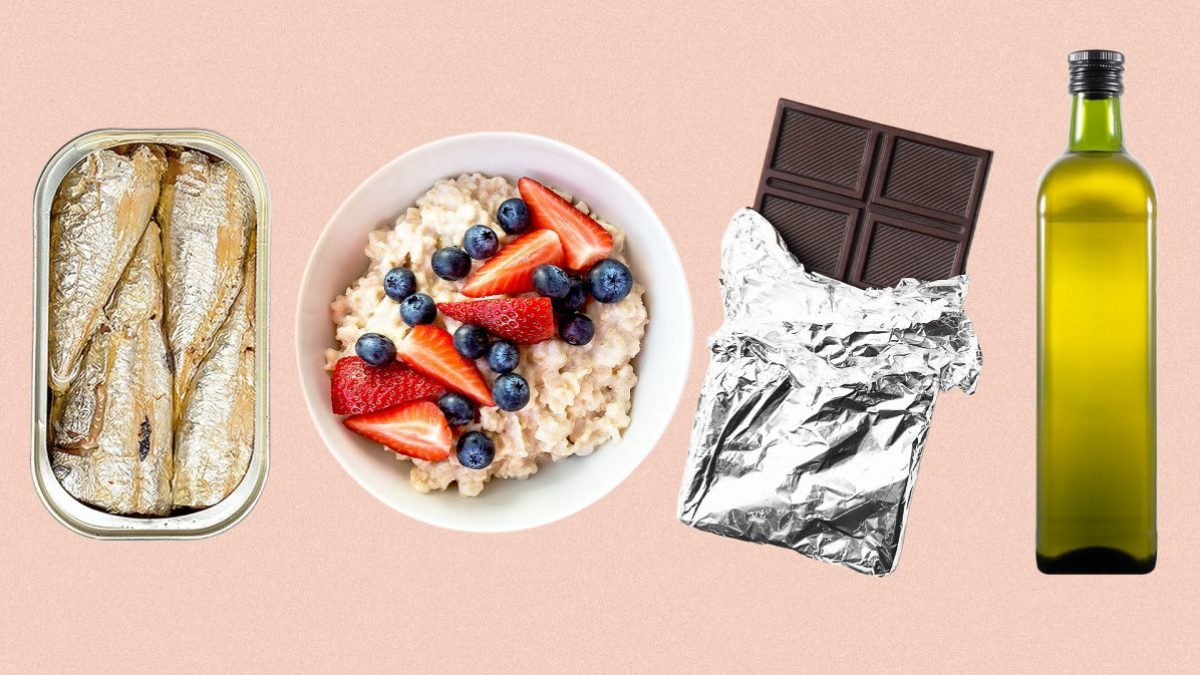
The foods the experts always have in the cupboard
Foods to keep in the cupboard
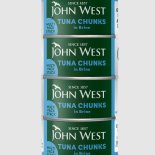 Caption: John West tuna chunks in brine, ??1.50/125g
Copyright: John West
Tinned fish
These are a great way to get Omega-3 fats and fish with soft bones are a great source of calcium, says dietician Emma Shafqat.
Ready whole grains
Dietitian Lucy Upton recommends brown rice, quinoa and barley which are low in salt.
 Rice cooked – stock photo. (Photo: Getty)
 Photographer: HakanEliacik / 500px
Provider: Getty Images/500px Prime
Source: 500px Prime
Copyright: Hakan Eliacik – 05062142485
Olive oil
Cold-pressed extra virgin olive oil has polyphenols and antioxidants, says Dr Frankie Phillips.
Foods to keep in the cupboard
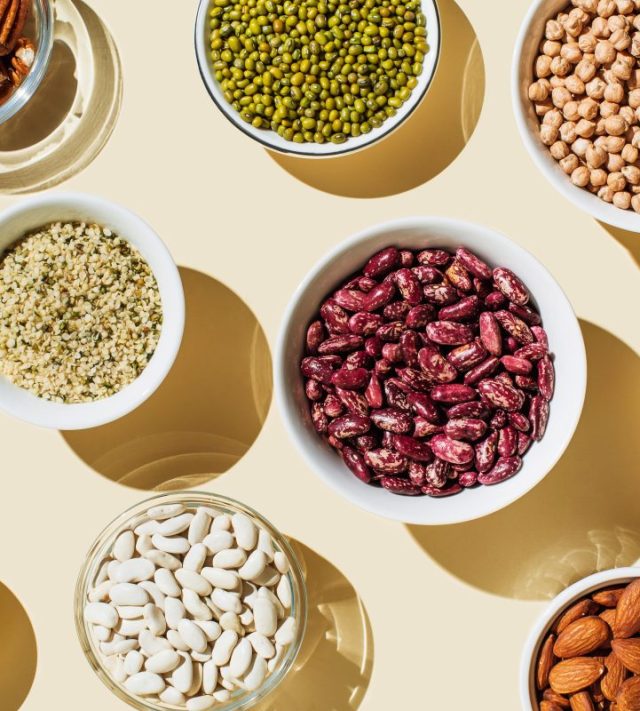
Nuts and seeds
They boast unsaturated fats, fibre, plant protein, vitamins and minerals. Raw or dry roasted should have no additives, like salt. Dr Shafqat recommends brands like Meridian, Pip & Nut and Whole Earth.
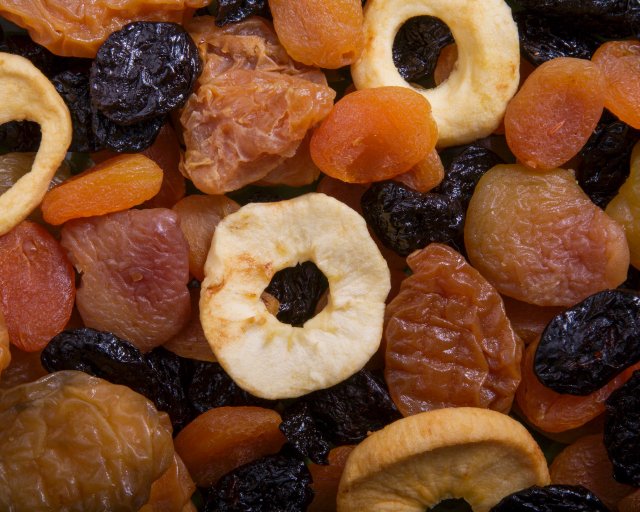 Dried fruit
(Photo: Wirestock/Getty/iStockphoto/Juergen Wiesler)
Dried fruit
If you’re mindful of the addd sugar, they can be great for fibre as part of a meal. Dr Phillips recommends dried apricots as they’re verstaile and add iron to the diet.
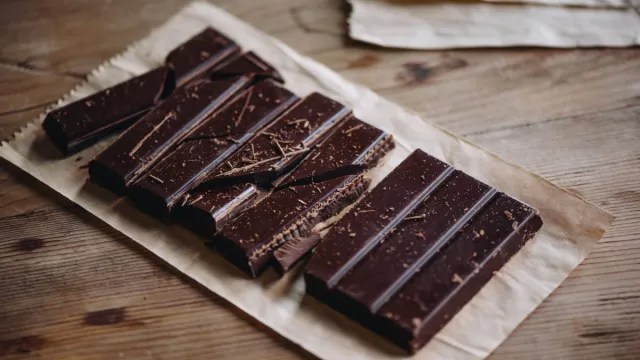
Dark chocolate
It surprises many people that dark chocolate contains fibre.
It counts as a health food thanks to its high polyphenol count.
To really optimise the health benefits, choose chocolate that is 70 per cent cocoa as it has fewer ingredients and a higher polyphenol content.
Lindt 70 to 85 per cent, Green & Black’s, Divine Fairtrade, Aldi’s Moser Roth (70 per cent) and Lidl’s own brand (85 per cent) are great, accessible options.
Foods to keep in the cupboard
Oats
Plain oats are a cheap, accessible and nutritious food that provide beta-glucan, a type of soluble fibre which helps to manage cholesterol levels.
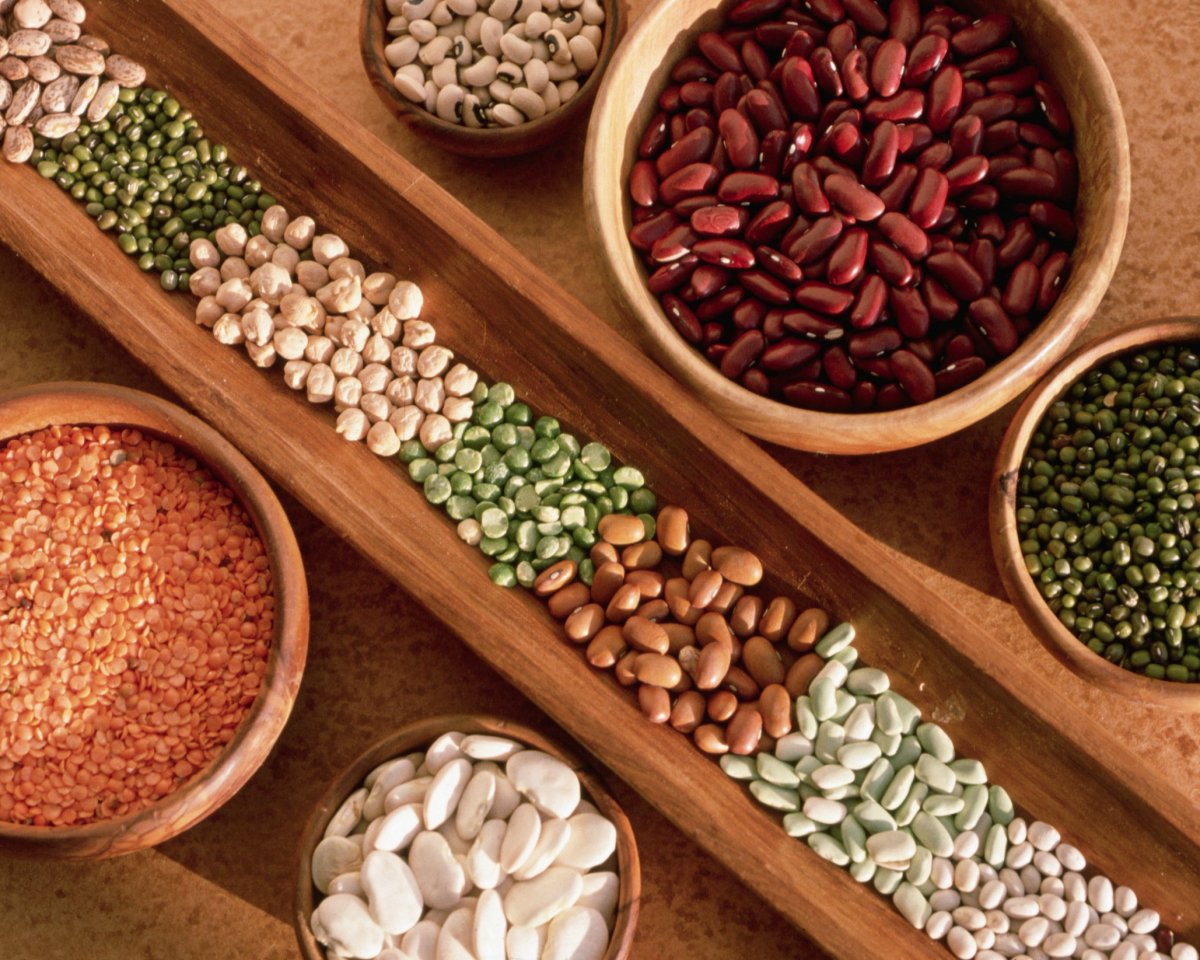 Packing out your curry with pulses (Photo: Michelle Garrett/Getty)
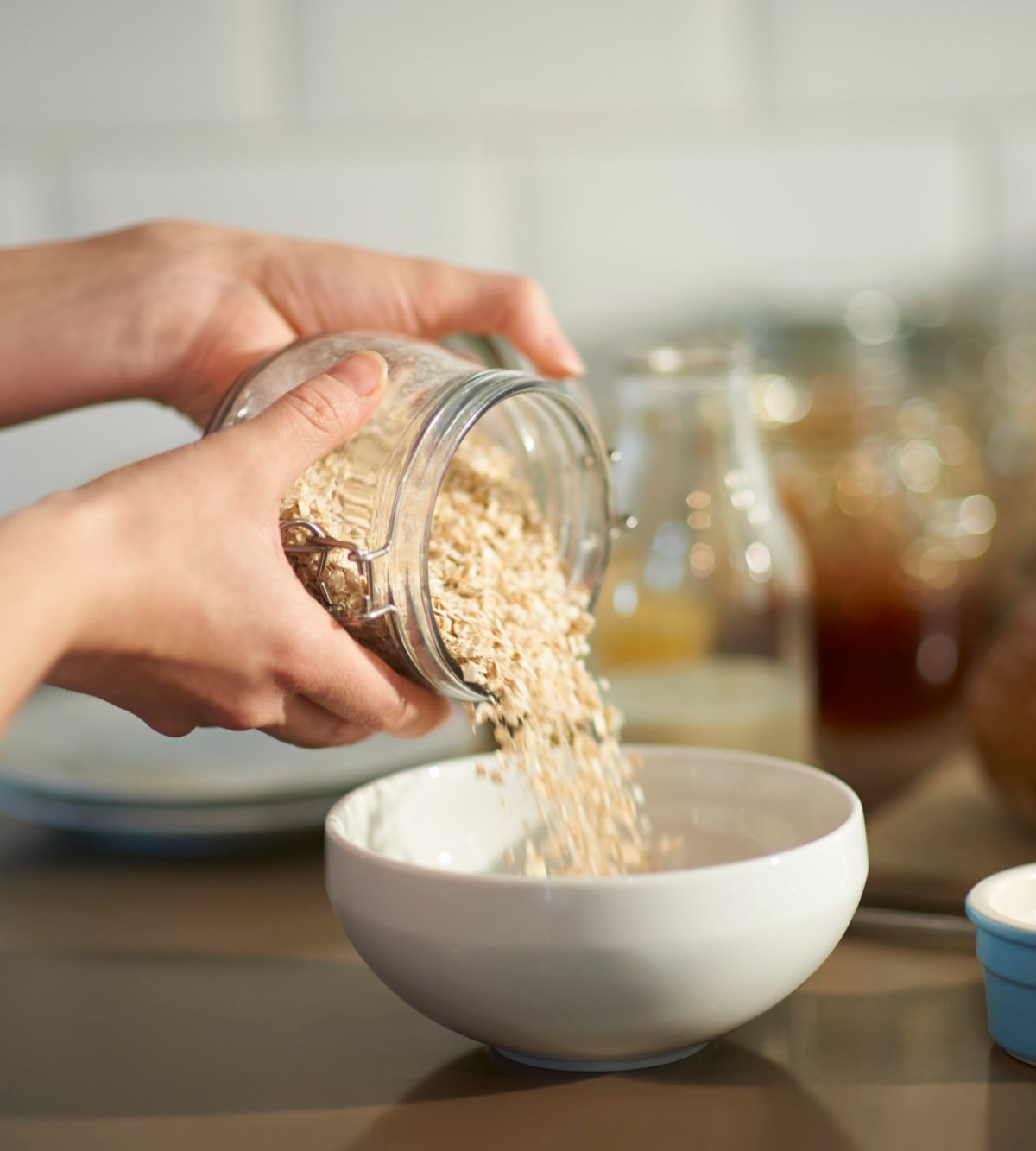 Caption: Close up of a woman preparing a wholesome breakfast by pouring oats into a bowl from a plastic free jar with fresh berries.
Photographer: Dougal Waters
Provider: Getty Images
Source: Digital Vision
Copyright: Dougal Waters Photography Ltd
Pulses
Dr Phillips keeps canned cannellini beans, kidney beans, chickpeas and red lentils in the cupboard, and adds them to soups, stews and savoury mince dishes.
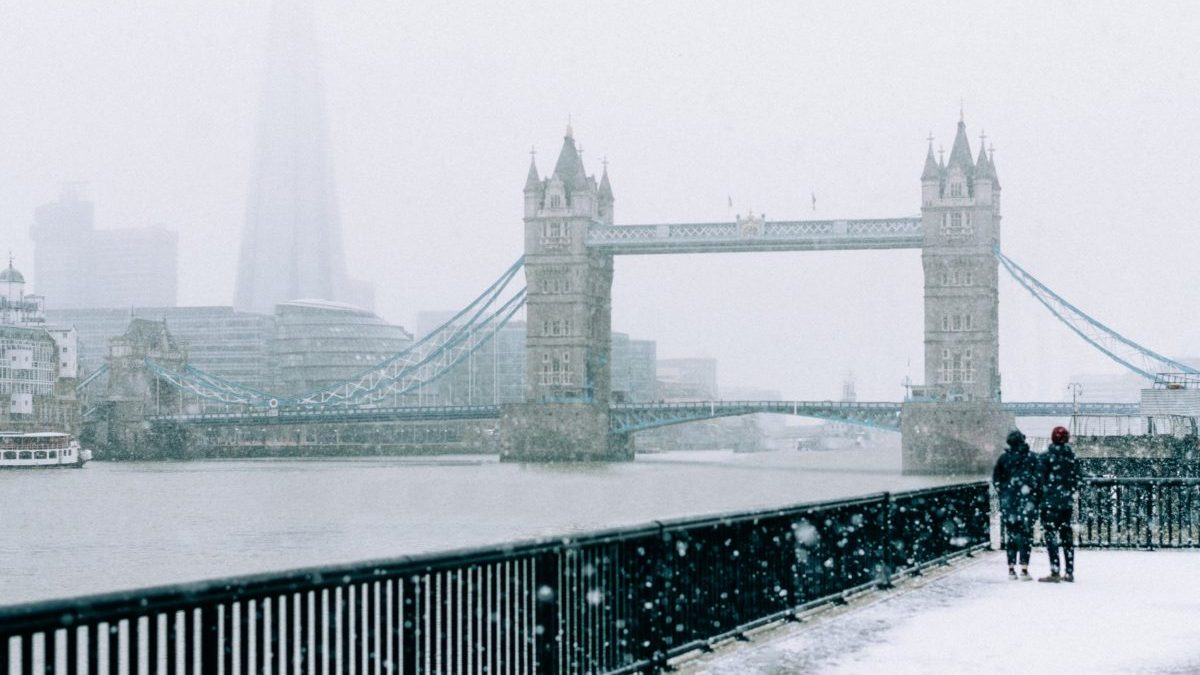
The UK’s mild climate may be destroyed
While much of the world is set to grow hotter as a result of the climate crisis, the UK could soon face a different fate.
Climate scientists fear a ‘cold blob’ in the Atlantic Ocean may bring Arctic conditions instead of a tropical future.
Bill McGuire, a professor of geophysical and climate hazards at University College London (UCL), is one of them.
Here he shares why cold temperatures could be our reality in a few decades.
Why this could happen
At the moment, global heating is making the UK hotter. This warmth is thanks to the presence of the Atlantic Meridional Overturning Circulation (AMOC), a system of currents over the Atlantic.
Without these currents, our climate would be more akin to the much colder weather in north-eastern Canada.
And the AMOC might be set to U-turn.
One study suggests that the AMOC has weakened by 15 per cent since the mid-20th century.
There is not much we can do to stop
this decline. Emissions would need to
be cut in half within five years to have
any chance of dodging a permanent global temperature change.
How to prepare for a change
“All countries need to ensure that infrastructure, food security, services
and public engagement are robust,”
says Professor McGuire.
 Caption: Snow falls over in Middleton-in-Teesdale, County Durham. Storm Chandra brought travel disruption and flooding as strong winds and heavy rain hit much of the UK. Picture date: Tuesday January 27, 2026. PA Photo. Photo credit should read: Owen Humphreys/PA Wire
Photographer: Owen Humphreys
Provider: Owen Humphreys/PA Wire
Source: PA
Copyright: PA Wire
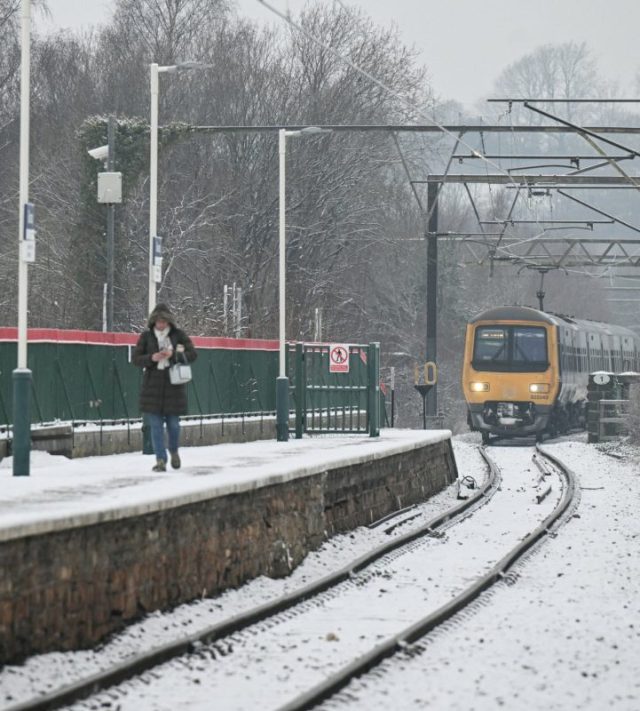 A train arrives into the station in the town of Glossop in the snowy weather last week. New rail projects planned for the North of England are ‘really exciting,’ the Transport Secretary has said (Photo: Oli SCARFF / AFP via Getty Images)
One paper estimated that only seven per cent of UK land would be suitable for
arable farming in the new climate,
compared with the current 32 per cent. “Managing this looks like rationing and restricted civil liberties,” he claims.
The global impact
 Smoke billows from a fire in an area of the Amazon rainforest near Porto Velho, Rondonia State, Brazil (Photo: Bruno Kelly/Reuters)
It could cause the weakening of the African and Asian monsoons, resulting in famine.
Increased warming of the southern hemisphere could further dry out the Amazon.
Increase melting across Antarctica would accelerate sea level rise.

LIFESTYLE
5 min read
What we need to do
This is entirely the result of global heating caused by human activities. It is critical that monitoring of the AMOC is maintained, even increased. European governments really need to be planning for a future that could well be
much colder.
AUTHOR OF THE FATE OF THE WORLD: HOW OUR FUTURE IS WRITTEN IN THE PAST
 Snow covering Arlington Row in the Cotswolds village of Bibury. – stock photo. (Photo: Getty)
Our shared ownership home is a disaster
 Paul Afshar is struggling to sell his shared ownership flat in Hackney Wick (Photo: Charlie Forgham-Bailey)
Paul Afshar felt a sense of pride when
he purchased 25 per cent of a new home in East London – as a way to get on the property ladder without huge financial backing.
But years on, Afshar has discovered the drawbacks of the scheme, including the rising costs and difficulty moving on.
The background
A 25 per cent of a one-bedroom flat in London.
In 2007 Afshar put a five per cent deposit (£2,500) on his share of the flat and entered a 35-year mortgage on a standard variable rate.
Although he only owns a quarter of his flat in Hackney but is eligible for 100 per cent of the maintenance costs.
Between 2007 and 2024 his mortgage rose 48 per cent from £268.65 to £400.28. He also pays £865.48 on rent (shared ownership requires paying rent to the organisation who owns the rest) and a service charge.
Fixing unsafe cladding on his block of will also cost in excess
of £50,000, as it isn’t eligible for government funding.
The impact on residents
It has definitely triggered a deep sense of anxiety in me that affected my mental health. It’s this constant heavy, nervous feeling in my stomach.
AFSHAR, 41
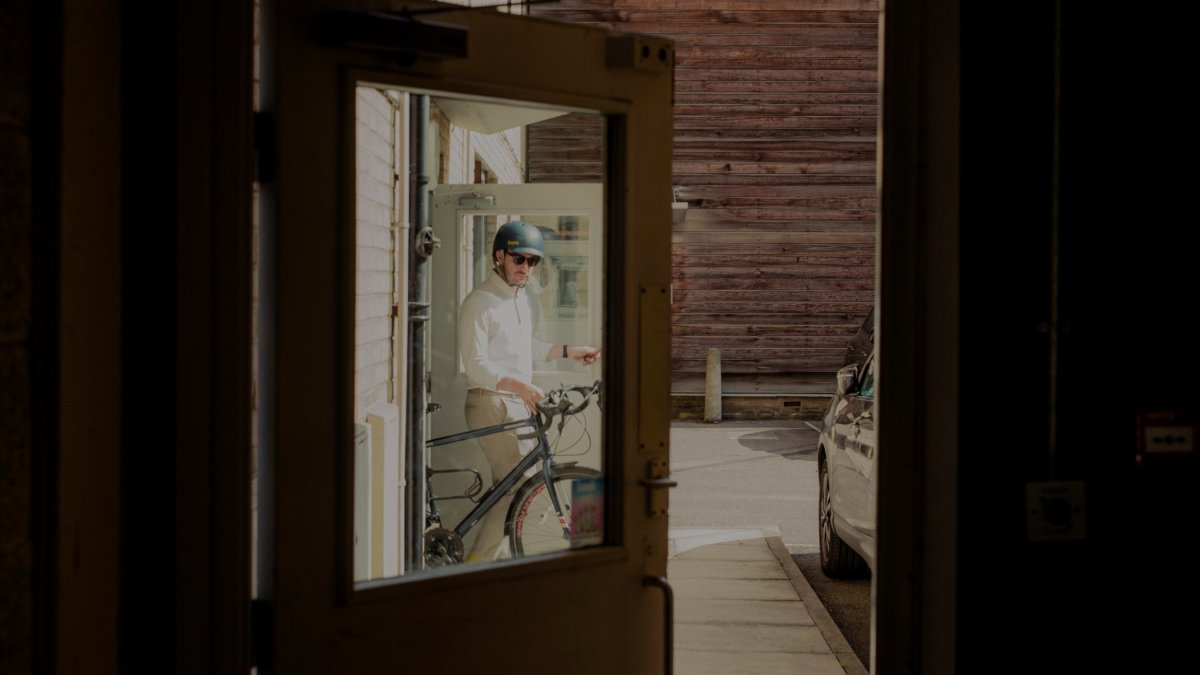 Caption: Paul Afshar, campaigner for End Our Cladding Scandal (EOCS). who???s flat in Hackney Wick has been affected by unsafe cladding which means that he is unable to sell the property.
Photographed leaving his flat.
Photographer: Charlie Forgham-Bailey
Provider: Charlie Forgham-Bailey
Source: Charlie Forgham-Bailey
Shared ownership in the UK
 Caption: BRENTFORD, ENGLAND – OCTOBER 19: A general view of some of the student accommodation blocks within the Paragon Residential development which have been placed on a mandatory evacuation order, on October 19, 2020 in Brentford, England. Paragon is a development of six apartment blocks owned by one of London’s largest housing associations, Notting Hill Genesis. A recent investigation into the exterior cladding coupled with structural and fire safety issues has led to the association asking residents of the 1059 flats to evacuate while further investigations are made. The estate was developed by Berkeley First, part of The Berkeley Group plc. (Photo by Leon Neal/Getty Images)
Myra Butterworth
Photographer: Leon Neal
Provider: Getty Images
Source: Getty Images Europe
Copyright: GETTY IMAGES
In 2024, 200,000 households were shared ownership properties.
In 2021-22 there were 19,386 new shared ownership properties.
Fewer than 2,000 shared ownership households managed to staircase from part to full ownership in 2022.

Big Read
9 min read
Selling up
Afshar couldn’t sell his flat but didn’t feel safe to live in it – because of the cladding. So he lived with his partner for three years, still paying the mortgage and charges.
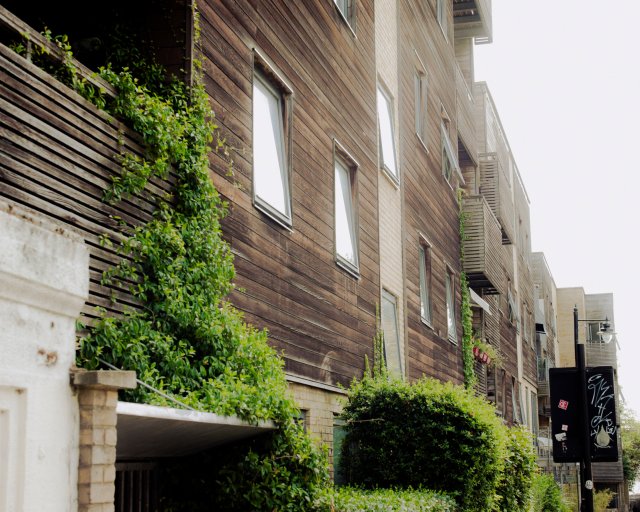 Caption: Paul Afshar, campaigner for End Our Cladding Scandal (EOCS). who???s flat in Hackney Wick has been affected by unsafe cladding which means that he is unable to sell the property.
General view of the unsafe timber cladding.
Photographer: Charlie Forgham-Bailey
Provider: Charlie Forgham-Bailey
Source: Charlie Forgham-Bailey
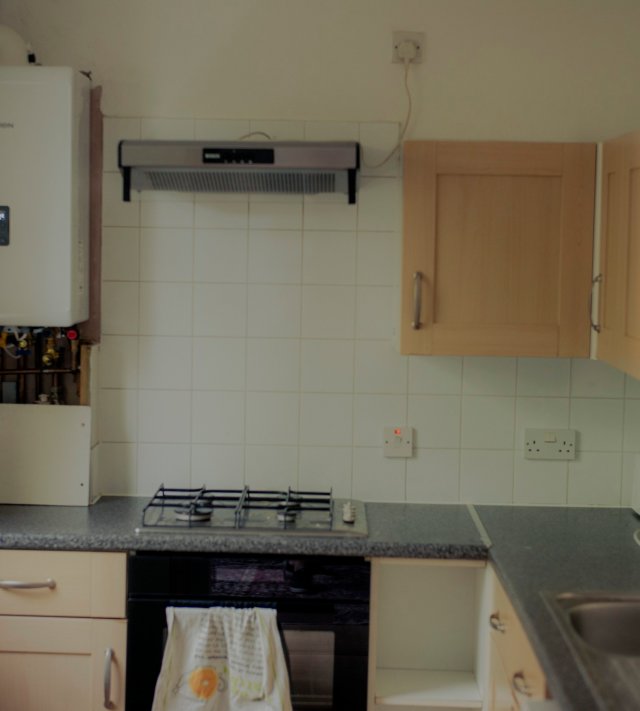 Caption: Paul Afshar, campaigner for End Our Cladding Scandal (EOCS). who???s flat in Hackney Wick has been affected by unsafe cladding which means that he is unable to sell the property.
Photographed inside his flat.
Photographer: Charlie Forgham-Bailey
Provider: Charlie Forgham-Bailey
Source: Charlie Forgham-Bailey
Property expert Crystal Olenbush says selling is the biggest issue. “You’ve got to figure out how to divvy any equity, then you need to find someone to take over the side of the seller’s portion of the mortgage. There’s a whole legal process to transfer that shared ownership stake. If anyone tries to skip steps, it creates huge problems.”
 Paul Afshar is struggling to sell his shared ownership flat in Hackney Wick
(Photo: Charlie Forgham-Bailey)
The takeaway
I got into something I didn’t fully understand. I was sold a dream of homeownership and it’s come back to bite me years later. It’s heartbreaking.
Looking back Afshar wishes he’d have looked into the service charge, mortgage rate and selling protocols sooner.
Thinking of getting
a divorce?
It’s not always the solution, says psychotherapist and author Philippa Perry, who has been married for 32 years.
Here are the five things she recommends asking yourself before dishing
out the divorce papers.

The questions you should ask
Is it a you problem?
 Couple, talk and arguing with fight at house for disagreement, conflict and divorce discussion. Woman, explain and bored man for conversation, toxic relationship and drama and marriage fail in lounge – stock photo. (Photo: Getty)
It’s not a good idea to get divorced when you’re just depressed and stressed. You’re naturally irritated by everything and everybody. It’s too easy to take that out on your partner and think they’re the problem.

OPINION
2 min read
 (Photo: Kawee Srital-on/Getty).
Are you telling
yourself a story?
We cherry-pick the evidence against our partner until we’re so set on them being the enemy…
It feels almost like tying up loose ends. But it won’t really solve the problem. It just makes it much worse. It’s okay to be wrong. Good relationships are full of ruptures and repairs.
The questions you should ask
It is a mixmatch of
conflict styles?
When we’re under stress, we have our preferred way of coping.
You want a partner who’s on the same page as you, so that you have moments of connection.
Some people think a lot, other people want to go straight to action.
If you’re a thinker, and you’re married to a do-er, it’s important to remind them that they don’t have to fix every problem. If you are a doer, you have to say something like, explain your process and thoughts a little more.
Do you believe the
grass is greener?
If this is you, do some serious therapy on yourself. What gets in the way of a good relationship is thinking that the grass is greener and therefore having a lack of commitment. This is why we have marriage because you make a commitment.
PHILIPPA PERRY, AUTHOR OF BEST-SELLING BOOKS ON PARENTING AND RELATIONSHIPS

Do you have moments
of inclusion?
 Son’t assume your partner knows how you think (Photo: ljubaphoto/Getty/E+)
Moments of inclusion are the ones when you both feel like you’ve both clicked, and really get on.
If these moments are missing, we need to leave more space for them.
Also treat love as an action, not a feeling. Ask yourself, what can I do for my partner today?

LIFESTYLE
5 min read

FOOD AND DRINK
The UPFs the
health experts eat
In the UK, 50 per cent of our daily energy comes from ultra-processed sources, rather than fresh, minimally processed food.
This has been blamed as one of the reasons for the nation’s poor health and high rates of obesity. While all UPFs get a bad reputation, there are some that are better than others.
We asked the health experts which UPFs they include in their diets.
The UPFs the health experts buy
Sausages
Dietitian Aisling Pigott has sausages once a week, choosing the vegan or high-meat versions.
Orange squash
Priya Tew buys no-added sugar squash to help her children drink more water.

Lentil crisps
Nutritionist Jenna Hope has these as an alternative to regular crisps.
The UPFs the health experts buy
Baked beans
Dr Linia Patel, a dietitian and performance nutritionist, enjoys baked beans. She eats them on a jacket potato with cheese and a side salad as a quick, filling and nutrient dense meal.
 Squirts of ketchup up the sugar in his diet (Richard Heathcote/Getty Images)
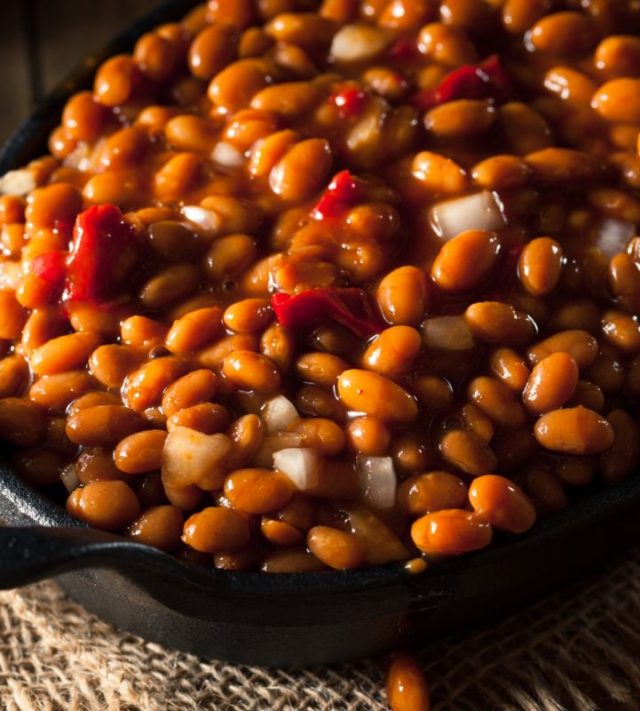 Caption: Homemade Barbecue Baked Beans in a Black Skillet
Photographer: Dragos Rusu / 500px
Provider: Getty Images/500px
Source: 500px
Ketchup
Gut health nutritionist Yalda Alaoui, who follows a mostly anti-inflammatory diet, has ketchup as small amounts do not impact her blood glucose levels.
Other UPFs that health experts put in their shopping basket
 Some people can be concerned about a sugar rush (Photo: Elizabeth Perez Holowaty/Getty)
Haribo sweets for their children
so they can learn to self-regulate with food.
 It’s estimated ultra processed foods make up at least half of the average UK diet (Photo: Getty)
Emergency cereal bars when homemade flapjacks run out.
 Sriracha chilli sauce on the production line (David McNew/Getty Images)
Hot sauce and mayonnaise
 Caption: Oakland, CA – December 02, 2016: Grocery store shelf with jars of Marmite brand Yeast Extract. A by-product of beer brewing, enjoyed at any time on toast for breakfast, in sandwiches at lunchtime; Shutterstock ID 545767972; Purchase Order: –
Photographer: Sheila Fitzgerald
Provider: Shutterstock / Sheila Fitzgerald
Source: Shutterstock
Marmite as a source of vitamin
B12 and potassium.
 Photographer: Aleksandr Zubkov
Provider: Getty Images
Source: Moment RF
Almond milk in morning drinks, fortified with vitamin D.
How to find balance
My mantra with UPFs is ‘reduce but not restrict’. I don’t think we need to cut them out but it’s a good idea to assess how much you eat. If some are [things] you especially love, then cutting them out can lead to you craving them more.
Priya Tew, registered dietitian specialising in eating disorders

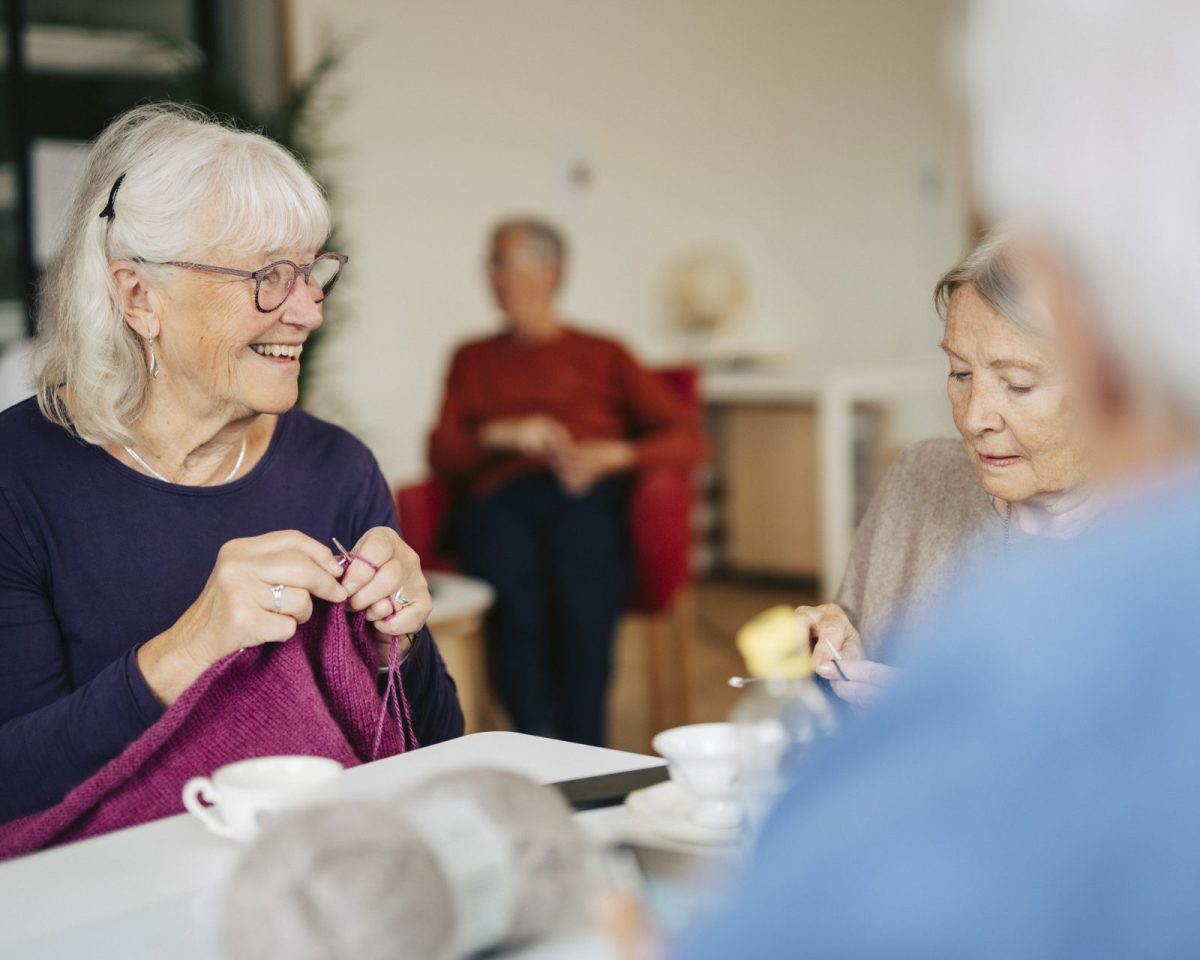 Senior female friends spending leisure time knitting while sitting at table in retirement home – stock photo. (Photo: Getty)
How can people give themselves the best chance of a good retirement?
Are retirees in the UK happy?
What the statistics say
47%
Almost half of studies into the impact of retirement on people’s mental health report a negative impact on life satisfaction.
72%
According to the latest Office for National Statistics (ONS) figures, among those aged 50-59 who have left the workforce, 72 per cent would consider returning to work, often citing a need for financial security and purpose.
Nearly a third (32 per cent) of 50-70 year-olds retired earlier than they hoped.
Volunteering
73-year-old Martin Delgado, who retired from his role as a journalist, enrolled as a volunteer with the NHS 10 years ago.
He attends seminars, goes on training courses and works with psychiatric patients at an NHS mental health trust in London.
(As well as looking after his grandson).

Big Read
9 min read
Martin’s other tips for retirement
 Elderly couple taking selfie while hiking together in autumn mountains. – stock photo. (Photo: Getty)
Have hobbies
He often goes on bike rides, hikes, solo camping trips and finds time to read.
Exercise
He runs two or three mornings a week and when it becomes too much is planning to take up swimming or cycling.
 Find the best shoes for you (Photo: Xavier Lorenzo/Getty/Moment RF)
Spend time with family
“I spend as much time with our grandson as I can. Having him around has had a huge emotional impact.”
It doesn’t have to be all or nothing
For Toni Del Mar, 75, one of the things that has made her retirement a happy one is spending more spontaneous time with friends in her Devon village.

But she hasn’t given up everything completely. Mar runs her home as a B&B which she cleans and prepares for guests.
It provides her with purpose and help
paying the bills.

If you’re struggling, there’s hope
Retirement was the biggest challenge of my life.
Simon McEwan, who had a 43-year career in journalism, felt lost without structure and routine. He wishes he’d have phased work out slowly.
Now he’s built a new routine including exercise, mindfulness, meditation and joined a mental health walking group.
How to stay connected
1Plan in advance – join community groups or take up new hobbies that can bridge the initial gap when work stops.
2 Enjoy the arts – creativity can provide a new sense of purpose and organic opportunities for new bonds.
3Maximise fulfillment – identify activities that you enjoy, and take time to build up interest.
4Balance your activities – mix ones for enjoyment with ones that help others. For example, volunteering at local community groups.
The mistakes parents make at home
Baby-proofing professionals like Al Kola from Baby Safe Steps say there are several mistakes he often sees that are actually more harmful than helpful.
He shares the most common ones.
Accidents in the UK
Unintentional injuries in and around the home are a leading cause of preventable death for children under five years.
67,000
Every year, more than 67,000 children experience an accident in the kitchen, says the Royal Society for the Prevention of Accidents.
58,000
58,000 children have accidents on the stairs, often where the most serious incidents occur.
The mistakes parents make
The wrong gate
Pressure gates – gates with a bar along the bottom to keep them fixed in place – shouldn’t be on the stairs as the bar is a trip hazard. You can end up flying down the stairs with your baby.
 Young Asian mother enjoying family time with her toddler in nature – stock photo. (Photo: Getty)
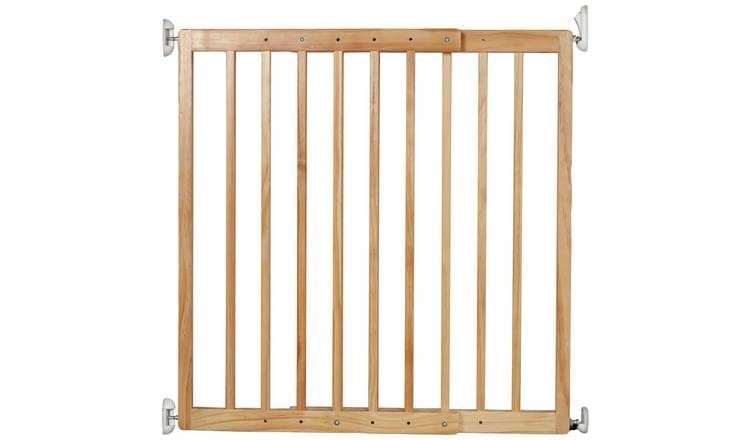 The Cuggle Extending wooden gate failed some of the tests (Photo: Argos)
Not securing furniture
Parents tend to assume that kids won’t do XYZ. For example, we might assume they won’t pull on drawers, but they can, and it’s a threat that can land on them.
What to do
 Father with baby on hands standing near window at home. – stock photo. (Photo: Getty)
Don’t leave windows ajar
The window could be pushed open the rest of the way by a toddler of about two years old.
Hide cords
Cameras next to a cot are often on a wire, which means that a child could grab it, take it into their cot and get entangled.
 The Government may eventually have to scrap the triple lock (jacquesdurocher/Getty Images/iStockphoto)
Lock cupboards
Lock cupboards where you keep cleaning products, batteries, medicine, glassware and potentially tools.
Other things to note
You don’t need to overprepare. If you put edge protectors everywhere, then that child is not going to know what pain is. When they go anywhere else like nursery and do get hurt because they don’t understand it.
 Caption: Mother guiding her young daughter to school up the stairs, symbolizing back to school season and family bonding.
Photographer: FreshSplash
Provider: Getty Images
Source: E+
 Asian small toddler child is riding a toy car when he falls on the floor, leading to cries and shouts. The unhappy boy, playing with his toy car in the living room daylight, sheds tears – stock photo. (Photo: Getty)
The only baby gate brand Al Kola trusts is Baby Dan. “We use them for a few reasons: firstly, safety, secondly, practicality, and then thirdly, they look good. They are the only brand that currently ticks those boxes for most scenarios.”
The picture for 2026 – low growth or falls
Expert predictions for 2026 house prices broadly suggests they could fall – or grow by only tiny amounts.
The current level of inflation, measured by the consumer prices index (CPI), is 2.8 per cent, meaning that annually, the prices of goods and services rose by that amount in the past year.
But all the major forecasters that The i Paper spoke to expect less dramatic growth for the housing market.
Among those predicting rises is estate agency Hamptons – which forecasts 2.5 per cent growth across the year – although it hasn’t updated its official projections since mortgages started to rise in price in March.
Research director Aneisha Beveridge told The i Paper: “The direction of travel has become a little more uncertain.
“The recent uptick in mortgage rates, driven in part by global volatility following the war in the Middle East, has introduced some additional downside risk to house price growth this year.”
Since the start of the war in the Middle East, mortgage rates have shot up above 5.5 per cent on average, according to analytics firm Moneyfacts.
As of now, a two-year fixed-rate mortgage is 5.65 per cent whilst the five year mortgage is 5.61 per cent.
Beveridge added that despite mortgage rises, she did not expect price falls on average.
“We’ve been here before in terms of mortgage rates and don’t expect to see widespread house price falls across the country. The market has proved relatively resilient to higher rates over the past couple of years, with activity increasingly driven by needs-based buyers rather than discretionary moves,” she said.
However, other forecasters do expect to see a drop in prices.
Lucian Cook, director of residential research at estate agency Savills, said: “Despite a robust start to the year for both price growth and activity, the rise in mortgage rates since late February has downgraded the short-term outlook. Higher borrowing costs and weaker sentiment will weigh on demand through the remainder of 2026.
“At the same time, lower demand is being set against elevated levels of stock – partially from landlords selling up in the face of greater regulation, which will place downward pressure on prices, particularly across submarkets in London and the South East.”
Full forecasts for 2026 from multiple experts can be seen below.
What could happen to prices in 2027
Forecasters have tended to be more positive about the outlook for growth next year.
Broadly, forecasters expect interest rates to start to fall from their current rate of 3.75 per cent in 2027, providing that the war in the Middle East begins to ease. This would then lead to mortgage rates reducing.
Pantheon Macroeconomics for example is forecasting a 3 per cent rise in house prices next year.
“The housing market has proved remarkably resilient to persistently higher interest
rates than before Covid, and has weathered a barrage of hits in recent years.
“Unemployment remains low, even if it has risen in the past couple of years. But house price inflation will remain sluggish until the [Bank of England] cuts rates in 2027,” explains Robert Wood, chief UK economist at Pantheon Macroeconomics.
Forecasters have however warned that predictions for the future are very uncertain.
Much depends on what happens in the Middle East, and how the UK government responds.
Tom Bill of Knight Frank, which is also currently predicting 3 per cent growth next year, says this is particularly hard to forecast at the moment because of the uncertainty over who will be UK Prime Minister later this year.
“Another longer-term risk is how the government responds to the economic shock, including the prospect of tax speculation ahead of the autumn Budget. This year, there is the added uncertainty of whether Rachel Reeves and Keir Starmer will be in Downing Street after the summer,” he said.
“Making predictions at the moment comes with a particularly long list of caveats,” he added.