
The decisions follow consideration by the Scottish Medicines Consortium (SMC).
Among the new treatments is talquetamab, a bispecific antibody now available for certain adults with advanced myeloma, a form of blood cancer affecting the bone marrow.
Gabrielle King, senior policy officer at Myeloma UK, said: “This is fantastic news and we know it will make a huge difference to people with myeloma in Scotland.
“Talquetamab targets myeloma in a completely different way to currently available treatments.
“It is also more flexible, which means less time spent in hospital for patients and their families, and a better quality of life.”
Myeloma UK estimates that around 50 patients who have exhausted other treatment options could benefit from the drug.
Talquetamab works by helping the immune system identify and kill cancer cells through its ability to bind both to myeloma cells and T cells, a form of white blood cell.
By bringing these cells into close contact, the drug enables the immune system to target and destroy the cancer.
More than 35,000 people in the UK are living with myeloma, including 2,400 in Scotland.
Currently, just over half of patients survive five years or more.
Dr Rob Peel, chairman of the SMC, said: “Talquetamab may be a useful additional treatment option for some patients with advanced myeloma who have already received at least three previous treatments.”
Dr Gordon Marron, consultant haematologist at Ninewells Hospital in Dundee, described the drug as a major advance.
He said: “It represents a major advance in the treatment of relapsed myeloma for patients who previously would have had very few good options.
“Compared to existing treatments, it is highly effective and can offer durable disease control in those patients who respond.”
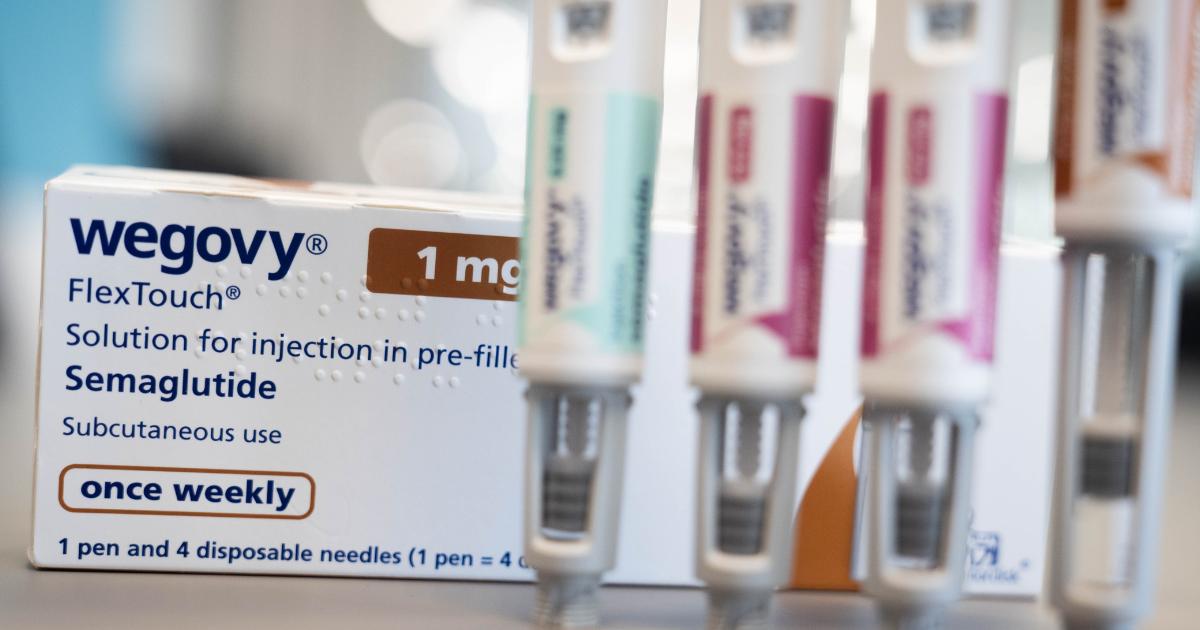
The SMC also approved the use of semaglutide, better known as Wegovy, on the NHS.
It will be used alongside diet and exercise to help reduce the risk of major cardiovascular events—such as heart attack or stroke—in overweight adults who already have cardiovascular disease.
Dr Peel said: “Semaglutide will provide a useful treatment option to help reduce major cardiovascular events in patients who are overweight and have cardiovascular disease.”
Nina Pinwill of Johnson and Johnson, which manufactures talquetamab, also welcomed the decision.
She said: “We are pleased to have brought this innovation with a distinct target to the multiple myeloma community and hope it translates into improved lives.”