
There’s a second warning that gets far less attention than the sugar question, but it matters just as much, possibly more, depending on where you’re buying from.
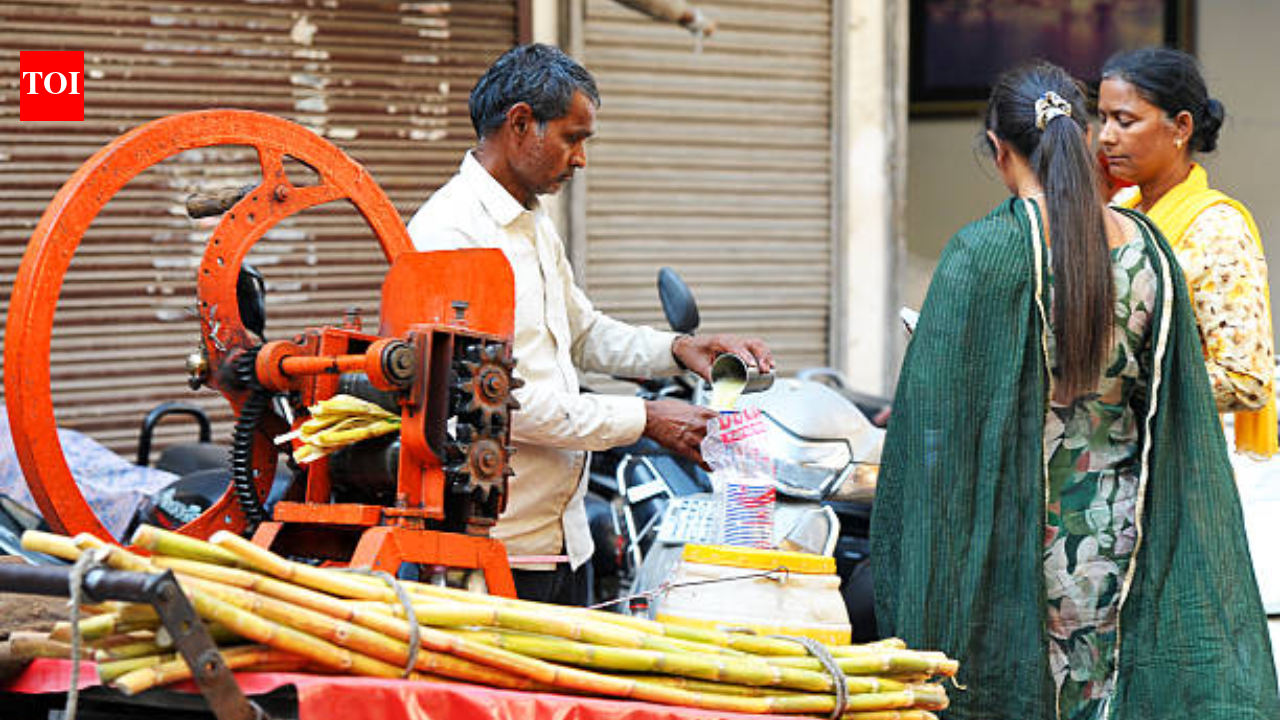
Sugarcane juice is prepared fresh, pressed at the point of sale, and served immediately. In a clean environment, with properly maintained equipment and fresh cane, this is fine. The problem is that not all vendors maintain those conditions consistently. Contamination from dirty machinery, water used to dilute the juice, or improperly stored ice can introduce bacteria that cause stomach infections. Ms. Archana is direct about the risk: “If the juice that vendors sell on the roadside is not prepared correctly, they may become contaminated. This could lead to stomach infections during the summer months.”
The solution isn’t necessarily to avoid sugarcane juice altogether, but to be selective about the source. A vendor with a consistently high turnover of fresh cane, visibly clean equipment, and a reputation in the area carries a different risk profile from a roadside stall where the machinery looks like it hasn’t been cleaned since the previous summer.